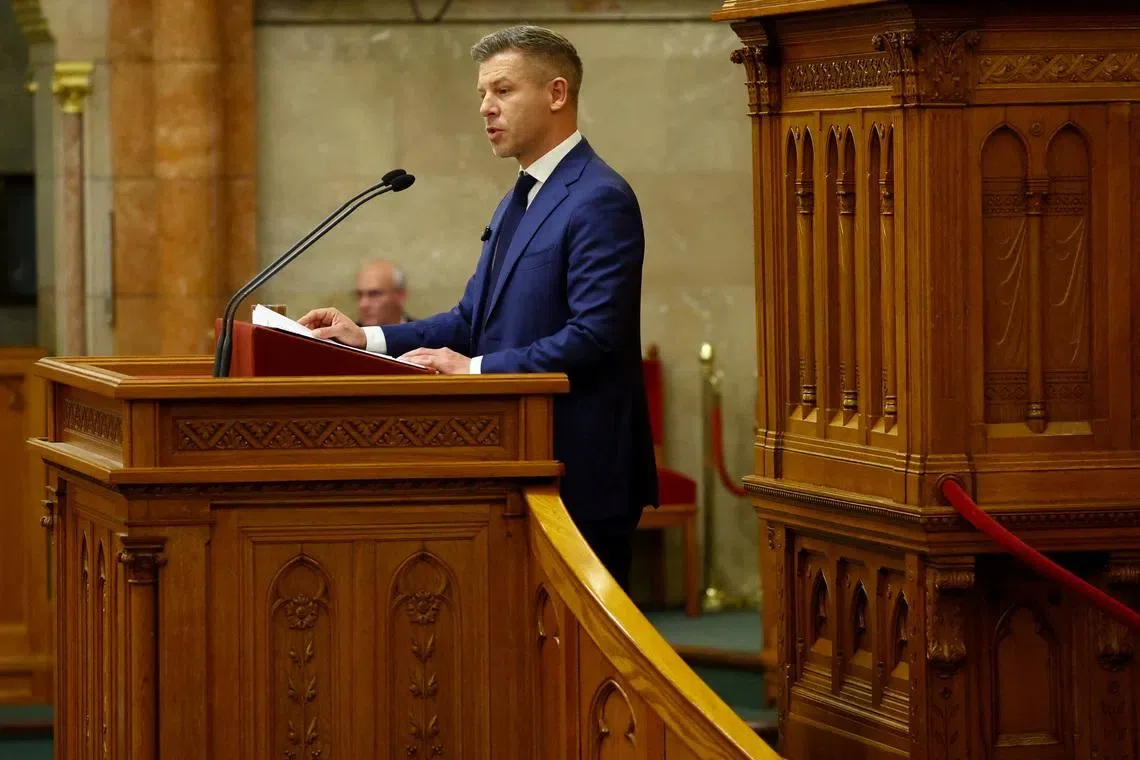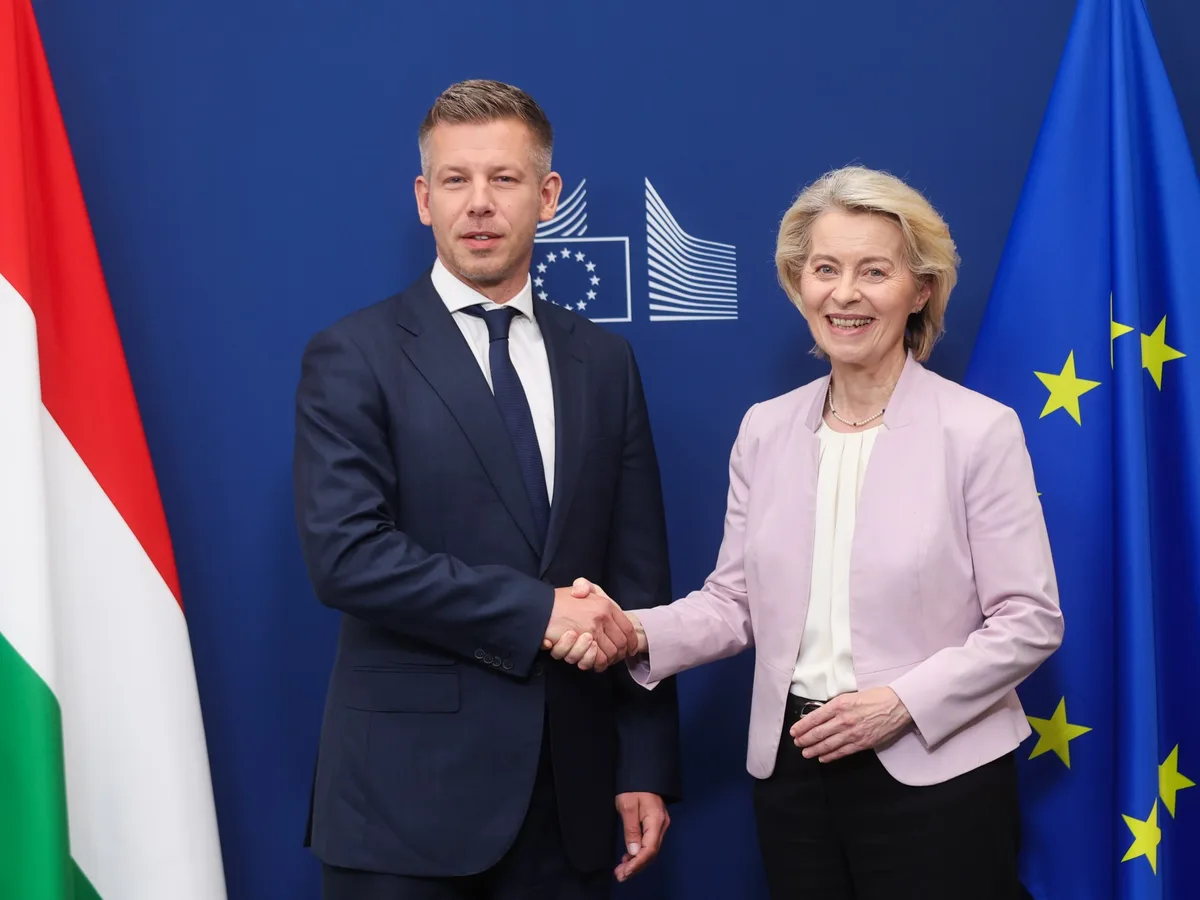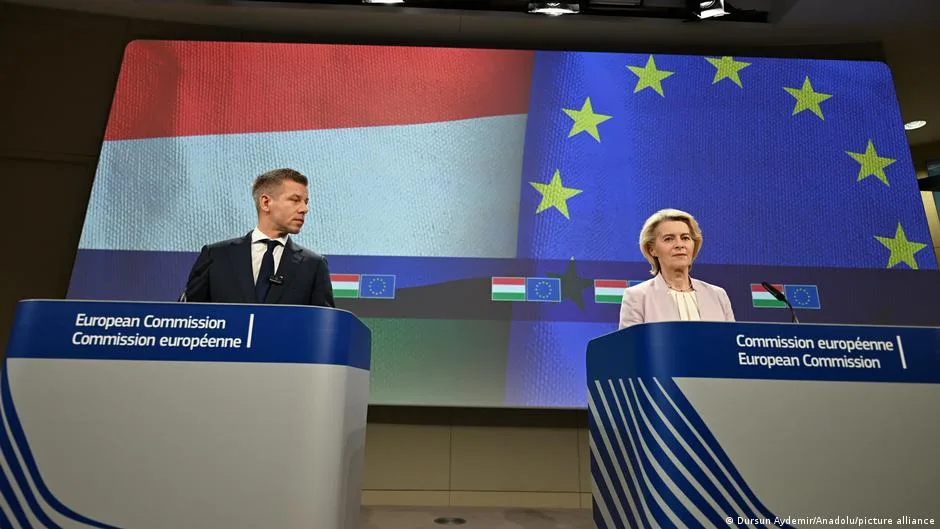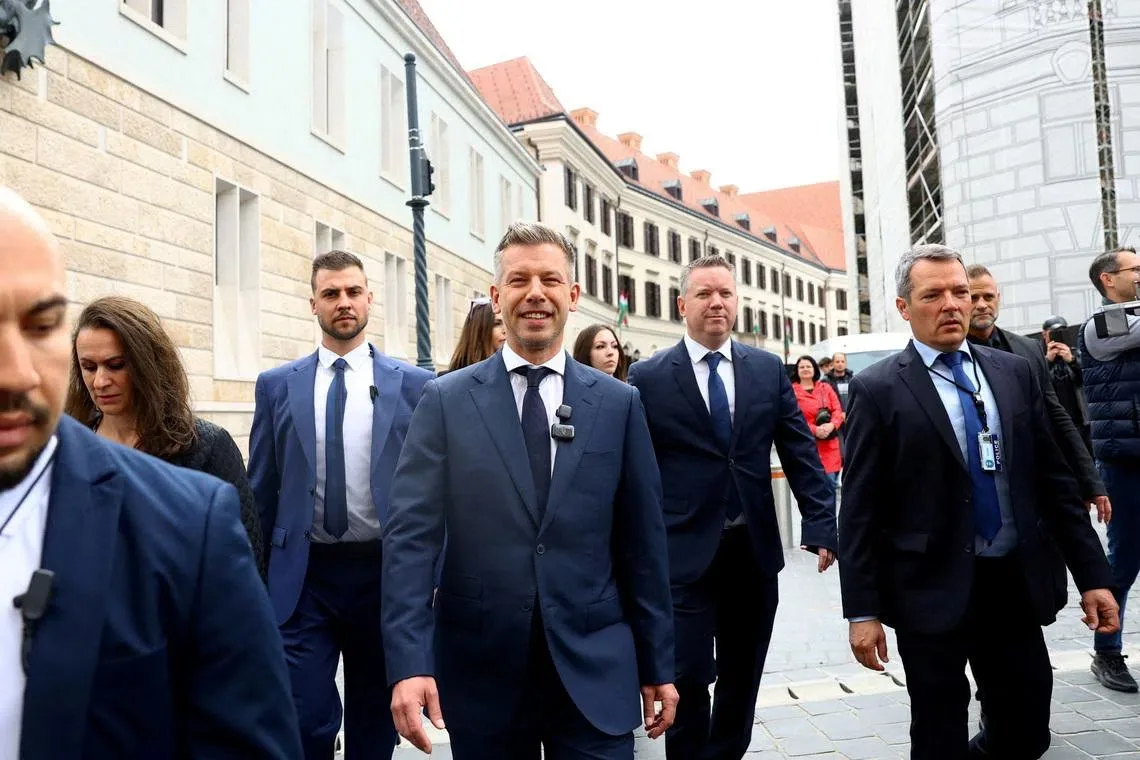
The European Union agreed on May 29, 2026, to unlock approximately €16.4 billion ($19 billion) in previously frozen funds for Hungary following progress on reforms under newly elected Prime Minister Peter Magyar [1, 2, 3, 4, 5, 6]. The package includes €10 billion from the EU’s Covid recovery fund (Next Generation EU), €4.2 billion in cohesion funds, and an additional €2.2 billion tied to future reform milestones [1, 3, 4].
Magyar, who defeated long-serving Prime Minister Viktor Orban in April 2026 elections, pledged to secure EU funding and implement wide-ranging reforms [1, 2, 3, 4, 5, 6]. The funds had been frozen under Orban due to EU concerns about rule of law breaches, corruption, democratic backsliding, and LGBTQ rights issues [7, 1, 2, 3, 4, 5, 6]. Magyar called the unlocking a “historic breakthrough” and said, “We will bring this money home, as we promised, to rebuild Hungary, to jump-start the economy, to restore and develop public services, and to strengthen the competitiveness of Hungarian companies and small and medium-sized enterprises” [1, 2, 3, 4, 5, 6].
The funds represent around 13% of Hungary’s national budget and will help ease a severely stretched state budget amid a stagnant economy over the last three years [3, 5, 6, 7, 8, 1, 2, 3]. EU Commission President Ursula von der Leyen praised the outcome, saying, “That is quite a sum, but ... the Hungarian people deserve it” and noted, “We can already feel a strong wind of change across Hungary. In only a few weeks, you have driven forward long overdue reforms” [1, 2].
Under the agreement, Hungary must complete reforms and submit plans to unlock €6.5 billion in grants and €3.9 billion in loans from the recovery fund by August 31, 2026 [7, 9, 3, 4]. The reforms include joining the European Public Prosecutor’s Office, revising public procurement laws, strengthening anti-corruption measures, and withdrawing plans to leave the International Criminal Court [7, 9, 3, 4, 5, 6]. Negotiations between Hungary and the European Commission lasted several weeks, with some proposed pension and tax reforms dropped over feasibility concerns [9]. Disbursement of funds depends on Hungary meeting binding conditions or “super milestones” set by the EU [9].
The Hungarian police recently announced they will not ban the Budapest Pride parade scheduled for June 2026, reversing a ban imposed during Orban’s government [3, 5, 6]. Magyar also criticized the previous government, saying, “They have been lying to the Hungarian people. They have been lying about the European Union” [4].
Hungary’s previous government had blocked EU talks on Ukraine accession, which was not addressed in the funding deal and remains unresolved [7, 9]. Hungary’s economy faces a budget deficit projected at 6.2% of GDP for 2026 [1, 2, 3]. The next key deadline is August 31, by which Hungary must complete reforms and detailed plans to secure further EU recovery funds [7, 9, 3, 4].