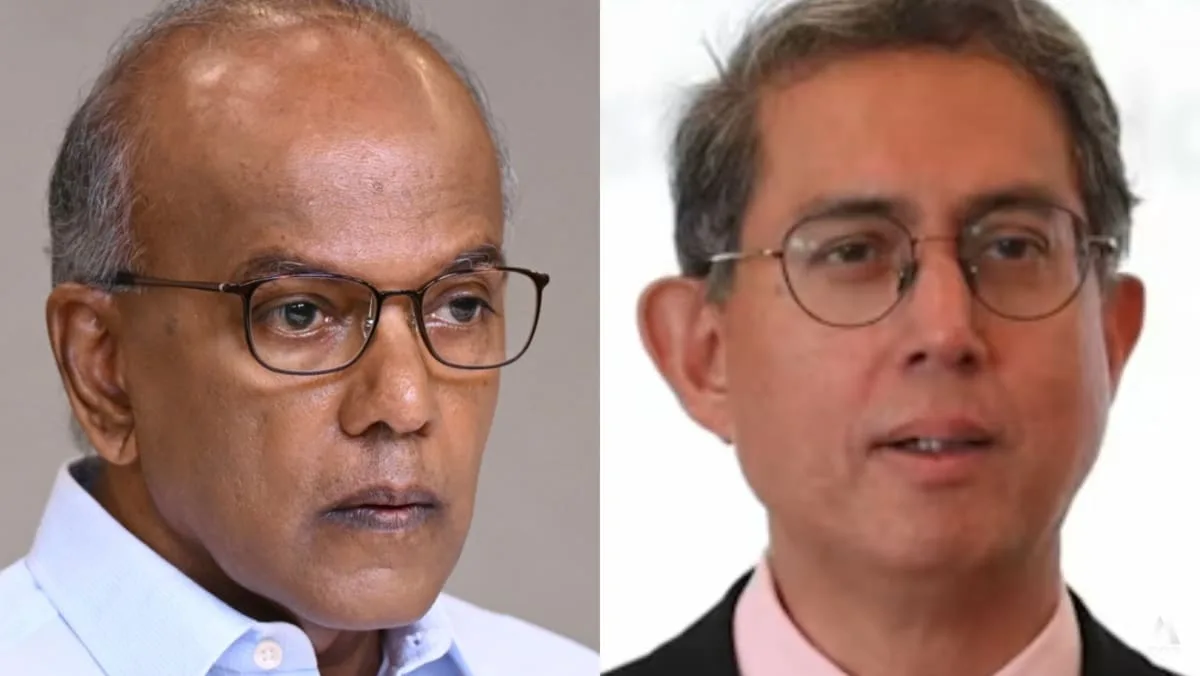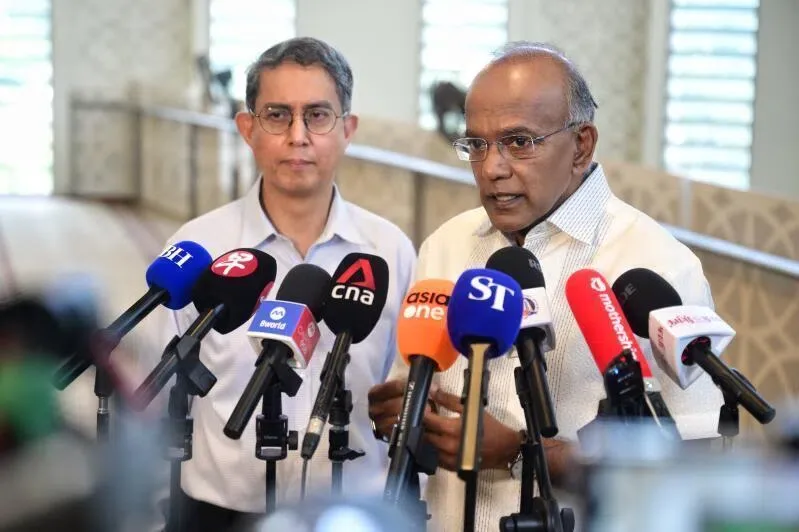
Associate Professor Faishal Ibrahim resigned from his roles as Member of Parliament and minister on July 20 after online exchanges with a woman were judged to fall short of the standards required of a political office holder [1, 2, 3, 4, 5, 6].
Minister for Home Affairs K. Shanmugam stated on July 22 that Faishal's messages were "objectively inappropriate and questionable," emphasizing the need to consider evidence and facts regardless of intent [1, 2, 3, 4, 5, 6]. He confirmed Faishal was given a fair hearing before his resignation was accepted [1, 2].
Prime Minister Lawrence Wong said most of the interactions were conducted via online messages, supplemented by meetings on the sidelines of public events [2, 3, 4, 5, 6]. Faishal explained he continued the online exchanges because he feared the woman might react negatively if he abruptly ended contact. The woman, however, interpreted his responses as engaging and felt encouraged to continue the dialogue [1, 2, 3, 4, 5, 6].
When Faishal eventually tried to stop communicating, the woman became angry and later emailed Prime Minister Wong with messages and pictures accusing Faishal of harassment [1, 2, 3, 4, 5, 6]. Faishal in turn alleged that the woman had harassed him, prompting a police investigation [2, 3, 4, 5, 6].
The incident ceased to be a private matter once the complaint was lodged against a public office holder [1, 2, 3, 4, 5, 6]. Following the investigation and the fair hearing process, Faishal concluded his position as an MP and minister had become untenable [2, 3, 4, 5, 6].
Standards cited for personal conduct referred to principles set by former Prime Minister Lee Kuan Yew and Senior Minister Lee Hsien Loong [1].
The government will continue to uphold expected ethical standards among public office holders as the police investigation into the matter proceeds.