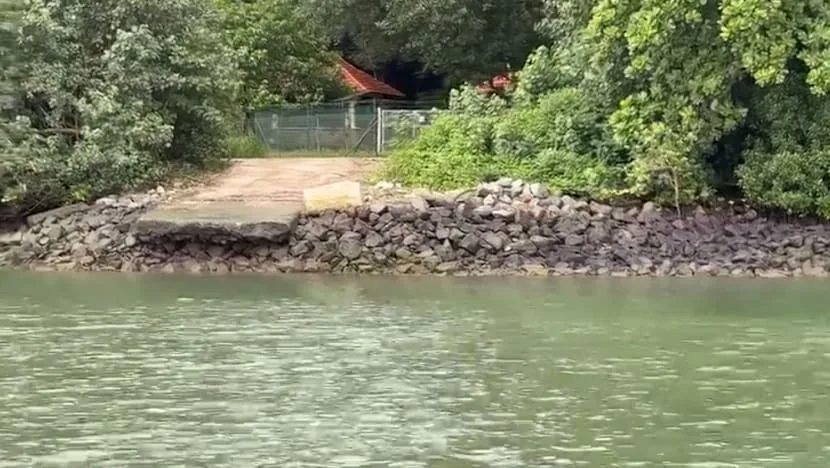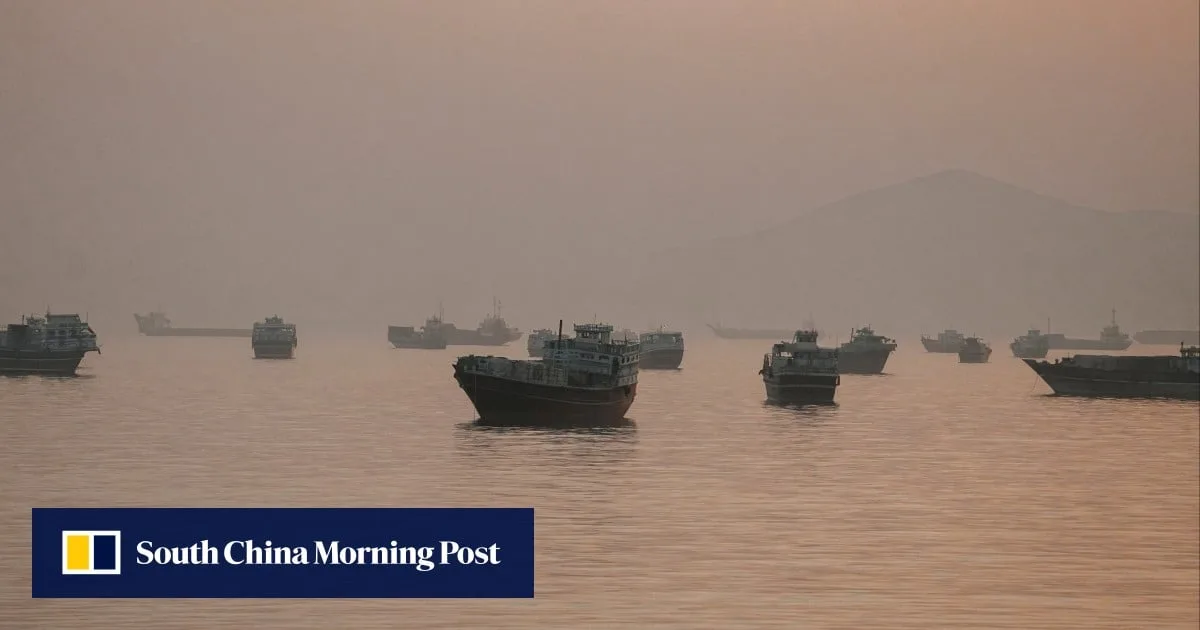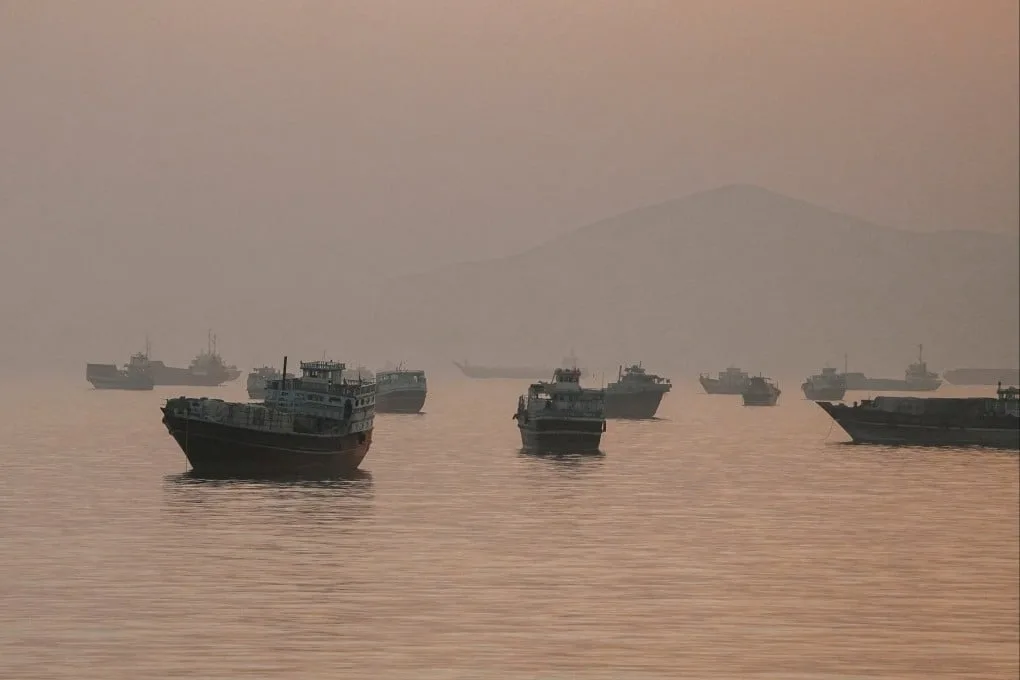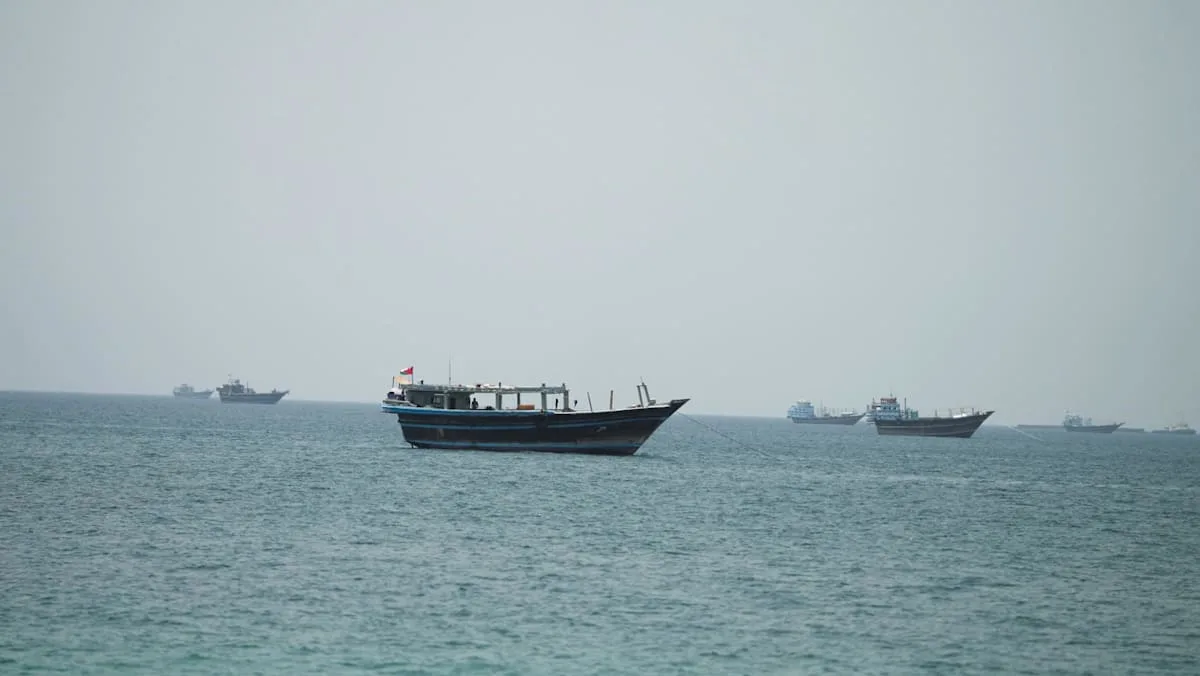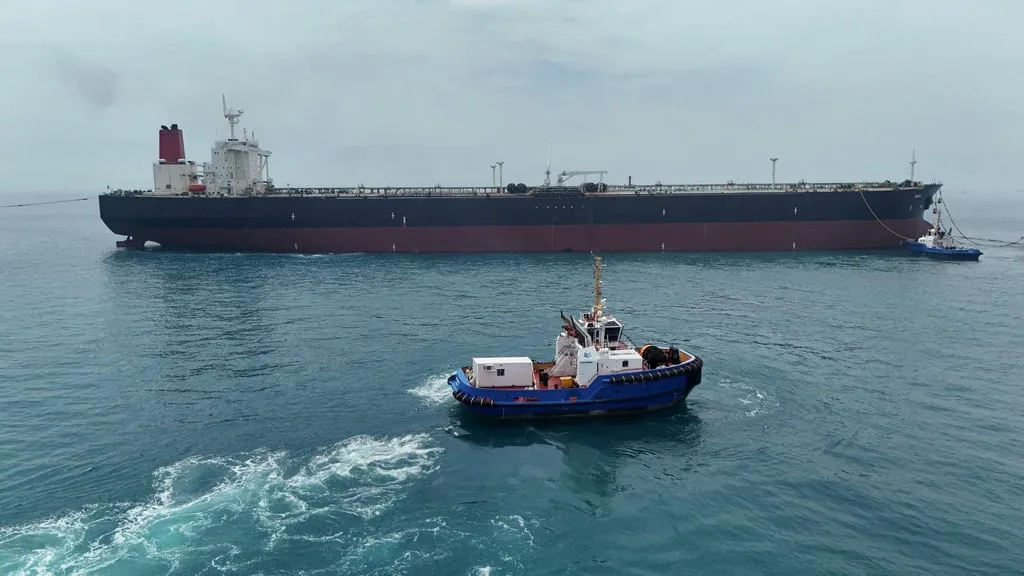
A foreign container ship ran aground in the Strait of Hormuz after entering shallow waters within Iranian territorial waters using a route not approved by Tehran, Iranian authorities reported [1, 2, 3, 4]. The ship, identified as ARISTA, has been stranded since mid-March 2026 north of Hormuz Island, Iran said in video footage released on July 1, 2026 [4].
Iran’s Revolutionary Guard has mandated that all vessels transiting the Strait must adhere to routes designated by Iran to ensure safe passage and security. Violators risk severe consequences, including accidents or military responses, Tehran warned [2, 5, 3, 4]. An Iranian military statement said, “Any deviation from approved routes or ignoring Iran’s navigation regulations in the Strait will be met with strong armed response endangering the violators” [5].
The grounded ship’s location lies within Iran’s claimed territorial waters and outside routes recommended by the United States [4]. Iran had previously attacked two ships moving through the Strait without permission, including one carrying Qatari oil [2].
Despite tensions, Iran and the United States signed a temporary 60-day agreement allowing ships free passage through the Strait without transit fees [1, 3]. However, military and diplomatic activity near the Strait remains high, driven by broader regional conflicts [1, 3].
In late June 2026, Iran’s military reiterated that any violations of navigation rules risked armed confrontation [5]. By early August, US Middle East envoy Steve Witkoff and Jared Kushner joined Iranian negotiator Kazem Gharibabadi in Doha, Qatar, for talks aimed at easing tensions and preventing escalation around the Strait [1].
US Vice President Pence criticized Iran’s negotiating positions as inconsistent, saying Tehran often denies or downplays agreements reached in talks, reflecting “a clear gap in communication” [4].
The next diplomatic rounds in Doha seek to stabilize the situation and clarify rules governing vessel movement through the strategically vital Strait of Hormuz, a crucial global oil transit chokepoint [1].