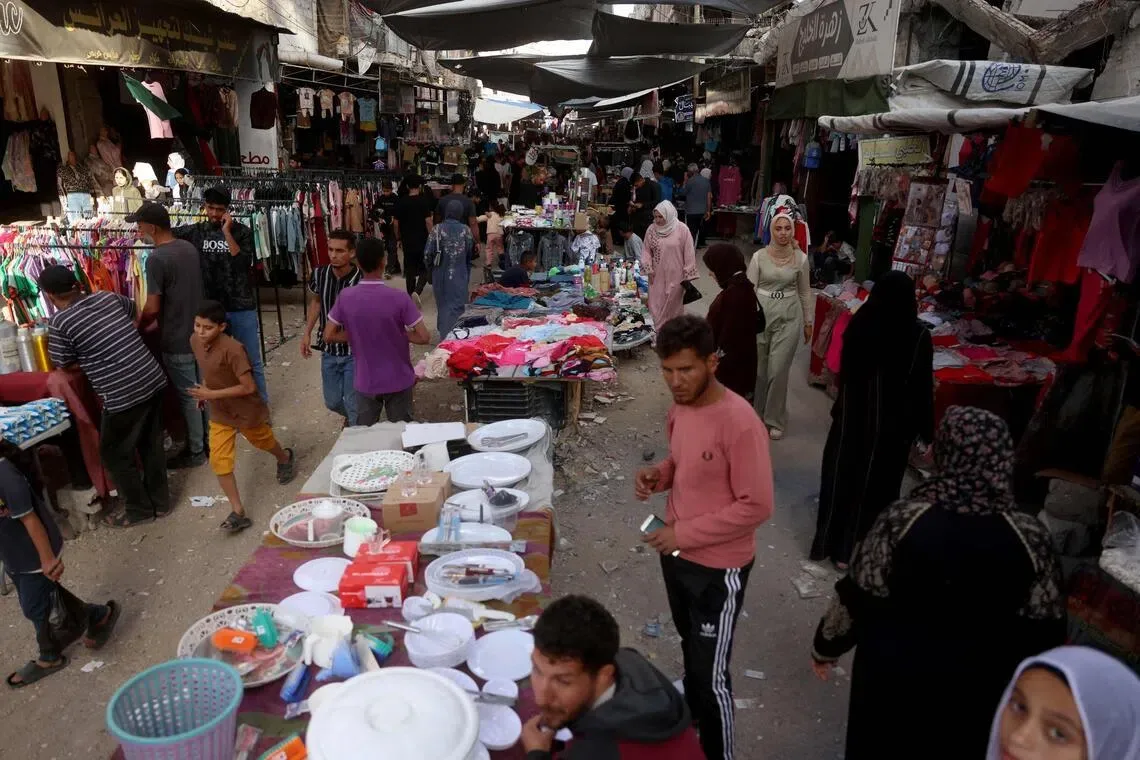
Many residents of Gaza cannot afford hallmark Eid al-Adha items, such as new clothes for children, sacrificial sheep, and traditional Eid biscuits, because of soaring prices and widespread shortages [1, 2, 3]. Nadia Abu Shamala, a Gaza resident, said she visits the market only to look around, adding, "I return heartbroken" after seeing prices well beyond her means [1]. She explained, "This year, Eid comes with none of the joy we once knew in Gaza because of the effects of the war, the soaring prices, and our inability to provide even the simplest needs for our children" [1].
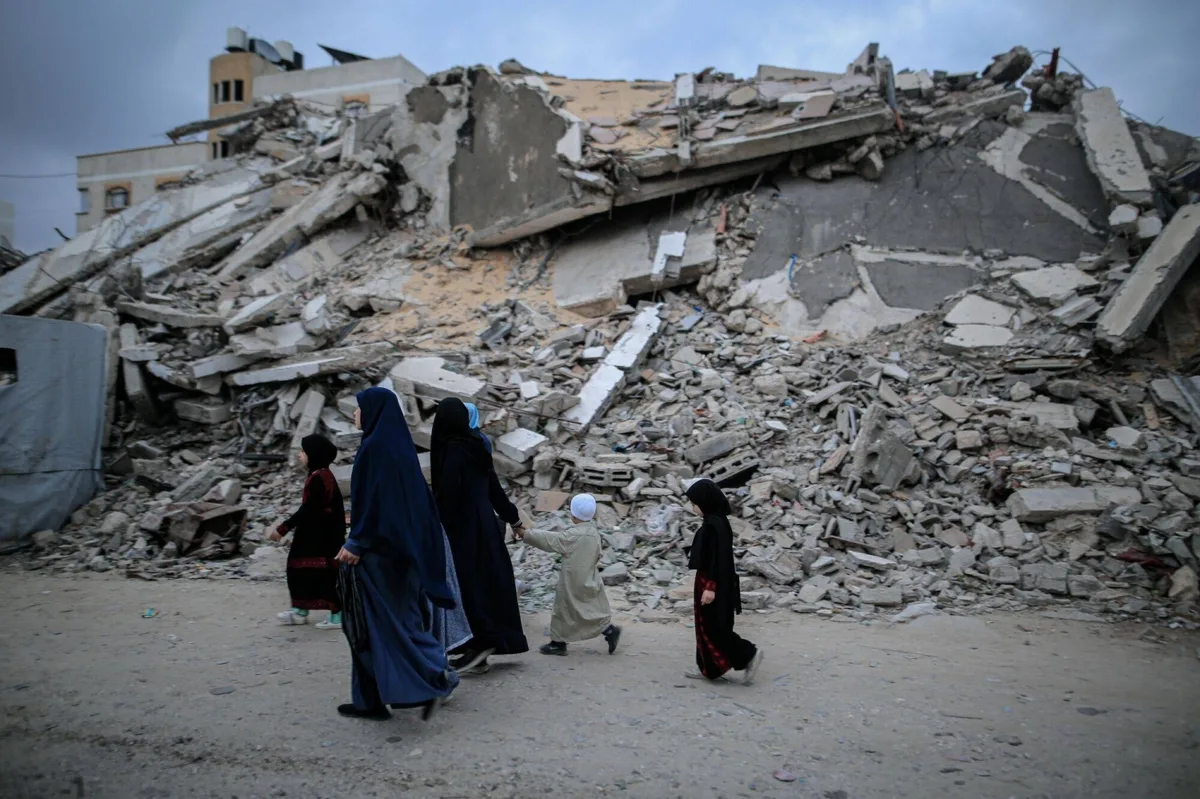
About 80 percent of buildings in Gaza were damaged during recent fighting, leaving most of the 2.1 million population dependent on aid for basic necessities [1, 2]. While a US-brokered ceasefire began in October 2025, Israeli air strikes remain common, complicating recovery efforts [1, 2]. Israel controls all Gaza's entry points and allows only limited foreign aid and private goods, insufficient to reduce prices or ease shortages [1, 2].
Livestock for sacrifice is also in short supply. Only about 15,000 sheep remain in Gaza, roughly one quarter of the pre-war population [1, 2]. One local, Abu Abdullah al-Mosadar, pooled 13,000 shekels (approximately S$5,850) with his brother to buy a sacrificial sheep this year—an amount few local families can afford [1, 2]. Mr. Mosadar said, "The truce is a big lie, but in any case, we are trying to create joy for the children." He added, "I know it is very expensive, but I decided to perform the sacrifice this year" [1]. He hopes to restart his construction and real estate business when conditions improve [1, 2].
The continuing conflict and damage have left Gaza's population reliant on aid amid high prices and shortages. The US-brokered ceasefire remains in place since October 2025, but challenges persist to normal life and commerce in the territory [1, 2].