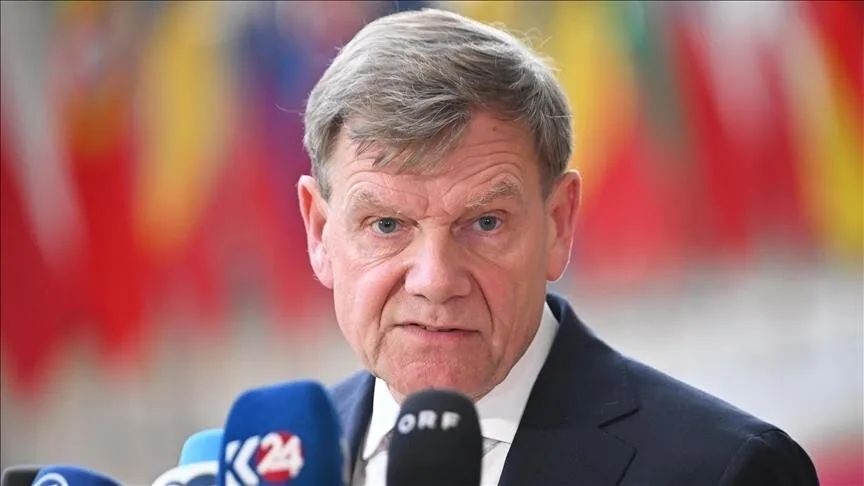
German Foreign Minister Johann Wadephul said Turkey holds significant influence over the conflicts in Ukraine and Iran due to its geographic location and political and economic weight. He stated, "Turkey has the potential to exert considerable influence on these trouble spots, not only because of its geographical proximity, but also because of its enormous political and economic significance" [1].
Wadephul called for expanding strategic cooperation between the European Union and Turkey on shared concerns, including security and defense. He emphasized that as a major NATO ally and key trade partner, Turkey should be fully integrated into the EU’s defense policy and industrial programs. Wadephul said, "We advocate for Türkiye — as a significant NATO ally and a key trading partner of the European Union — to be fully taken into account as the EU develops its defense policy as well as industrial-policy instruments" [2].
Germany also supports modernizing the existing EU-Turkey Customs Union to strengthen economic ties. The country has pledged to be positive toward Turkey’s progress in EU membership negotiations. Wadephul underscored that Germany will remain a "friendly and reliable partner" if Turkey seeks to join the EU, but noted Turkey must fulfill all political and economic criteria required by the bloc [1, 2].
On May 18, Wadephul met with Turkish Foreign Minister Hakan Fidan in Berlin. The two discussed enhancing EU-Turkey relations, economic cooperation, and security coordination under the Strategic Dialogue Mechanism [1, 2].
Germany’s stance comes amid ongoing challenges in EU-Turkey relations and reflects a push by Berlin to deepen ties based on mutual security interests and economic partnership.