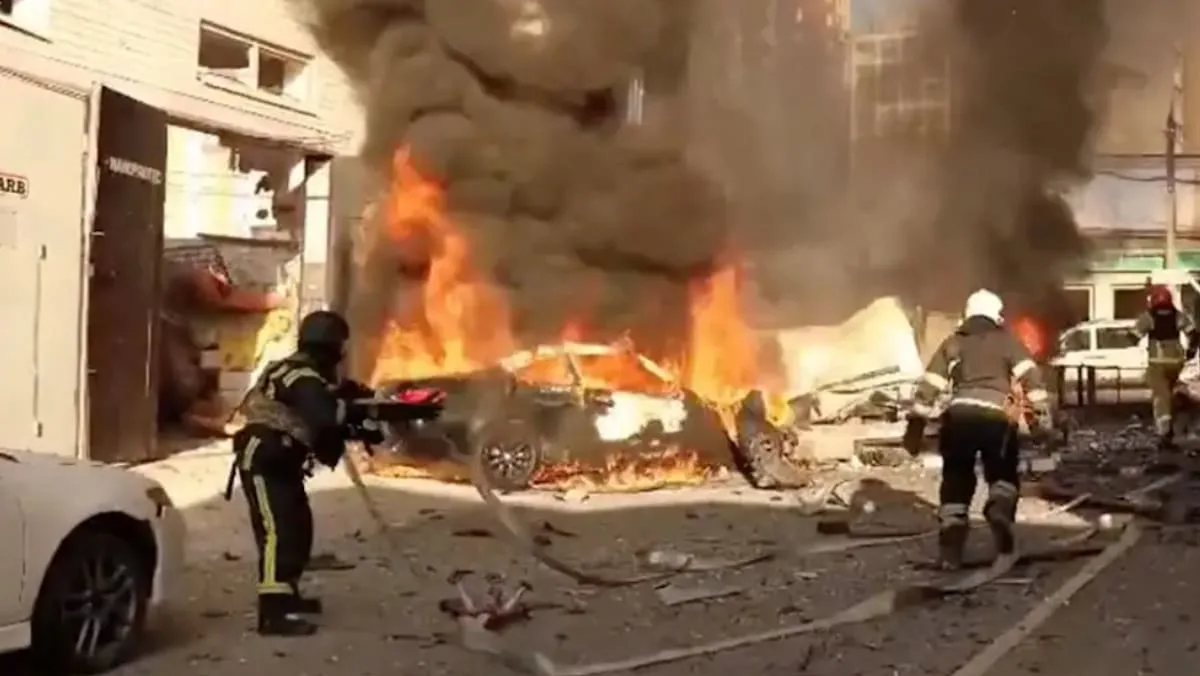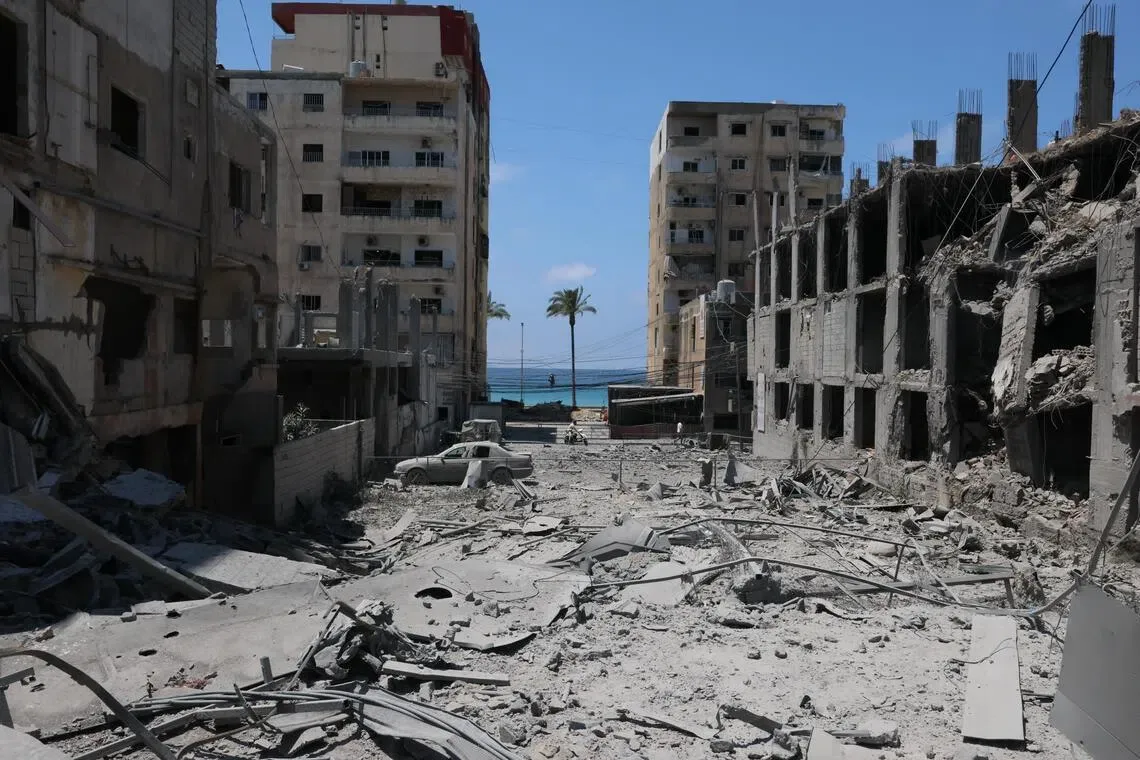
In 2025, there were 65 conflicts involving at least one state worldwide, the highest number recorded since 1946 [1, 2, 3]. The number of state-to-state conflicts doubled from four in 2024 to eight in 2025, marking the most intense level seen in 80 years [1, 2, 3]. These interstate conflicts included border clashes between India and Pakistan, Afghanistan and Pakistan, Cambodia and Thailand, the Russian invasion of Ukraine, and Israeli military operations against Syria [1, 2, 3].
Conflict-related deaths in 2025 reached approximately 245,000, making it the third deadliest year since the Cold War ended [1, 3]. Of these, nearly 76,500 deaths were civilians directly targeted by attacks, a sharp rise from 14,200 civilian deaths in 2024 [1, 3]. The surge in civilian casualties was primarily driven by intense fighting in Sudan, where the army and paramilitary groups fought amid a siege and massacre in El-Fasher, Darfur, resulting in an estimated 60,000 civilian deaths [1, 3].
Africa was the most affected continent, with 29 state-involved conflicts recorded, followed by Asia, the Middle East, the Americas, and Europe [1, 3]. Researcher Siri Aas Rustad described the 2025 statistics as "shocking," noting the world has faced multiple large-scale conflicts simultaneously over the past five to six years without respite. Rustad said, "Usually I’m able to sort of squeeze something positive out of it, but this year it’s shocking, the numbers" [1].
Rustad also characterized Israel as "one of the most aggressive countries currently," involved in conflicts in Gaza, Syria, Lebanon, against Iran, and with Houthi rebels [1, 3]. She attributed rising global violence and polarization partly to former U.S. President Trump's re-election, which she said "not only brought increased attacks and violence, but also trade barriers," contributing to dysfunction in the U.N. Security Council and a more polarized world [3].
The 2025 death toll remains surpassed only by 1994, with the Rwanda genocide, and 2021 during the Tigray War in Ethiopia [1, 3]. The spike in global conflict levels and casualties underscore ongoing instability around the world.
Conflict tracking organizations plan to release updated reports during the second half of 2026, with analysts expecting detailed data on ongoing conflicts and humanitarian impacts.