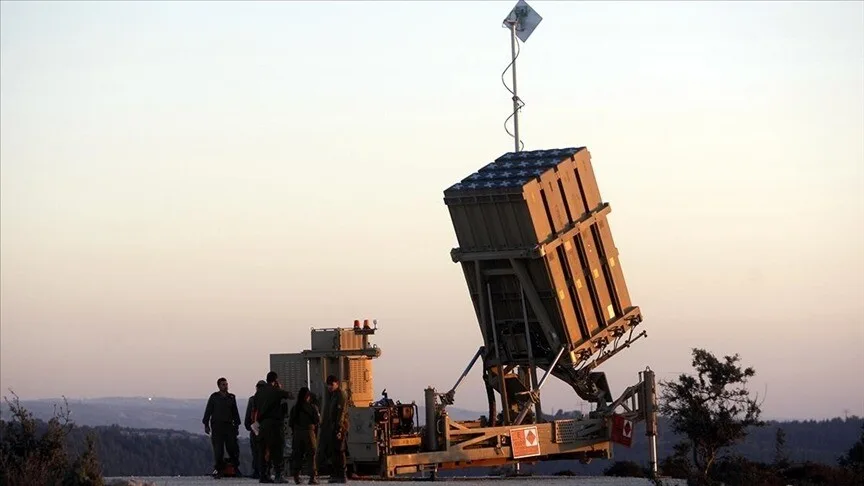
Greece’s Government Council for Foreign Affairs and Defence (KYSEA) approved the Achilles Shield multi-layer air defence system from Israel on July 23, 2026 [1]. The defence package is worth roughly €4.2 billion ($4.8 billion), with about €3 billion to €3.5 billion allocated specifically for the Israeli air defence core system [1, 2, 3].
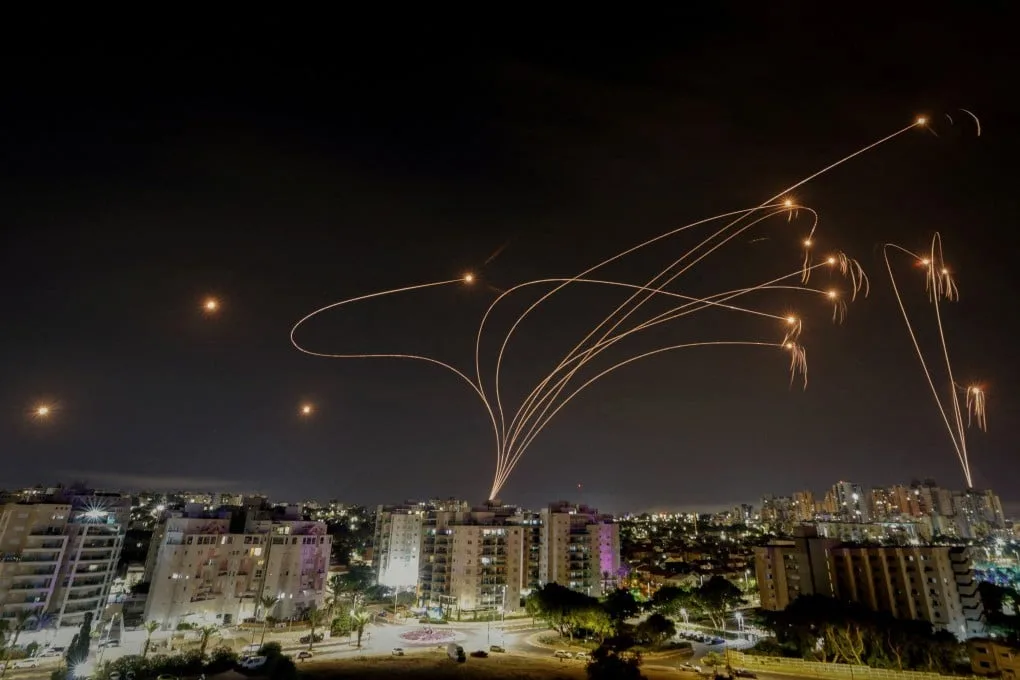
Achilles Shield integrates Israeli radar and missile technologies including Spyder (All In One), Barak MX, and David’s Sling, while upgrading Greek counter-drone capabilities [1, 3]. The system complements existing Greek airspace defence assets, which currently include U.S. Patriot and Russian S-300 missile batteries [1].
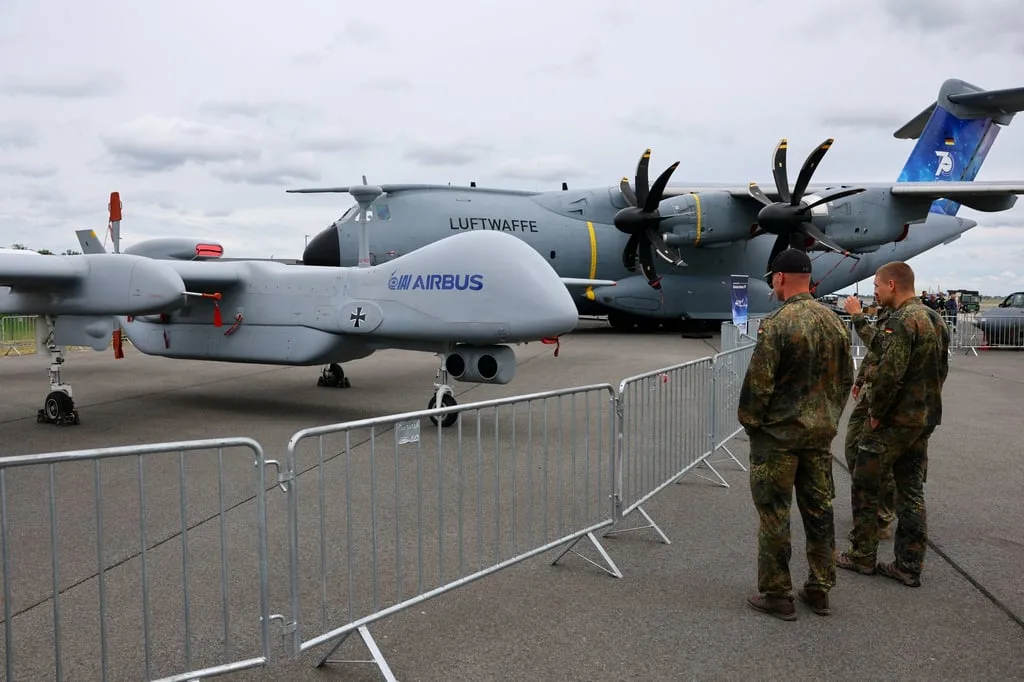
The broader defence package includes purchases of Israeli Heron drones, American Apache missiles, British Victa stealth watercraft, Embraer C-390 transport aircraft, Hellfire missiles, V-BAT drones, and sonar systems for frigates, among other equipment [2, 3]. Greek defence companies will support the project with over €700 million in domestic industrial work [2, 3].
Greece plans to deliver the Achilles Shield system within about 35 months of contract signing [3]. This deal forms part of Greece’s larger €28 billion armed forces modernization plan through 2036, which includes buying up to 40 U.S. F-35 fighter jets and new frigates [1].
Defence Minister Nikos Dendias said the approval marked a milestone: "Greece has entered a new era, a new reality" [2]. The package was publicly announced on July 24 after KYSEA’s final approval the day before [1, 3].
The exact value of the Israeli air defence system component is reported between €3 billion and €3.5 billion, reflecting some minor source variation [1, 2, 3].
Greece moves now to finalize contracts and commence execution, aiming to strengthen its air defence capabilities amid regional security challenges.