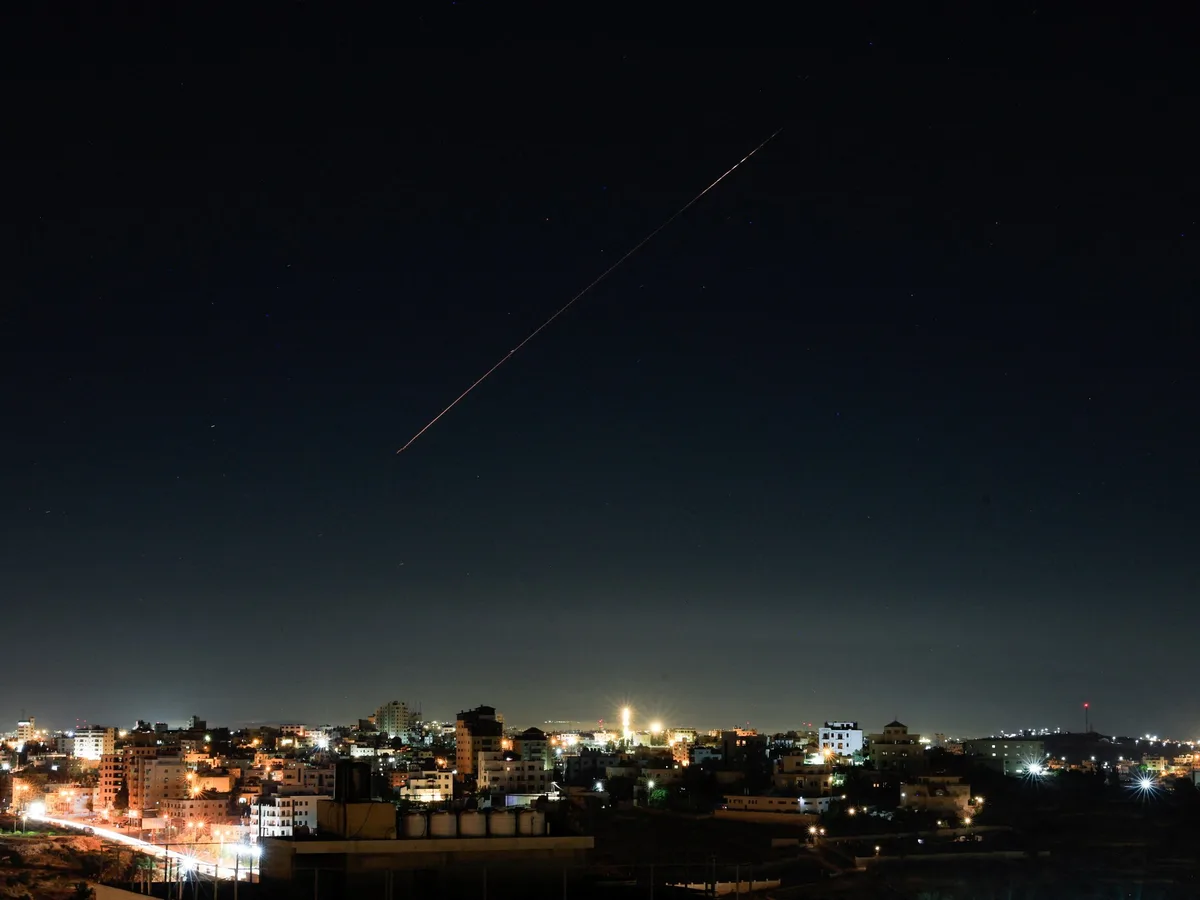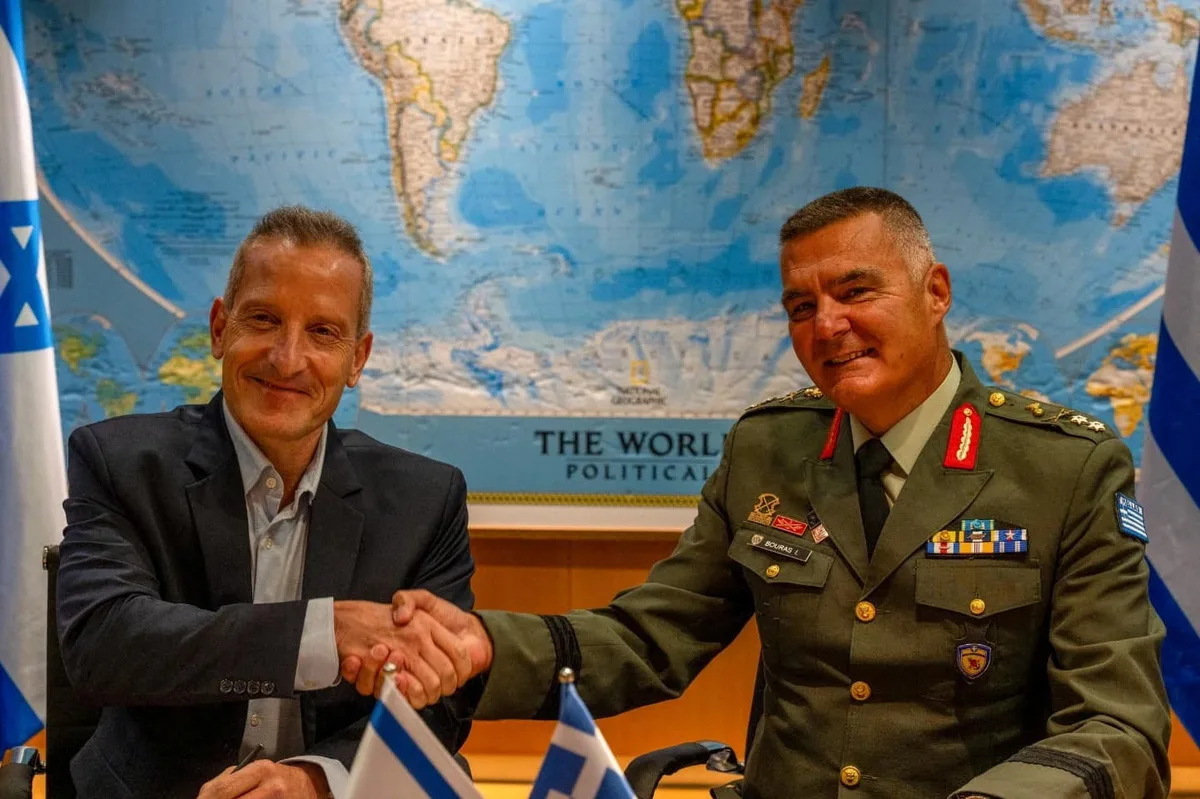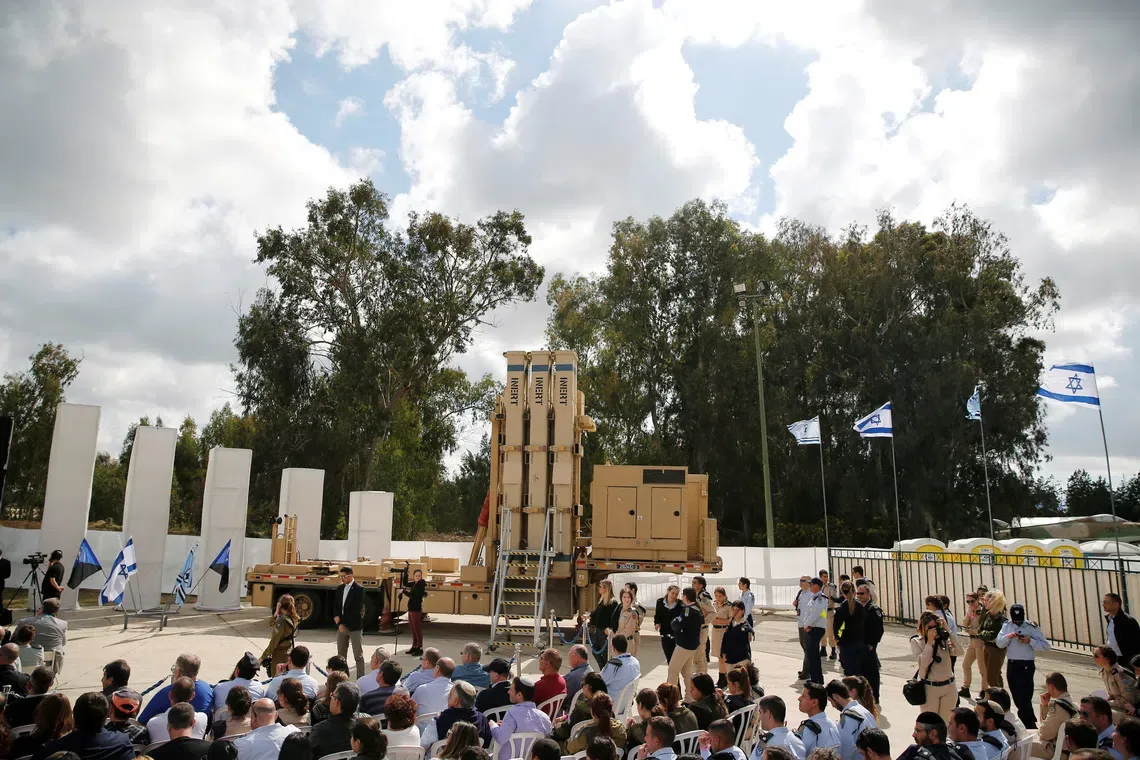
Greece and Israel finalized a $3.5 billion (€3 billion) deal on August 31, 2026, for the Achilles Shield air defence system in Tel Aviv [1, 2, 3, 4, 5, 6, 7, 8]. The system integrates multiple missile defence layers including David's Sling, SPYDER, and BARAK MX missiles alongside MMR multi-mission radars and a national command-and-control system developed by Israel’s Rafael and IAI companies [1, 2, 4, 5, 9].
Achilles Shield is designed to counter ballistic missiles, cruise missiles, aircraft, drones, and enhance anti-drone capabilities, creating a network of short-, medium-, and long-range missile defences [1, 2, 4, 5, 9]. The project also includes a separate $26-30 million purchase of Rafael’s Drone Dome system, specifically targeting drone threats [2, 4, 5].
Greece’s Defence Ministry aims to complete the full delivery and operational readiness of Achilles Shield in about 35 months, with phased implementation [5, 9]. The system will be integrated into a unified command and control network supported by AI to analyze radar and sensor data for threat classification [9]. Greek defence sources said Spyder missile batteries will be deployed on islands for layered protection [9].
The deal reflects strengthening ties between Israel and Greece, who have increased cooperation in cybersecurity, air training, and joint military exercises [1, 3, 7, 8]. Israel’s Defense Ministry called it one of the largest defence exports in Israel’s history and the largest to Greece [2, 3, 6, 8].
The agreement followed nearly three years of negotiations and contains technology transfer components worth around €700 million, allowing significant Greek industry participation [9].
Greece is one of the few NATO members spending nearly 3.5% of its GDP on defense, driven by ongoing regional tensions with neighboring Turkey [1, 2, 3, 7, 8]. The country plans to invest roughly €28 billion by 2036 in military modernization, including Achilles Shield and purchases of up to 40 F-35 jets from the U.S. as well as frigates from France and Italy [1, 2, 5, 7].
Greece’s Defence Minister Nikos Dendias said, "Modern conflicts have already altered the parameters of military defence and deterrence. Technology, ballistic missiles, satellite communications, unmanned systems, cyber threats, hybrid forms of warfare and the interconnection of fields of operations have long rendered pre-existing defence doctrines completely unrealistic" [4]. Israel’s Defence Minister Israel Katz highlighted common strategic challenges, saying, "Israel and Greece share common strategic interests and face shared regional challenges. At a time when actors with hegemonic ambitions are seeking to expand their influence and undermine stability in the region" [3].
The next major milestone is the arrival and phased deployment of the Achilles Shield systems, scheduled to reach full operational capability in just under three years.