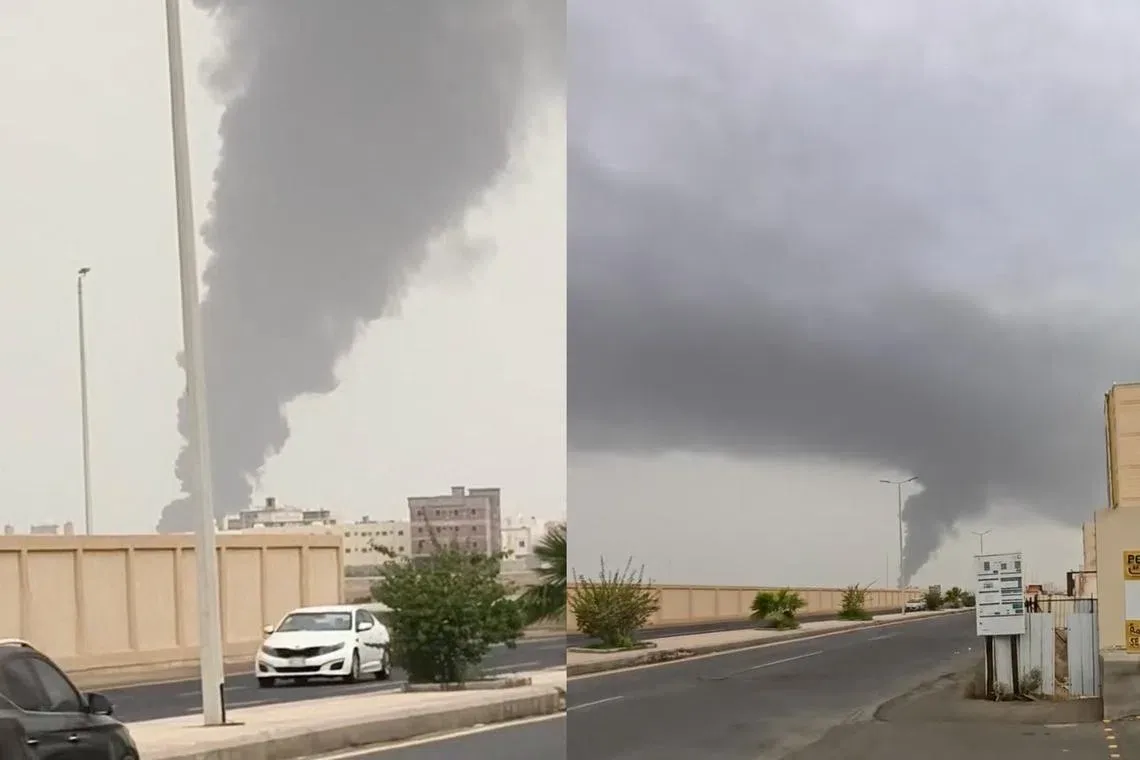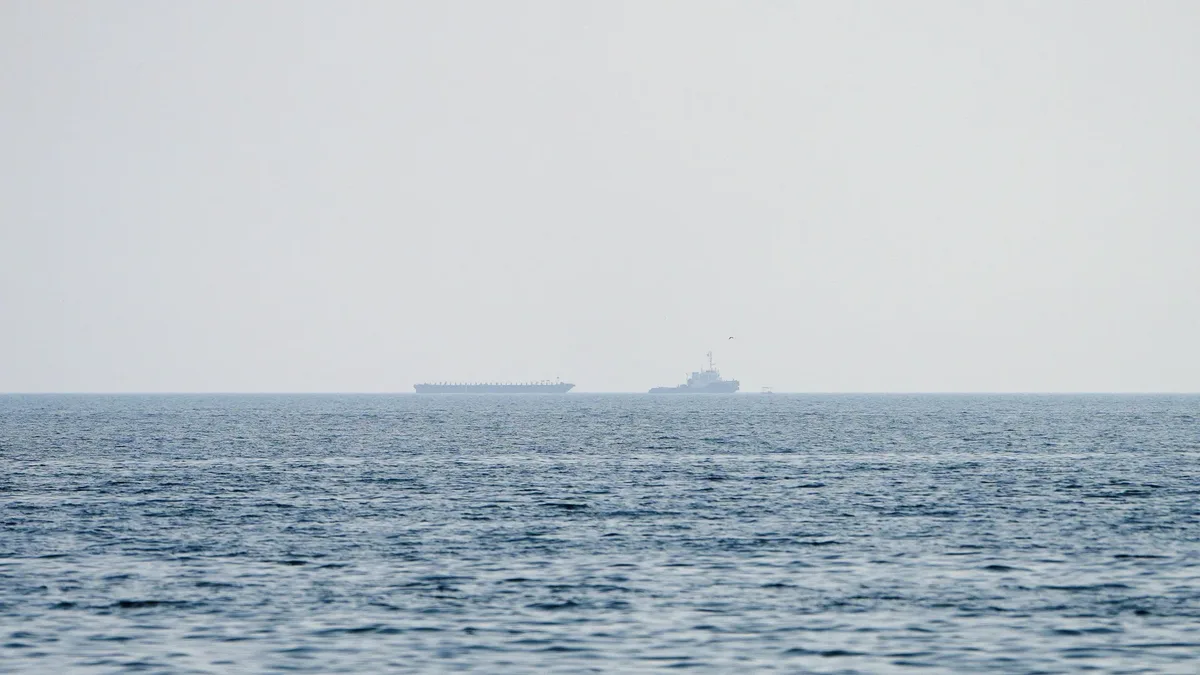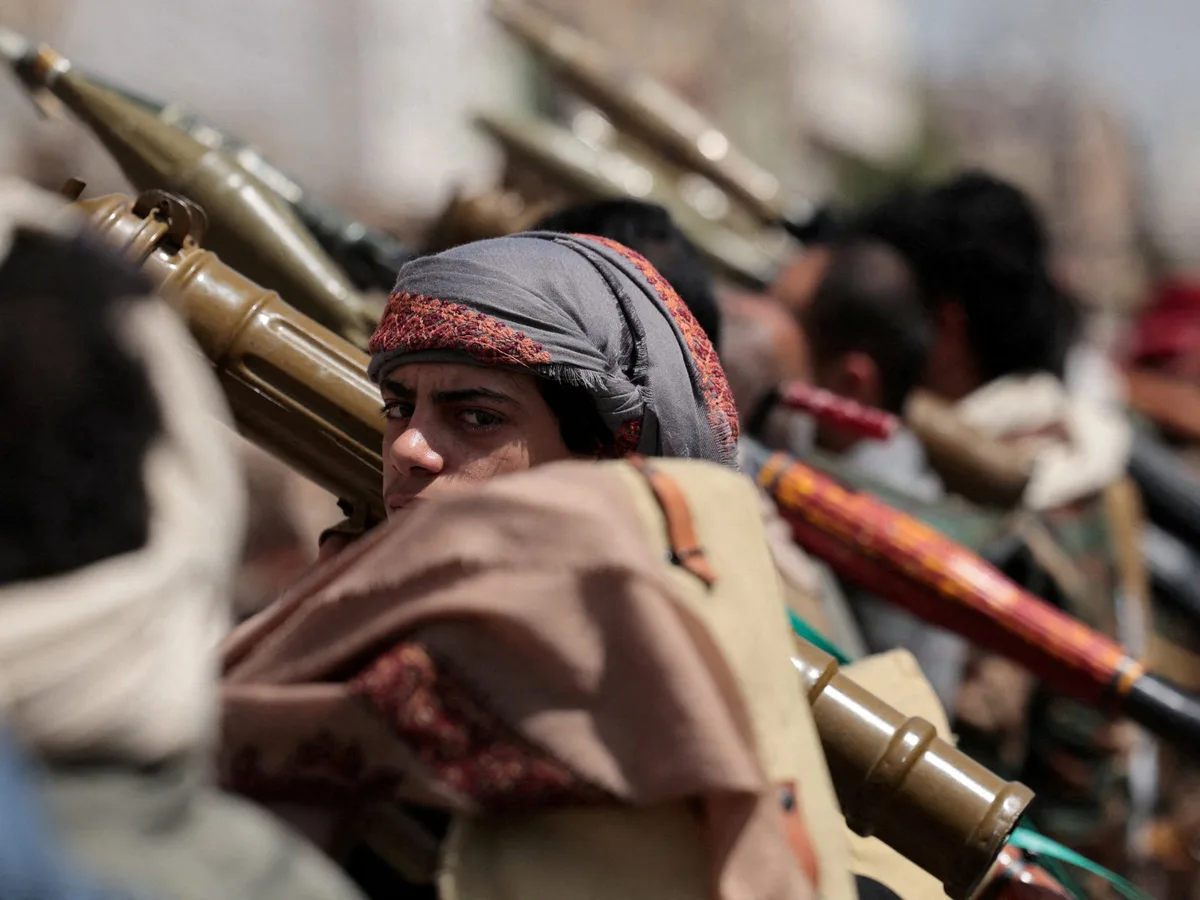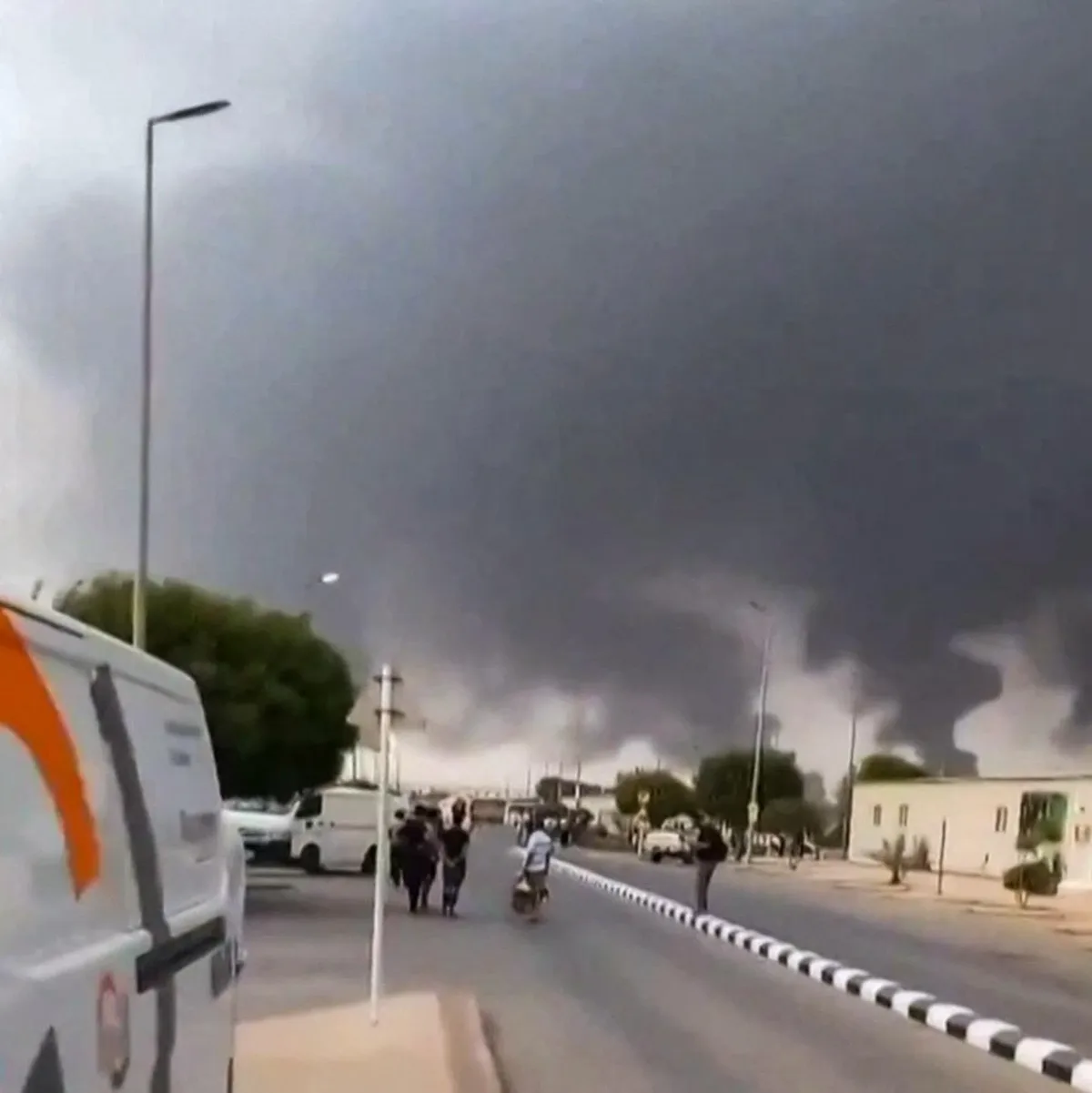
On July 25, Yemen’s Iran-aligned Houthi militants launched missiles and drones targeting Saudi state oil company Aramco sites in Jizan and Yanbu along the Red Sea coast [1, 2, 3, 4]. The Houthi military spokesperson, Yahya Saree, confirmed the group successfully struck these installations [1, 2, 3]. A video verified by Reuters showed a large column of smoke rising from the Aramco refinery in Jizan after the attack [1, 2, 3].
Two ballistic missiles aimed at oil facilities in Yanbu were intercepted by a Patriot missile system operated by the Greek military under a Saudi agreement [1, 2]. Yanbu serves as a major Saudi Red Sea oil port and a key export route that bypasses the Strait of Hormuz, a strategic chokepoint in the region [1, 2].
On the same day, the United States did not conduct new air strikes on Iran, pausing a 13-night streak of retaliatory strikes launched in response to Iranian attacks on shipping in the Strait of Hormuz [1, 2, 3, 4]. Axios reported that the pause followed a July 24 directive from President Donald Trump to halt new strikes while pursuing diplomatic talks [1, 2]. Trump stated the US and Iran were negotiating to end their conflict, but Tehran was not yet ready to reach a deal [2]. A senior US official said, "Trump has always been clear that his preference is diplomacy, but he has shown Iran what will happen if they fail to come to the table in a serious way" [3].
No Iranian attacks on Gulf neighbors were reported on July 25, differing from previous days when Iran responded to US strikes with near-daily attacks [1, 2, 3]. Iran’s Health Ministry spokesperson Hossein Kermanpour commented, "It seems that our dear Iran had a peaceful night last night" [1]. However, the US naval blockade against Iran remained fully in effect despite the pause in air strikes [3].
The recent hostilities threaten to spill into Yemen’s ongoing civil war and disrupt other major shipping routes beyond the Strait of Hormuz [1, 2, 3, 4]. The interim peace agreement between the US and Iran collapsed earlier in July, leading to the current cycle of escalations [1, 2, 4].
Separately, Iran accused Ukraine of attacking an Iranian commercial vessel in the Caspian Sea on July 25–26, killing one sailor and wounding another. Ukraine referenced carrying out strikes on naval targets in the area [3].
The military pause and diplomatic talks announced on July 24–25 mark the latest shift in tensions as regional actors remain on high alert. No new US air strikes were reported on July 25, and the next US-Iran developments are expected soon.