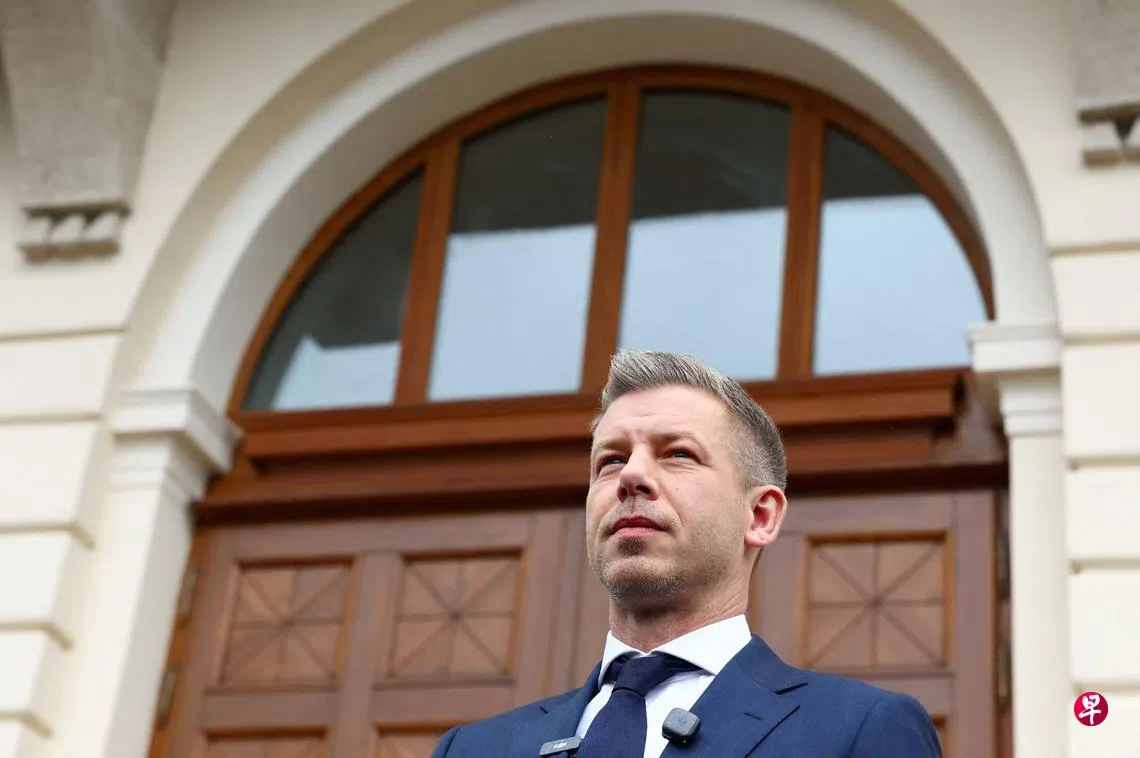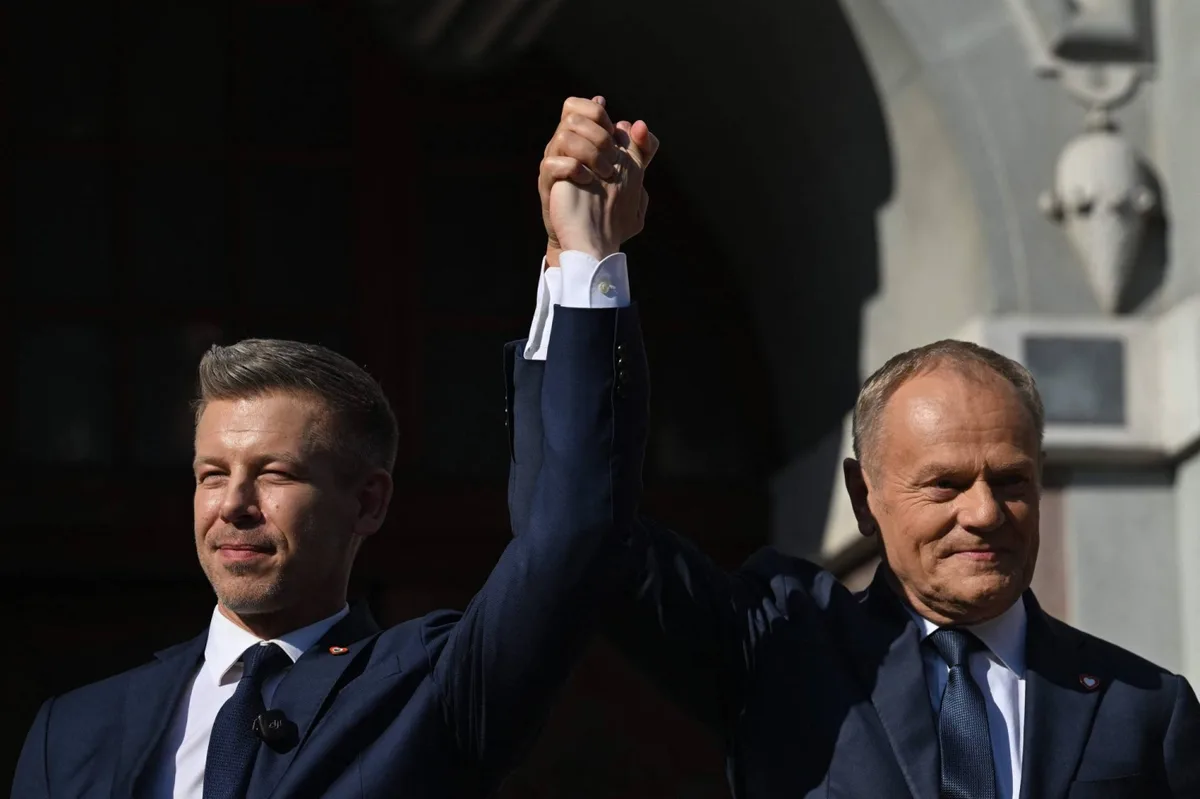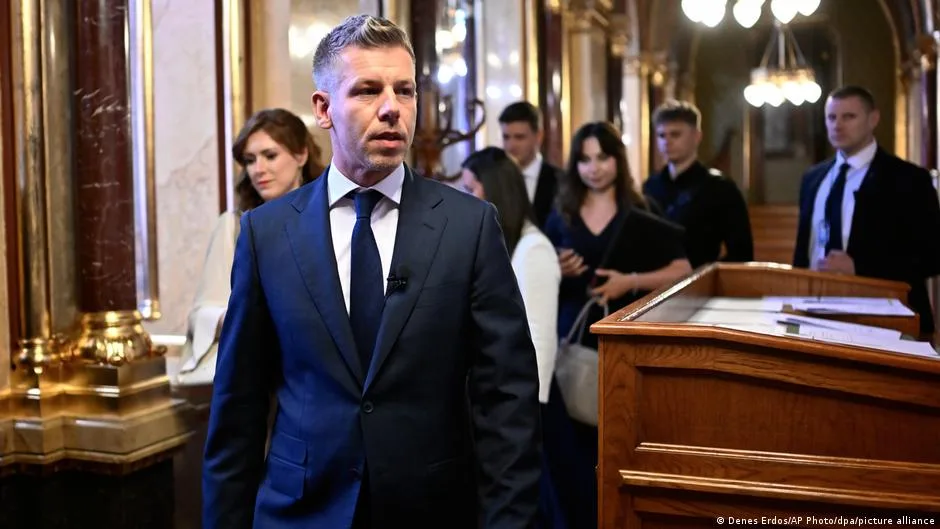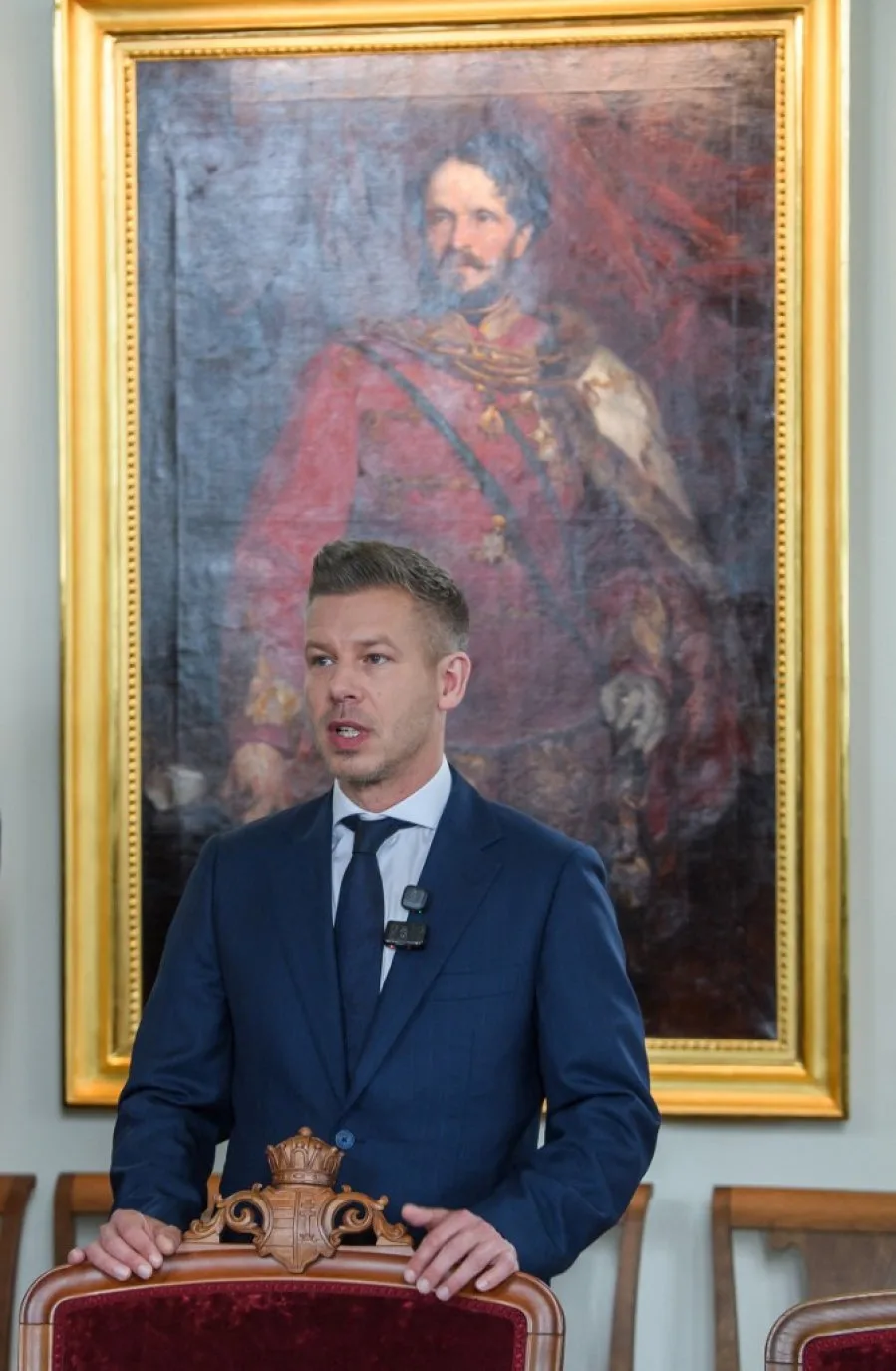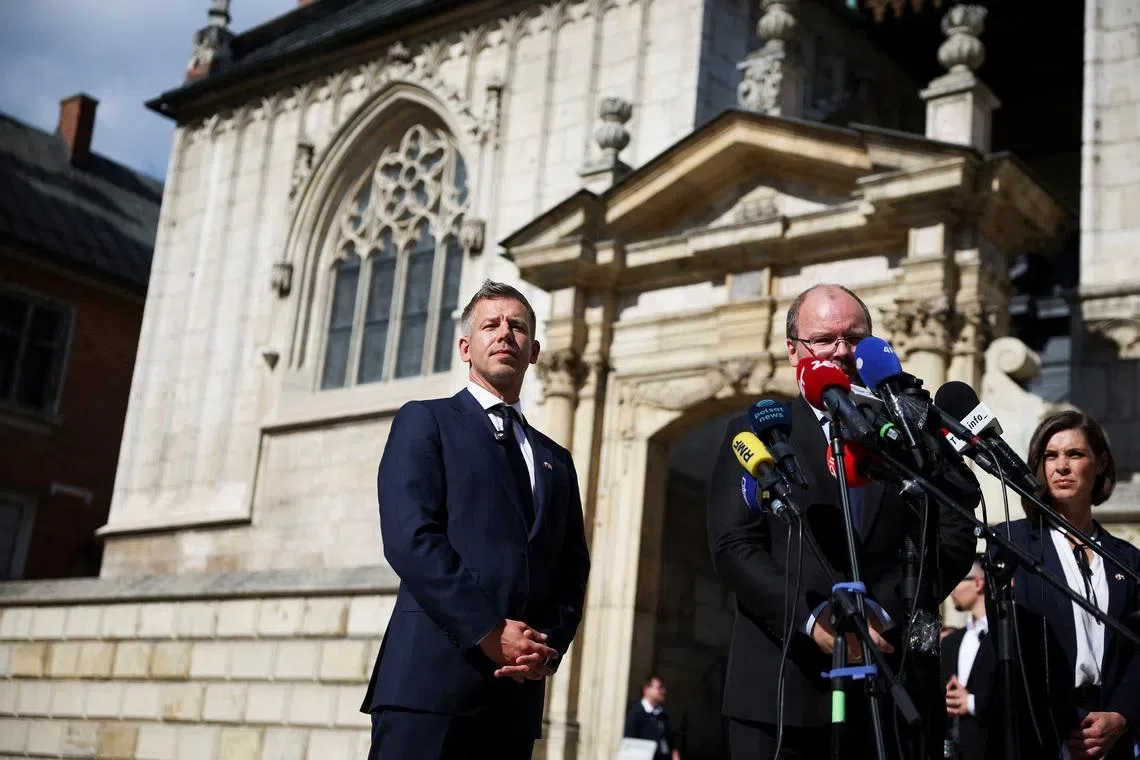
Hungarian Prime Minister Peter Magyar started his first foreign trip since taking office on May 9 with a two-day visit to Poland on May 19, 2026 [1, 2, 3]. The visit signals a reset in bilateral relations after tensions under Viktor Orban's premiership, which were marked by confrontational policies and diverging ties with the EU [1, 2, 3, 4, 5].
Magyar traveled through Krakow, Warsaw, and Gdansk, meeting key figures including Polish Prime Minister Donald Tusk, former President Lech Walesa, and President Karol Nawrocki [1, 6, 4, 5]. Tusk, who returned to power in 2023 leading a pro-European coalition, welcomed Magyar's arrival, saying, "Welcome back to Europe" [3]. A Polish government official said Magyar's visit shows Hungary wants to restore relations "to a very good level" and revive strong bilateral ties [1].
Magyar won a landslide election against Orban in April 2026 and aims to emulate Poland's pro-EU shift under Tusk [1, 2, 3, 7]. He pledged to play a constructive role in the EU while advocating for Hungarian national interests and regional cooperation within the Visegrad Group and with Austria [4, 8, 5]. He said, "The Hungarian government intends to play a constructive role in the European Union, while consistently representing Hungarian interests" [8].
Energy cooperation featured prominently. Magyar aims to end Hungary's dependence on Russian energy by 2035 and praised Poland's plan to offer access to U.S. LNG through a new Gdansk terminal opening in 2028 [1, 2, 6, 5]. He expressed hopes for lower transit fees and more competitive gas supplies in the EU, saying, "We would be the happiest if there was a lower transit fee, or if the European Union could be persuaded to make the gas arriving via LNG more competitive" [6]. Poland and Hungary's bilateral trade volume is around 15 billion euros [4].
Magyar also indicated interest in upgrading Hungary's rail infrastructure, noting his travel along Poland’s EU-funded high-speed rail line between Krakow and Warsaw [1, 4]. The visit included ministers responsible for foreign affairs, economy, energy, transport, investment, and defense [1, 2, 4].
Magyar and Tusk pledged joint efforts to defend common interests in the EU and fight corruption, marking a break with the previous Orban era [3, 7, 5]. Discussions also touched on the sensitive topic of Polish former ministers granted asylum in Hungary during Orban's time. Magyar stated that former Polish Justice Minister Zbigniew Ziobro left Hungary the day before Magyar’s inauguration, and speculated that deputy Marcin Romanowski "may have left through Serbia," though this remains unconfirmed [6, 3].
After Poland, Magyar met Austrian Chancellor Christian Stocker today in Vienna to discuss enhancing bilateral cooperation and EU relations. Austria is Hungary’s second largest investor, with over 11 billion euros invested [4, 8, 5]. Magyar plans a joint government meeting with Austria later this year and intends to host a Visegrad Group summit in June 2026 [8].
Magyar will visit Brussels next week to meet European Commission President Ursula von der Leyen to seek unfreezing of EU funds previously held due to rule of law concerns [5]. The Polish government recently unfroze funding after reforms under Tusk [1, 5].
The visit marks an early step by Magyar to reset Hungary's international alliances and build cooperation with neighboring countries after years of strained relations.