Hungary's ruling Tisza party submitted a constitutional amendment to parliament on May 21, 2026, proposing to cap prime ministerial service at eight years or two terms since May 2, 1990, the date of Hungary's democratization [1, 2].
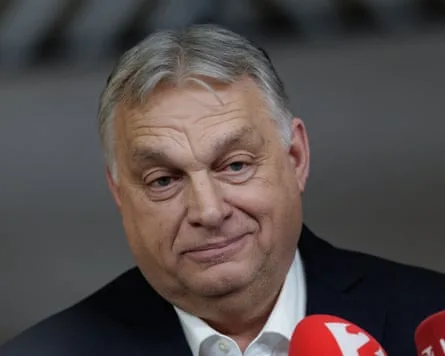
The amendment explicitly bars former prime minister Viktor Orbán, who served 20 years between 1998 and 2026, from holding the office again [1, 2]. "A person who has served as prime minister, for a total of at least eight years, including any interruptions, may not be elected as prime minister," states the constitutional text [2].
The reform also allows the government to dissolve the Sovereignty Protection Office, a controversial agency established by Orbán in 2023 to monitor threats to Hungary's sovereignty [1, 2]. The office faced criticism for permitting intelligence services to surveil individuals and organizations without judicial oversight [2].
Additionally, the amendment permits the government to reclaim assets held by public-interest foundations set up under Orbán’s administration. These foundations maintained universities, though the amendment clarifies that "although the foundations ... are private entities, their assets are national assets," which will transfer back to state control [1, 2].
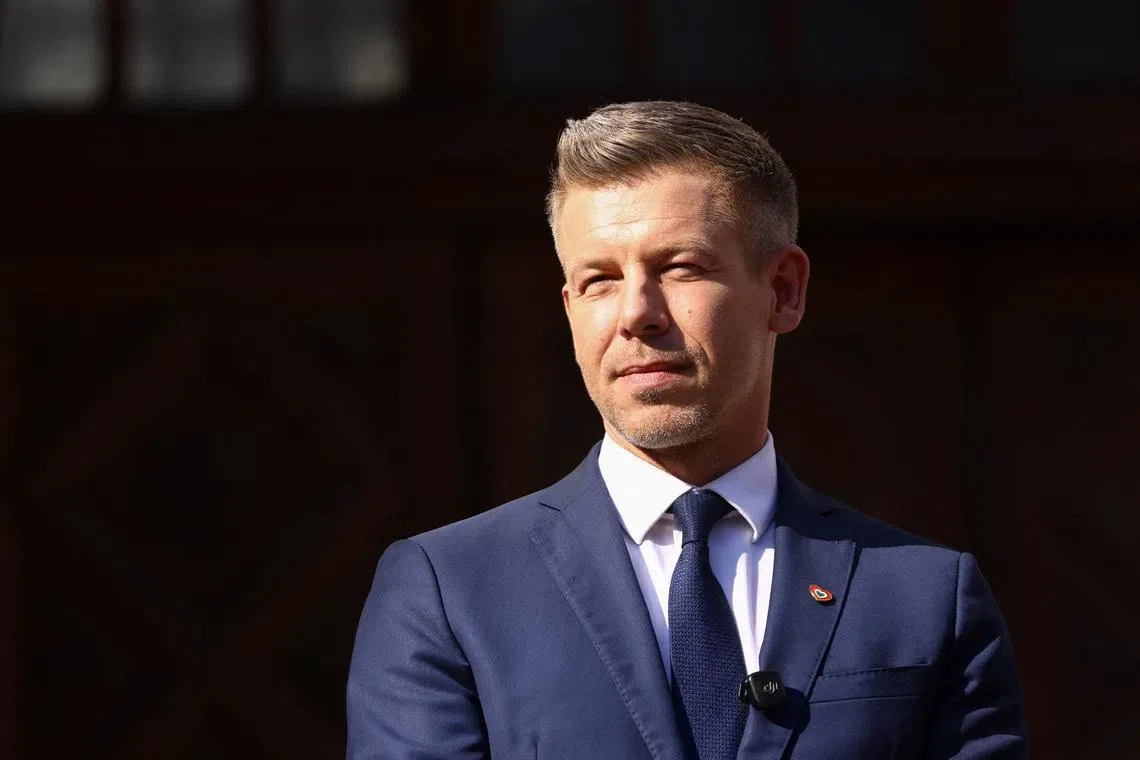
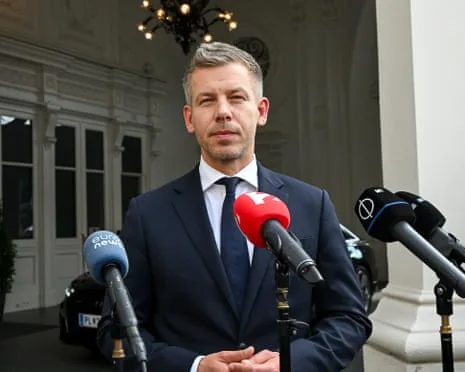
Prime Minister Péter Magyar, who ousted Orbán’s Fidesz party in April 2026 after 16 years of Orbán’s rule, aims to restore democratic checks and balances and dismantle Orbán’s legislative legacy [1, 2]. The amendment is expected to pass easily due to the Tisza party’s supermajority in parliament [2].
Orbán previously served as prime minister for a total of 20 years, the longest tenure under Hungary's post-communist democracy [2]. The proposed eight-year cap on the office would apply retroactively to all terms since the May 1990 democratization date, ensuring no prime minister can exceed two full terms or eight total years in office [1, 2].
Parliament will now debate the amendment ahead of a formal vote in the coming weeks [1, 2].