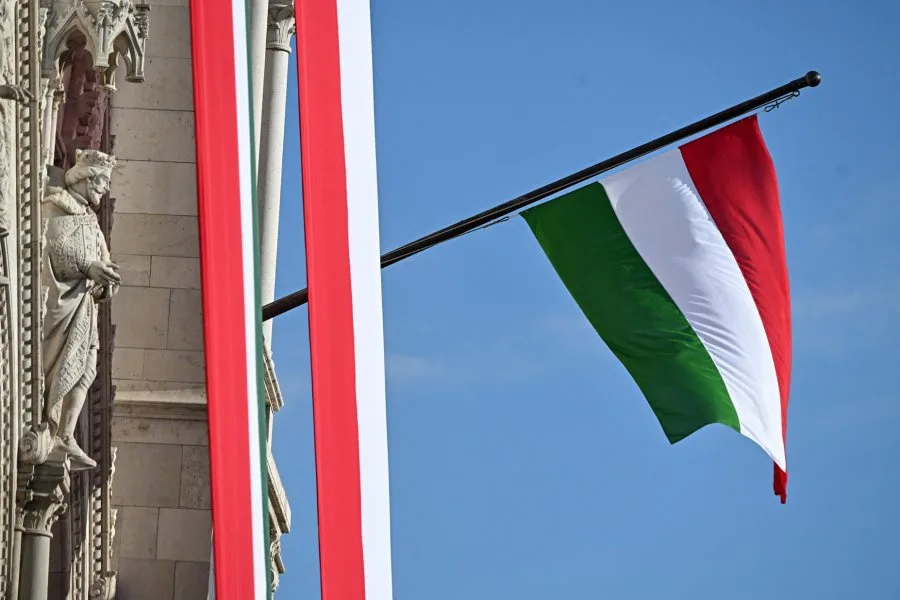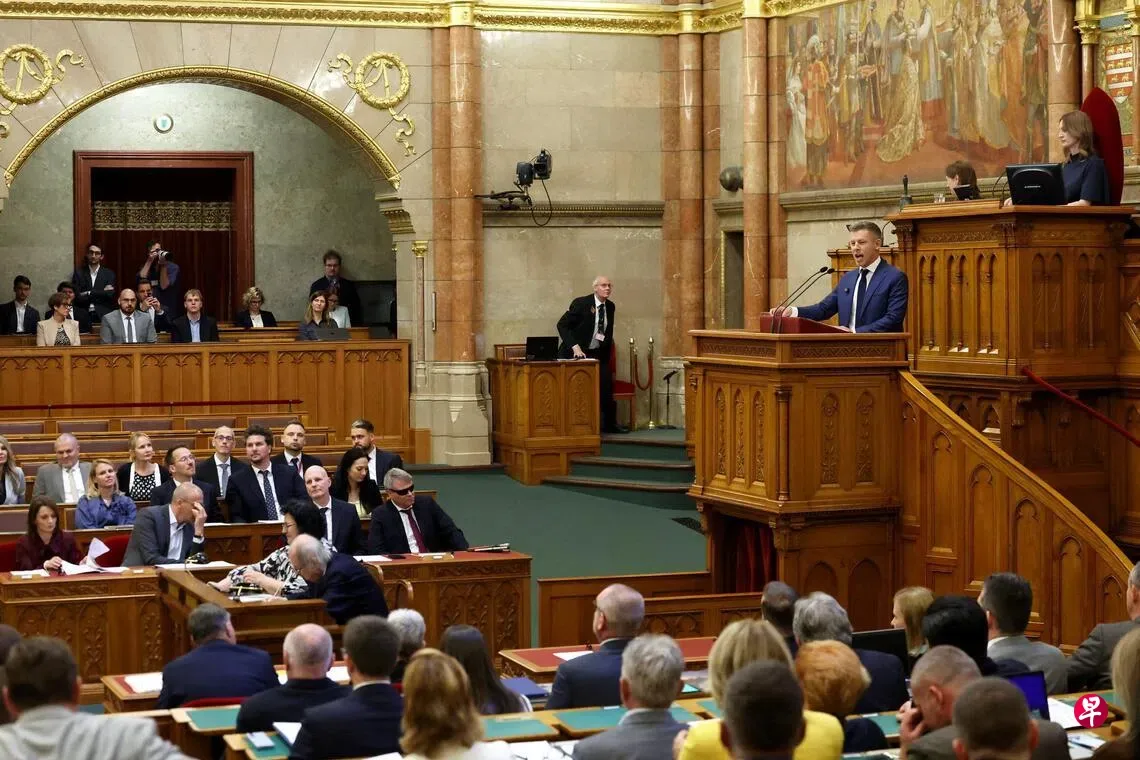
Hungary's parliament approved legislation on May 27, 2026, to halt the country's withdrawal from the International Criminal Court (ICC) and maintain its membership, reversing a decision made by the previous government in 2025 [1, 2, 3, 4, 5, 6, 7].
The vote in the 199-member parliament was 133 in favor, 37 against, and 5 abstentions [4, 8, 5, 7]. The law will take effect the day after official promulgation, pending presidential approval [4, 5].
Prime Minister Peter Magyar, who defeated Viktor Orban in the April 2026 elections, had pledged to stop the ICC withdrawal and keep Hungary engaged with the court [1, 2, 3, 4, 5, 6, 7]. Magyar said it was necessary "to maintain international peace and security and protect human rights" and to hold accountable those who "committed the worst of international crimes" [5]. The legislation echoed this, stating that Hungary must remain in the ICC "in the interest of international peace and security, and for the protection of human rights" [2, 3].
Hungary’s 2025 withdrawal was announced soon after Israeli Prime Minister Benjamin Netanyahu visited Hungary despite an ICC arrest warrant against him. Hungary refused to arrest Netanyahu, calling the warrant "brazen" or "shameless," and the Orban government then cited politicization of the ICC as justification for withdrawal [1, 2, 3, 4, 6, 7].
Had Hungary withdrawn, it would have been only the third country to leave the ICC, after Burundi and the Philippines [4, 7]. Hungary is an original ICC founding member, with Orban signing the Rome Statute in 1999 [7].
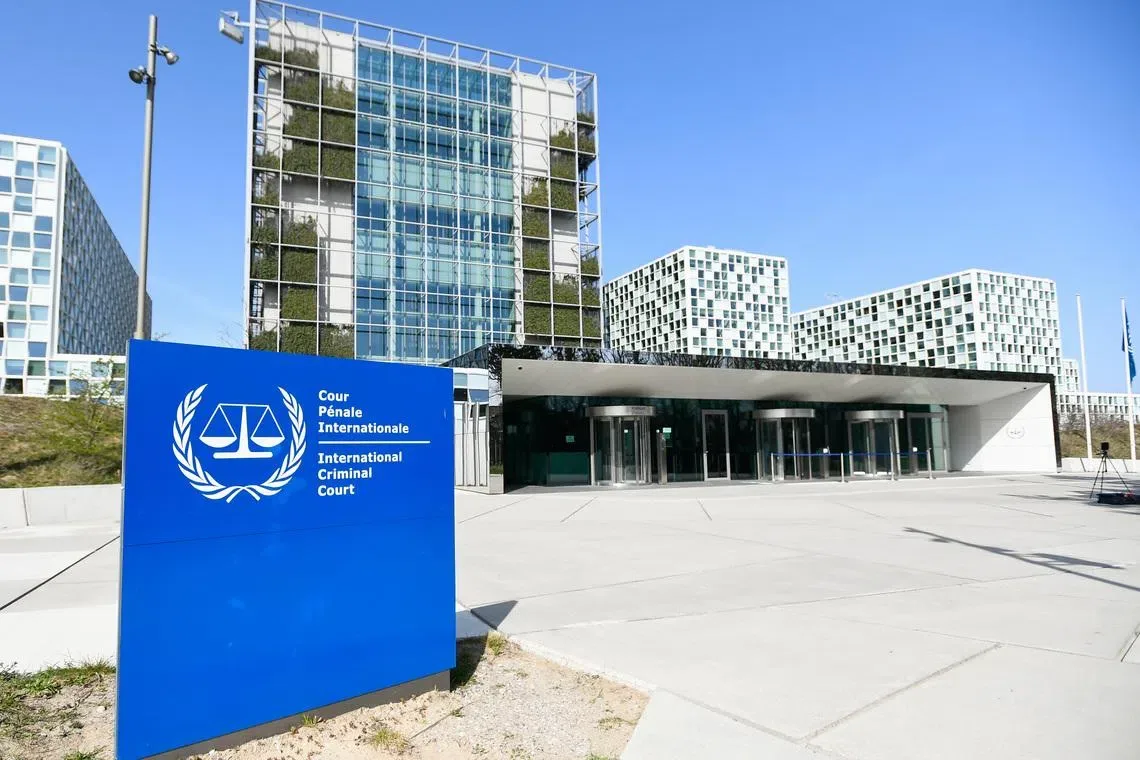
The ICC, established in 2002 and based in The Hague, prosecutes war crimes, crimes against humanity, and genocide. It has more than 125 member states, though some major countries like China, Israel, Russia, and the US do not recognize its jurisdiction, limiting enforcement [4, 8].
The withdrawal process was set to take effect on June 2, 2026, but the new law has stopped it before then [4, 5, 7]. The ICC Assembly of States Parties welcomed Hungary’s decision to remain a member [7].