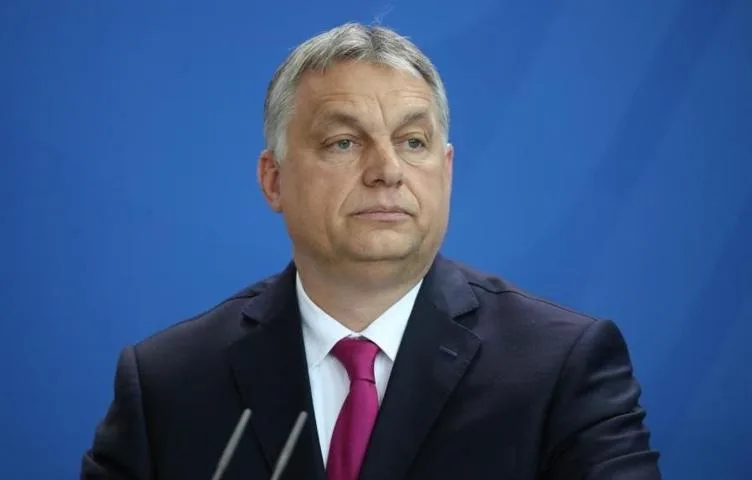
Former Hungarian Prime Minister Viktor Orban's media empire is rapidly unraveling after the April 12, 2026 election ended his 16-year rule. [1, 2]
The centre-right opposition party led by Peter Magyar won the election with a landslide, securing a two-thirds majority in parliament. [1, 2] Within weeks, pro-Orban media figures were pushed out and flagship news programs were cancelled. Hungary's top TV channel, TV2, fired its news director and scrapped its primary news broadcast after the election. [1, 2]
Public media shifted quickly to include more opposition voices even before Magyar formally took office. [1, 2] Magyar called public media a "factory of lies" and pledged to restore press freedom, create new media laws, and establish a media authority. He said, "We want a truly balanced and objective news agency...We want its leaders to be selected through equal consultation." [1, 2]
Orban's government had made substantial moves to control media through new laws and ownership by pro-government businessmen. The pro-Orban media conglomerate KESMA, founded in 2018 and owning nearly 500 outlets, now faces scrutiny and potential withdrawal of state advertising under the new government. [1, 2]
Hungary fell from 23rd place in 2010 to 74th in the 2026 Reporters Without Borders press freedom index, illustrating a steady decline in media independence. [1, 2] Analysts warn rebuilding balanced public media depends not only on legal reforms but also political will. As commentator Gabor Polyak noted, "If political elites accept that journalism's role is to criticize and remain independent from politics, almost any public service media can operate effectively." [2]
Magyar’s early interactions with state media reporters were tense, reflecting skepticism over prior biased coverage. [2] Journalist Krisztina Balogh recalled being pressured to produce misleading segments, saying, "I was once asked to find a doctor to say on camera that migrants are dangerous because they spread diseases." [2]
In early May 2026, Magyar was sworn in as Prime Minister and ordered a comprehensive review of public media and its funding. The new government plans media reform and the restoration of press freedom as major priorities. [1, 2]
Hungary now faces the challenge of reforming a deeply controlled media landscape while establishing new laws and institutions to guarantee journalistic independence. [2]