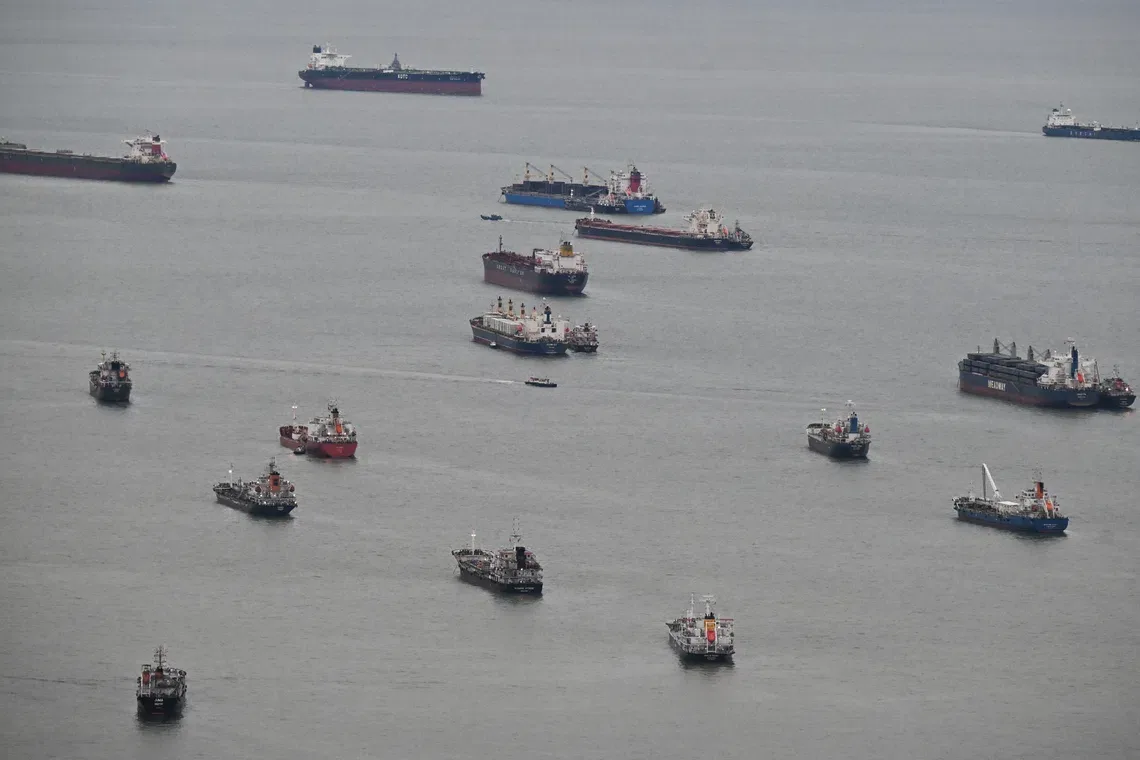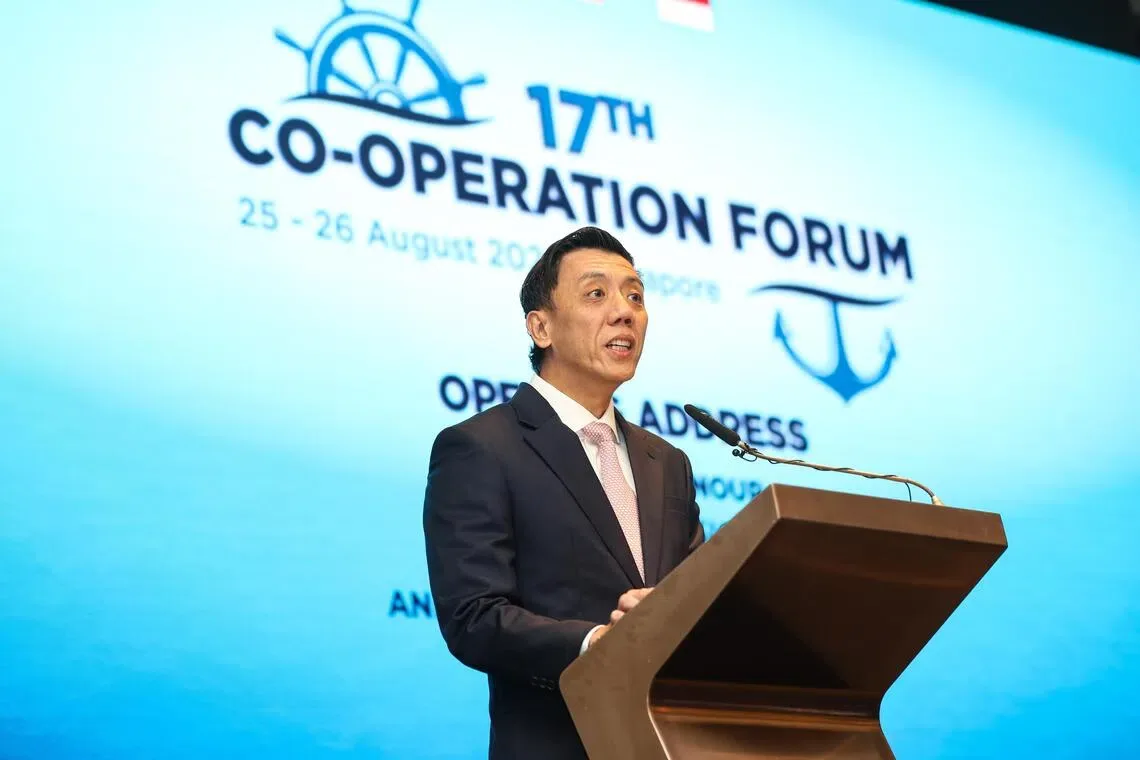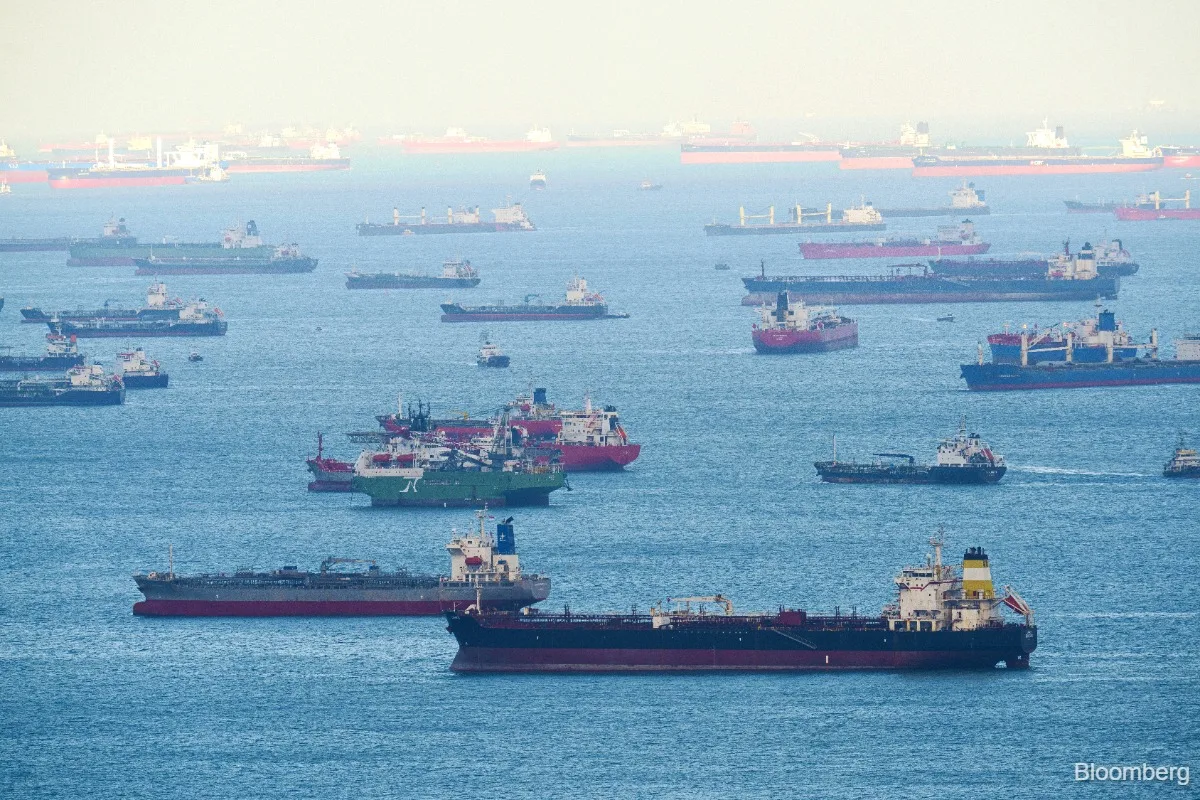
Indonesia, Malaysia, and Singapore pledged on August 25, 2026, to maintain the safety, security, and openness of the Malacca and Singapore straits at the opening of a two-day Co-operation Forum held at M Hotel in Singapore [1, 2]. These straits are among the world’s busiest waterways, carrying nearly a quarter of global seaborne trade [3, 4, 5, 6].
The three countries have cooperated for more than 50 years to ensure safe navigation despite unresolved maritime boundary issues and occasional disagreements [3, 4, 5, 6]. Singapore Transport Minister Jeffrey Siow said, “The only guarantee that the straits will remain open, safe and secure lies in the will of man, and the work of every generation of leaders” [3]. Siow also noted, "Events in the Middle East this year reminded the world that open sea lanes cannot be taken for granted" [2].
A Cooperative Mechanism was formally established in 2007, providing a platform for littoral states, user states, and the shipping industry to improve navigational safety and environmental protection in the straits [3, 4, 5]. Since 2007, the international maritime community has contributed about US$26 million to support infrastructure and safety initiatives around the Strait of Malacca [2].
More than 50 navigational aids, including physical and recently introduced virtual aids, guide ships safely through the straits; these aids are partly funded by voluntary contributions from diverse stakeholders [1, 2]. Digital tools and artificial intelligence are increasingly used to enhance situational awareness and predict traffic hotspots, reducing collision risks [1]. Siow stressed that "all these initiatives are important because they address practical risks, bring together officials, experts and industry partners, and build confidence" [1].
The Malacca and Singapore straits have faced environmental risks in the past, highlighted by a 1975 incident when the Showa Maru ran aground near Pulau Sebarok, spilling 3,300 tonnes of crude oil [1]. This event spurred deeper cooperation among the littoral states to address emergency and environmental challenges.
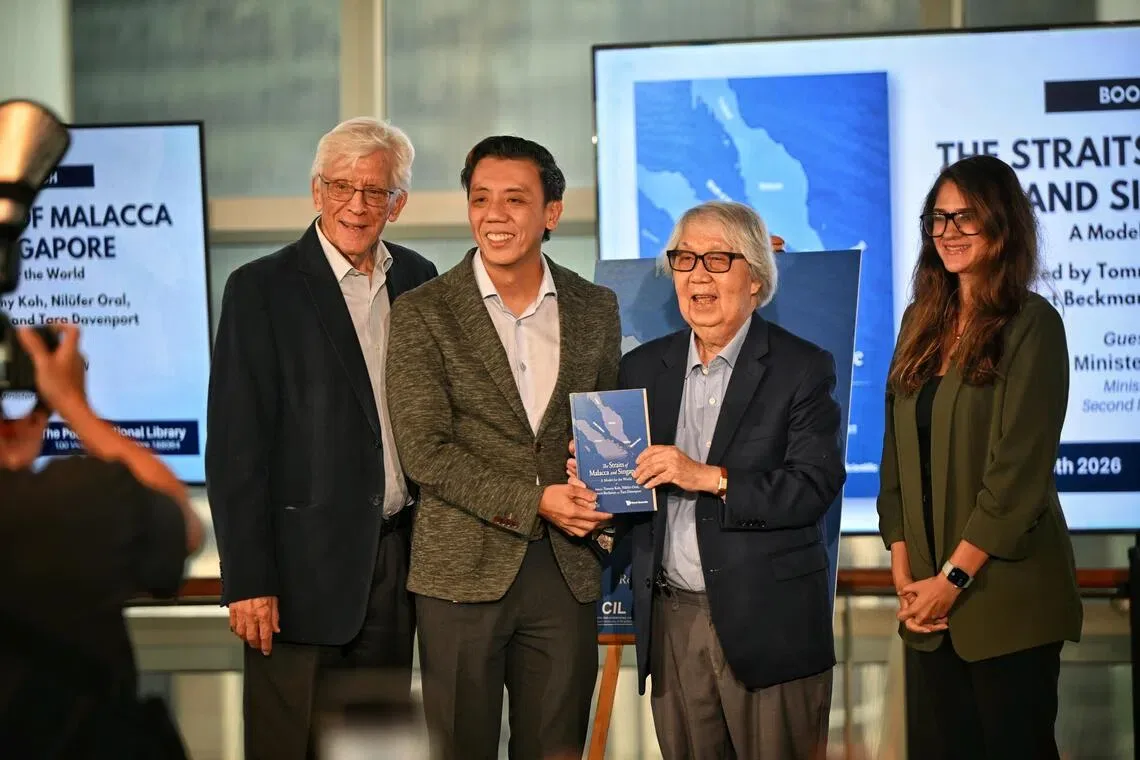
Thailand, though having only a short coastline at the northern end of the Strait of Malacca, cooperates loosely with Indonesia, Malaysia, and Singapore on navigational safety matters [2]. Veteran diplomat Tommy Koh called the cooperation “unique,” saying, “We are the only strait in the world which has what is called a cooperative mechanism” [3].
Regional guidelines aimed at better coordinating assistance for ships in distress are expected to be finalized within 2026 [1]. The three countries continue to build on decades of collaboration to keep one of the world’s most critical maritime routes safe and open for global trade.