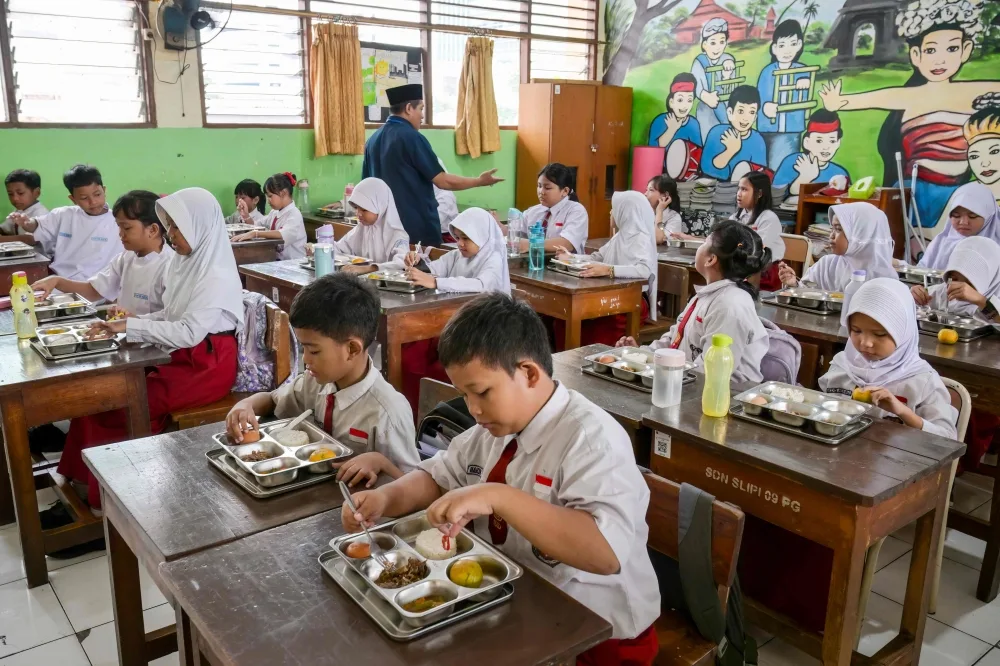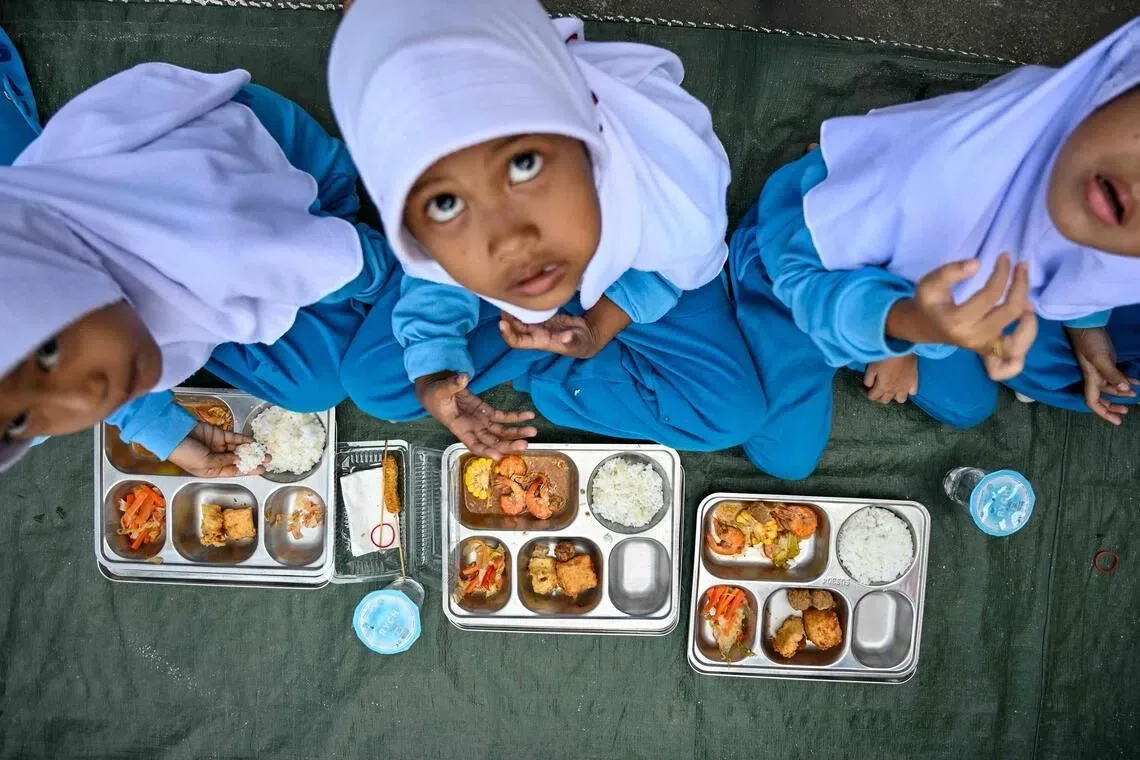
Indonesian President Prabowo Subianto publicly admitted on May 16, 2026, that the government’s free nutritious meal programme faces multiple problems and challenges but said it should not be stopped [1, 2, 3]. The programme was launched in January 2025 to combat malnutrition and stunting affecting more than 20% of Indonesian children [1, 4, 2, 3]. By March 2026, the scheme had provided meals to over 61 million people, aiming to reach 82.9 million, or roughly one third of Indonesia’s population [1, 4, 2, 3].
In March 2026, amid economic pressures caused in part by the Middle East war, the government reduced meal distribution from six to five days a week. This cut is estimated to save up to 40 trillion rupiah (about US$2.3 billion) [1, 4, 2, 3]. However, thousands reportedly fell ill after eating meals from the programme, raising concerns about hygiene and food safety [1, 4, 2, 3].
Indonesia Corruption Watch filed a formal complaint the week before May 16 alleging corruption and budget discrepancies around US$50 million in halal certification procurement related to the programme [1, 4, 2, 3]. The head of the National Nutrition Agency, Dadan Hindayana, named in the complaint, has acknowledged oversight lapses and promised enhanced monitoring [1, 4, 3].
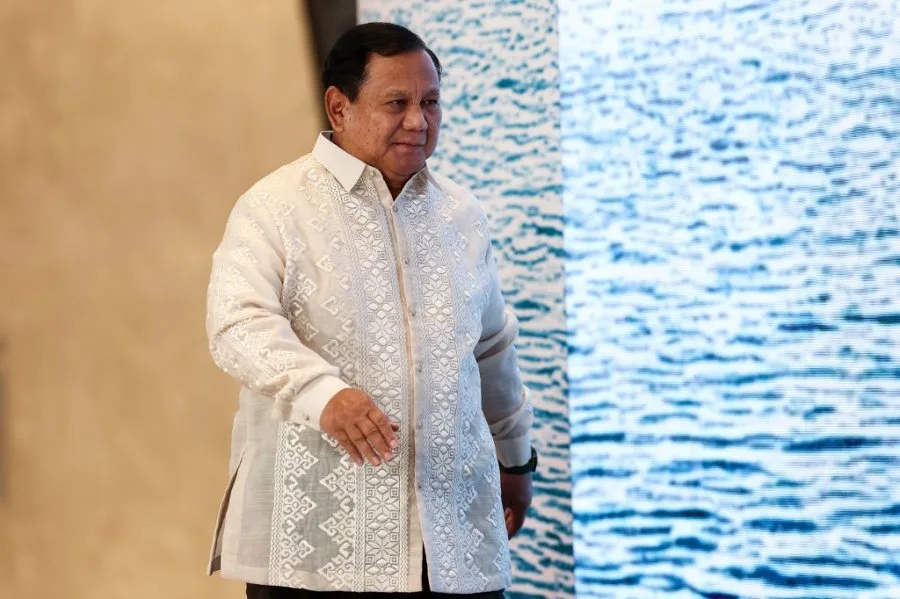
In remarks in East Java, Prabowo said, “It’s true that there are many problems and challenges. Free nutritious meals comes with many problems, we must put things in order” [1]. He also quoted the public’s support: “Everywhere I go, I meet ordinary people, farmers, saying, ‘sir, please don’t stop the free nutritious meals programme, this really helps my grandchildren to be able to eat’” [1].
Prabowo pledged strong disciplinary action against any officials found violating rules. “My government has no hesitation: anyone who violates the rules, who strays, who abuses their authority, will be disciplined, we will clean them up, we will remove them from their position,” he said [4].
Despite controversies, the government insists the scheme will continue to expand to cover more people. The programme remains a key policy in addressing child malnutrition nationwide [1, 4, 2, 3].