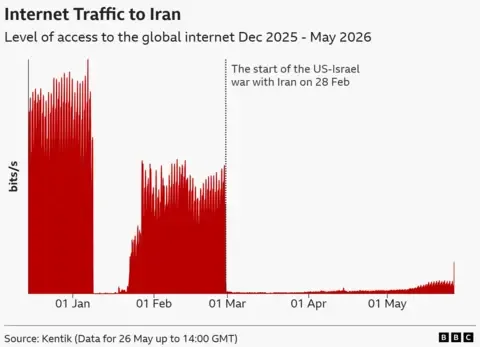
Iran began partially restoring internet access on May 26, ending almost three months of near-total blackout that started January 8 amid nationwide anti-government protests [1, 2, 3]. The shutdown intensified after US and Israeli military strikes began February 28, leading to a prolonged outage mainly blocking international and mobile internet [1, 2, 3, 4, 5].
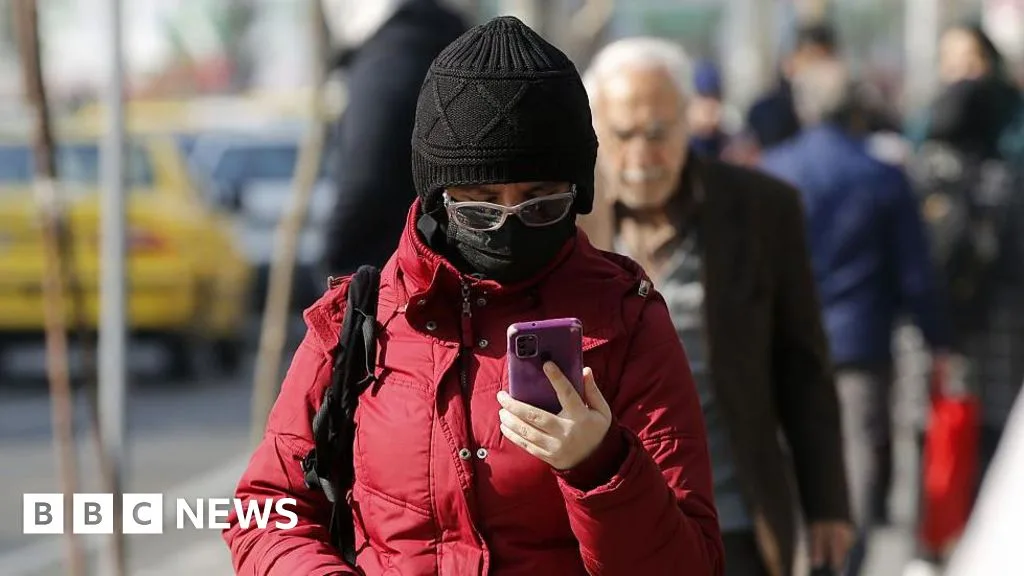
The partial restoration primarily affects fixed broadband and home Wi-Fi connections, while mobile internet remains largely offline [1, 3, 6, 5]. State news agencies reported full international connectivity for fixed broadband users, but independent monitors like NetBlocks say access is still partial with ongoing filtering and blocks on apps such as WhatsApp [3, 5, 7]. Internet traffic has recovered to around 35% of pre-shutdown levels, far below normal [5].
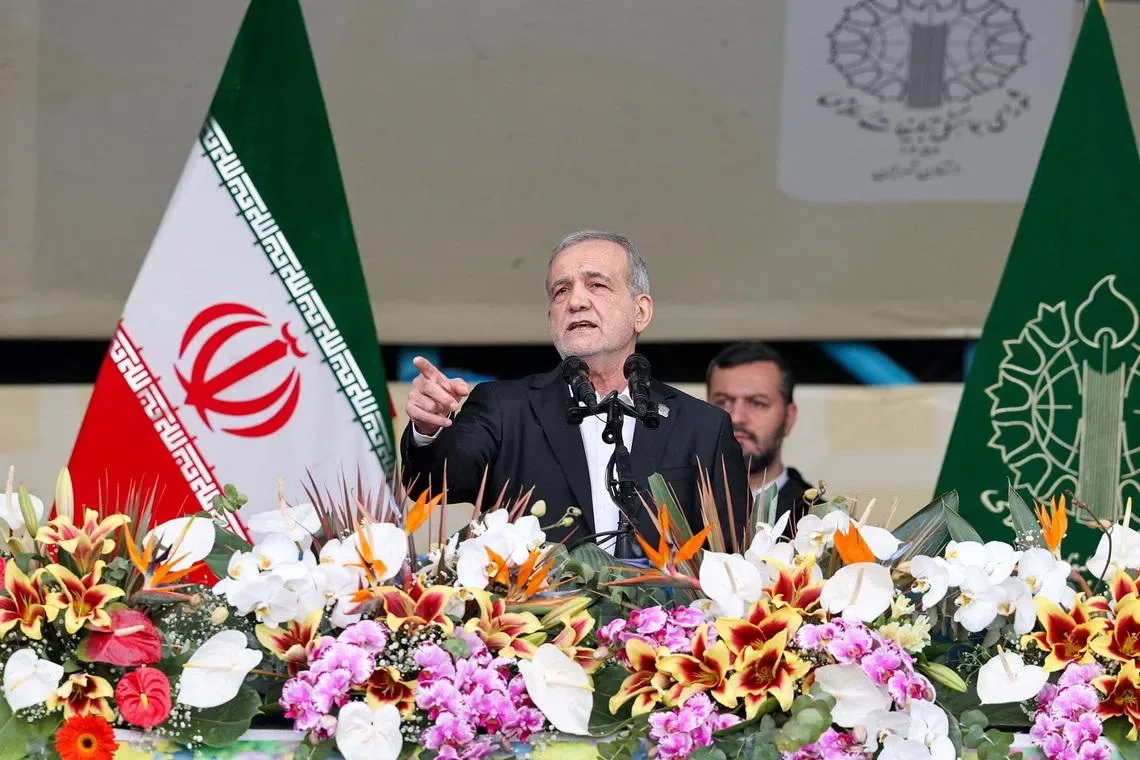
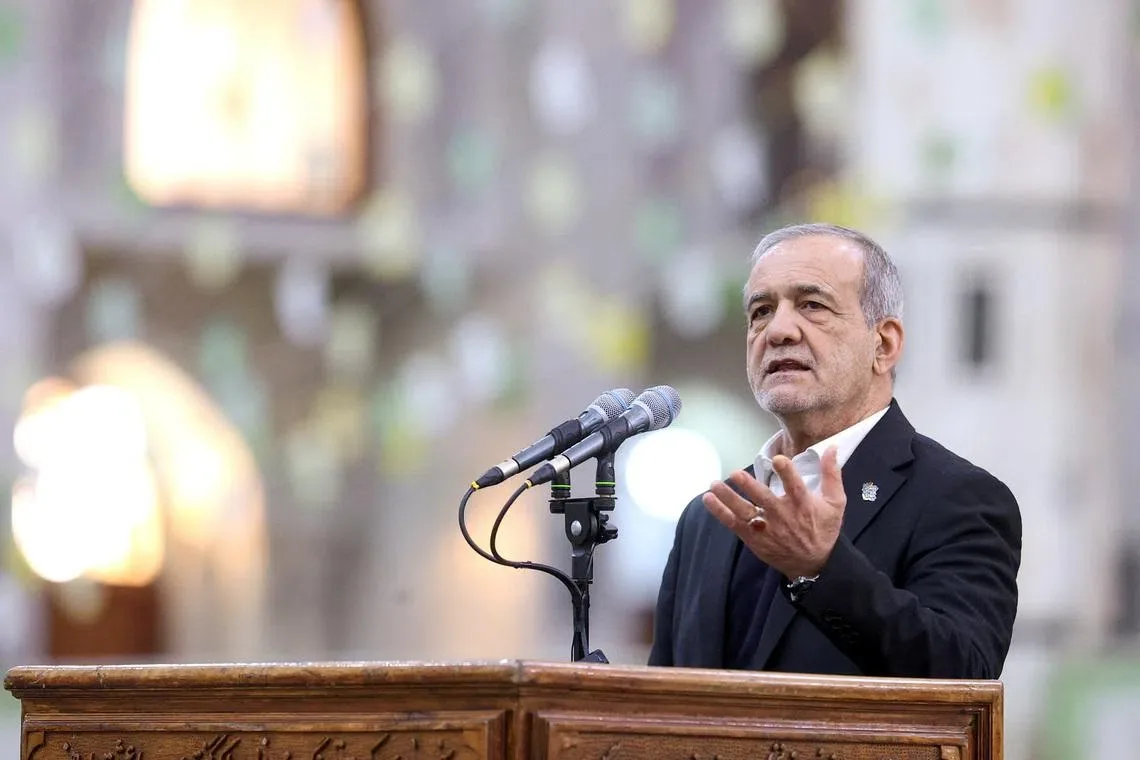
Iran’s First Vice-President Mohammad Reza Aref said, "The first step toward free and regulated access to cyberspace has been taken," emphasizing cautious optimism about reopening [1]. Iranian President Masoud Pezeshkian ordered the reopening of international internet access by May 25 [2, 8, 9]. However, a presidential body tasked with governing cyberspace, formed May 12, was suspended by the judiciary on May 26 hours after issuing the restoration order, raising questions about the process [8, 5]. Despite the suspension, monitoring groups confirmed the limited restoration took place [3, 5].
During the blackout, authorities imposed a tiered "internet pro" system allowing businesses and vetted groups to pay for better connectivity, but ordinary citizens relied on costly VPNs and satellite connections to access the global web [1, 8, 6, 7]. The shutdown severely hurt businesses dependent on social media and online platforms for sales, compounding economic hardship [10, 6].
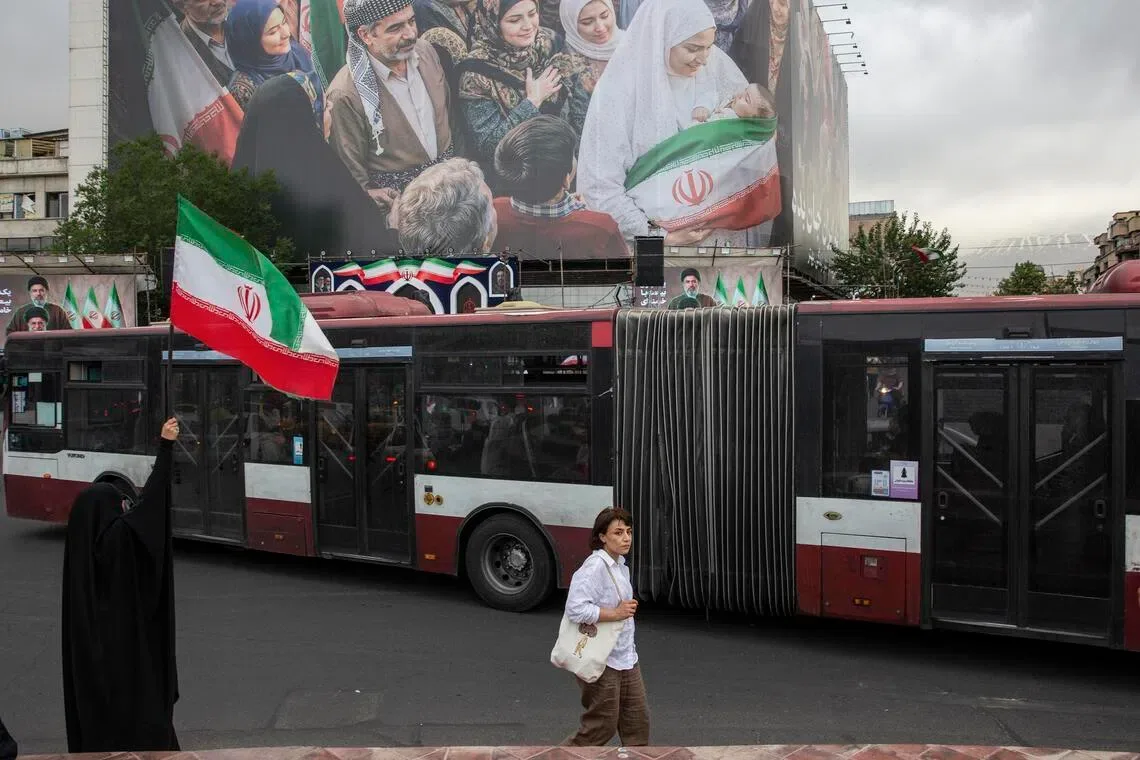
Iran Communications Minister Seyyid Sattar Hashemi said, "The Iranian people deserve free communication, a bright future, and a dynamic economy," pledging improved access as tensions continue between Iran, the US, and Israel since late February [10]. Some residents expressed skepticism. Tehran photographer Maryam called it "absurd" to celebrate limited reopening, calling the internet a "basic right," while artist Ellie described the first access as "a small taste of a much greater freedom after the fall of this regime" [6].
The Supreme National Security Council retains ultimate authority over internet restoration and controls remain tight, with many users still facing restrictions [8, 7]. Iran's staged reopening marks a crucial step after nearly 90 days offline, but full normal connectivity and freedom remain distant goals.