The Iran-US-Israel conflict started in late February 2026 with strikes on Iran that killed Supreme Leader Ayatollah Ali Khamenei and left around 1,700 civilians dead, according to reports [1]. The initial attacks devastated key Iranian infrastructure including airports, roads, factories, and petrochemical complexes, further crippling the country’s capabilities [1, 2].
Iran responded with ballistic missile attacks on Israel on June 7, citing Israeli attacks in Lebanon as justification [1, 2]. Israel retaliated the next day with strikes on Tehran and other Iranian cities, intensifying the violence [2]. Before the missile barrage, Iran and the US exchanged fire at night for over a week, while the US imposed a blockade that worsened Iran’s struggling economy [2].
The Strait of Hormuz, a vital corridor for Iranian oil exports, was effectively closed during the conflict, disrupting global oil flows and deepening Iran’s economic hardship [1, 2]. The blockade and destruction of industrial and petrochemical facilities further battered Iran’s financial stability.
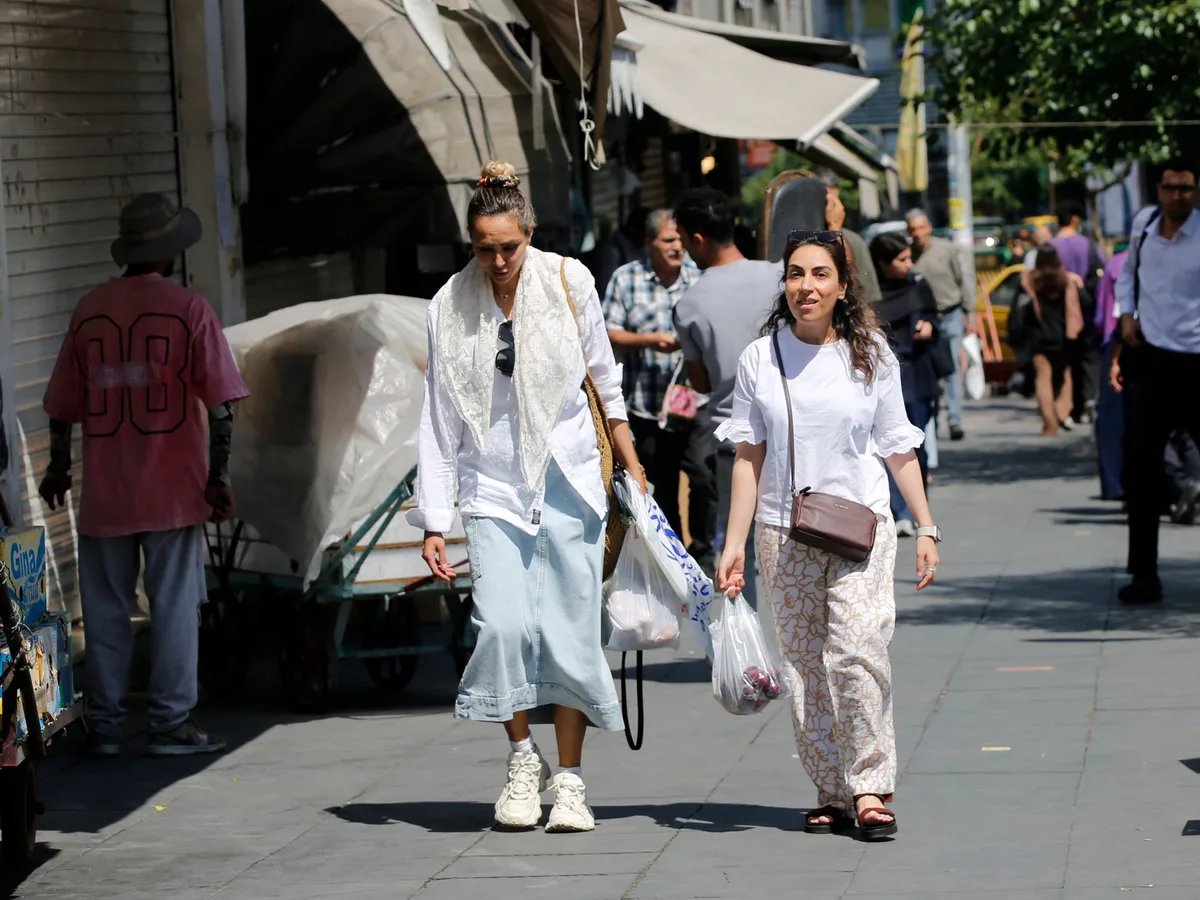
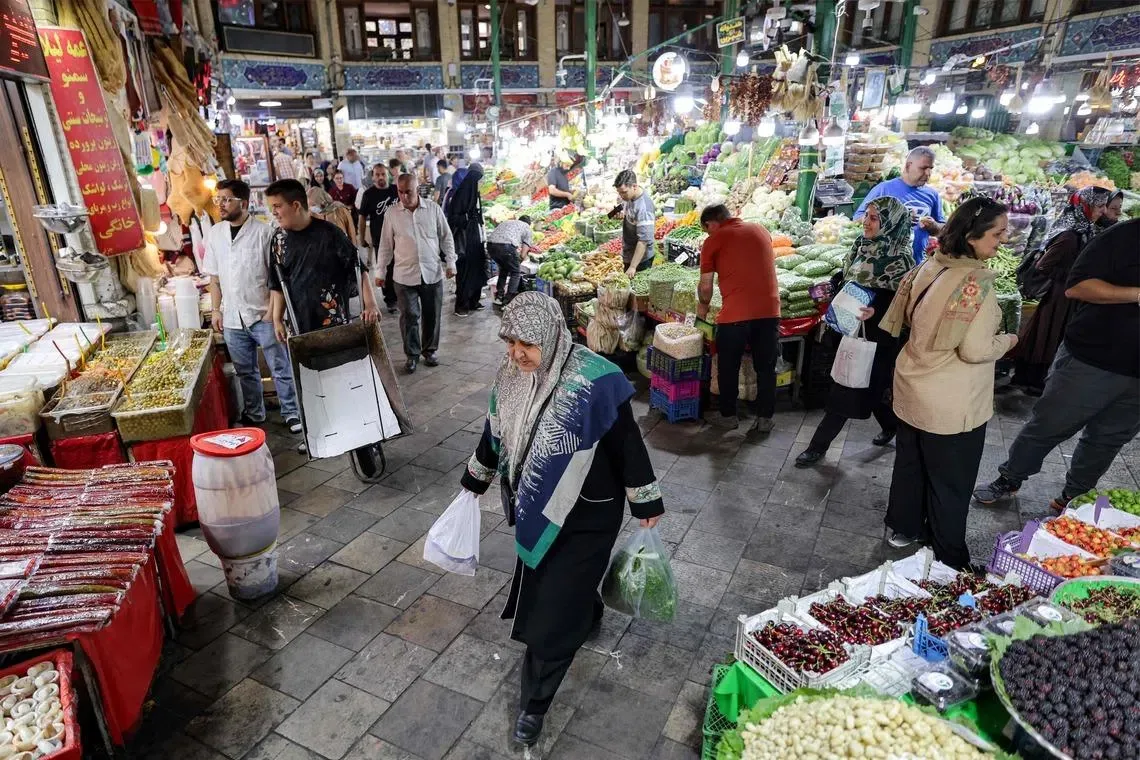
Public sentiment among Iranians is a mix of despair and anger over being caught in geopolitical struggles. A 25-year-old designer in Tehran, Kimia, said, “I’m angry. I feel alone. We don’t matter to the world at all; we’re seen only as tools for war and negotiation, while we are human beings” [1]. Another local worker remarked that despite the turmoil, “You get used to it at some level and eventually keep going about work and conversations like everything is normal, but the truth is that this is anything but normal” [2].
An engineer in Tehran questioned the war’s purpose, stating, “What was this all for? They bombed and destroyed our country... so they could bring Ahmadinejad? This shows the goal was never to make Iran better or free” [1]. Other Iranians expressed frustration at the conflicting narratives around peace efforts [2].
The conflict continues without a clear resolution, with ongoing exchanges of military action and economic pressure. The situation remains volatile as both sides maintain military postures and diplomatic tensions persist.