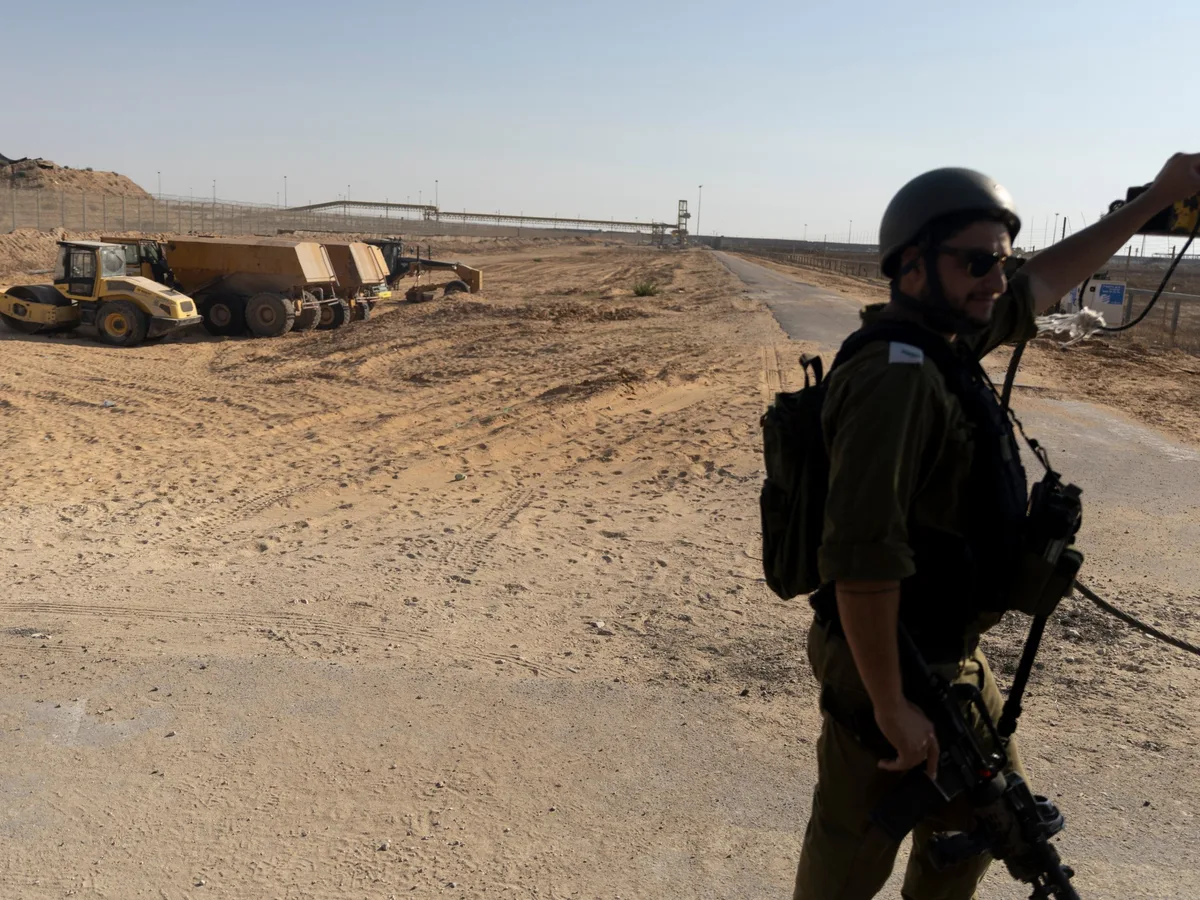
Israel's security cabinet approved the legal framework for a multinational International Stabilization Force to enter Gaza on July 26, 2026, as part of a US-led ceasefire and peace plan [1, 2, 3, 4]. The force will include around 200 members from friendly nations such as Uganda and Morocco [1, 2, 3, 4].
Each contingent requires individual Israeli approval before entering Gaza, where the force will deploy to areas not under direct Israeli control. Israel currently controls an estimated 64 to 70 percent of Gaza, which is home to nearly two million Palestinians living in restricted areas controlled by Hamas [1, 2, 3, 4].
The deployment aims to support humanitarian efforts, demilitarisation of Hamas, and civilian administration managed by Palestinian technocrats. The US President Donald Trump’s peace plan also features an international Board of Peace to oversee the framework and a National Committee for the Administration of Gaza (NCAG) acting as a civilian governing body outside the region [1, 2, 4].
Nickolay Mladenov, envoy for the Board of Peace, welcomed Israel’s decision. He called it "a critical part of the agreed framework for stabilizing Gaza, supporting demilitarisation, and enabling the transition to effective Palestinian transitional administration under the @NCAG" [1, 4].
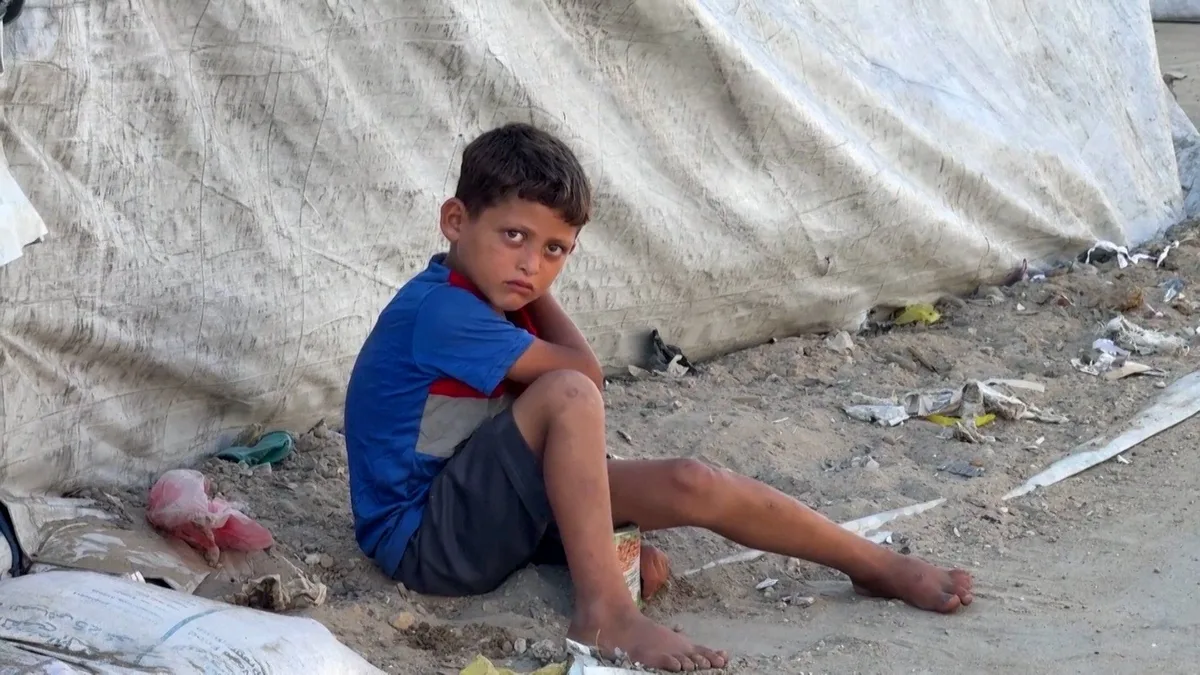
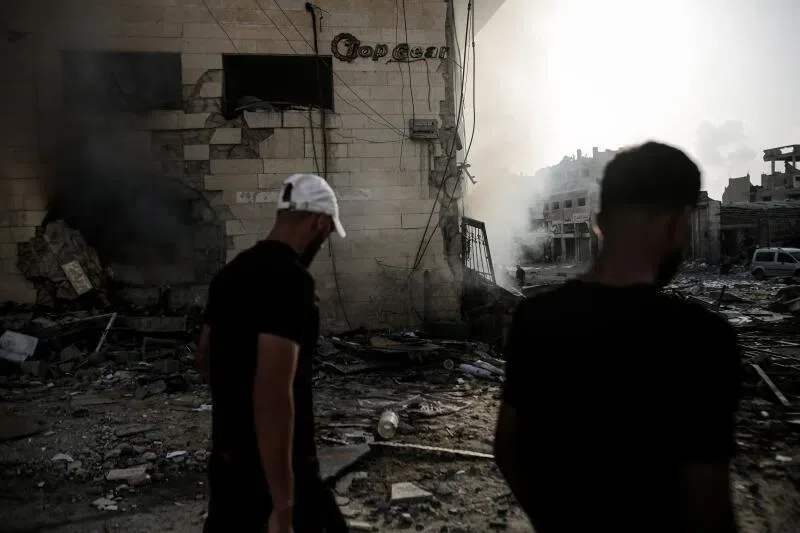
Displaced Palestinians in Gaza expressed cautious optimism about the international force, hoping it can help rebuild Gaza and facilitate their return after years of conflict and displacement [5]. However, reports indicate that since the ceasefire agreement in October 2023, Israeli military strikes and Palestinian casualties have continued, with over 1,200 Palestinians killed and nearly 3,900 wounded according to Gaza’s Ministry of Health [4].
The exact date for the deployment of the International Stabilization Force remains unclear [1, 2, 3, 4]. Israeli Prime Minister Benjamin Netanyahu was expected to travel to Washington in late July to meet President Trump shortly after the cabinet approval, signaling further diplomatic discussions ahead [1, 2, 3, 4].