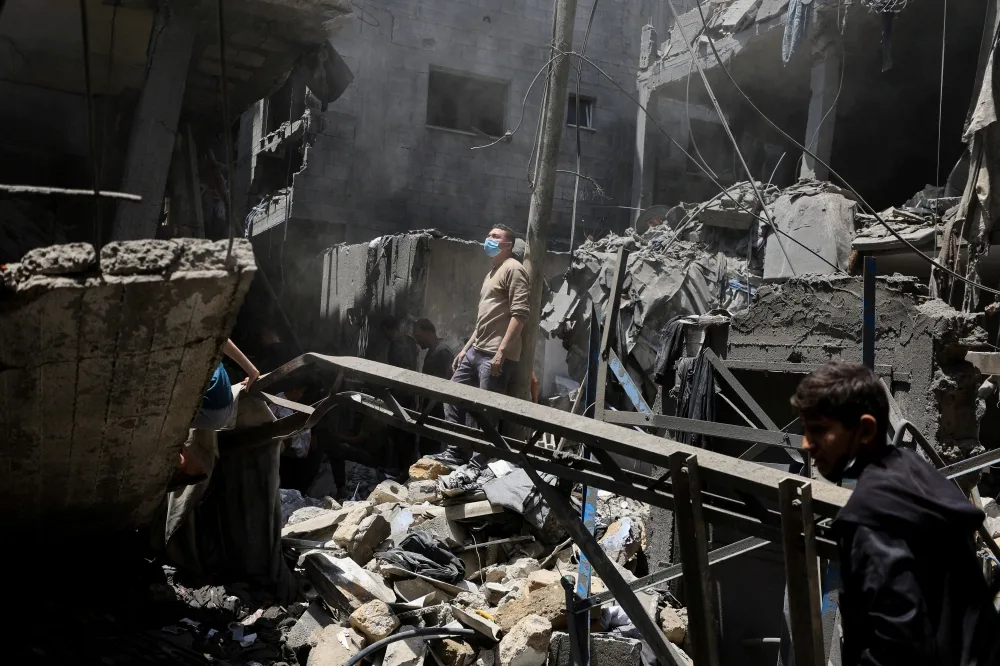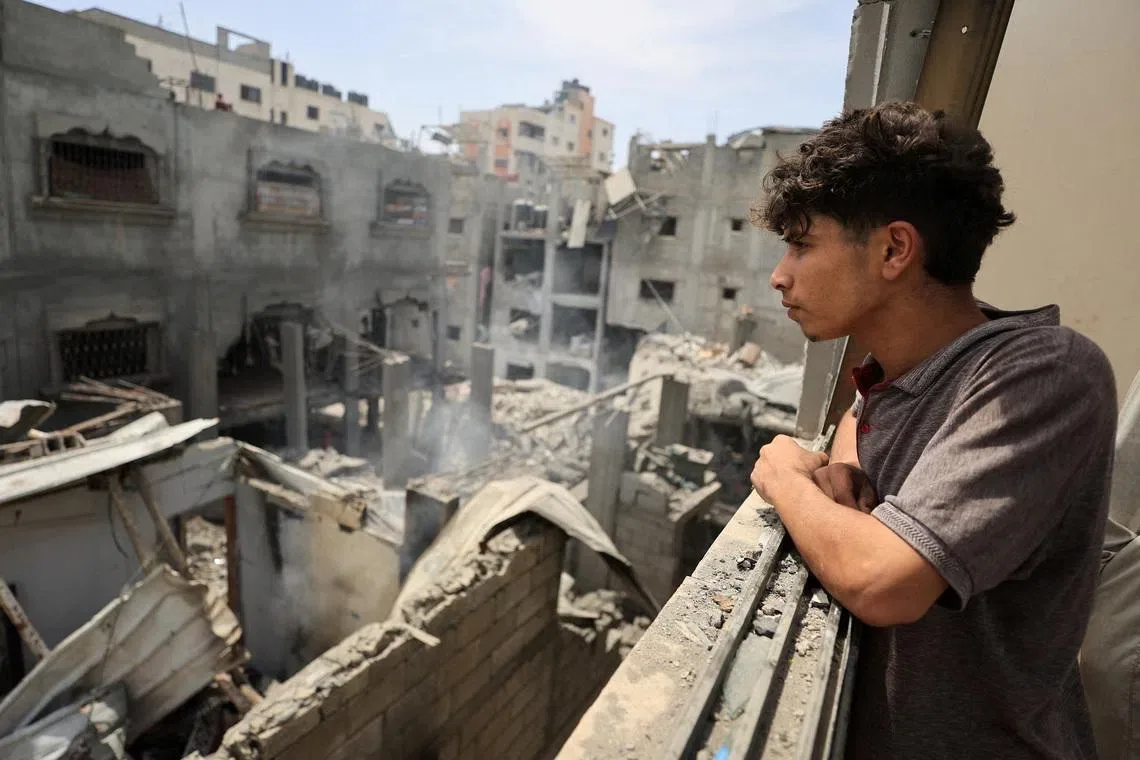
Israel has intensified its military operations in Gaza in the five weeks following a halt to joint bombing campaigns against Iran with the US on April 8, 2026 [1, 2]. According to conflict data from ACLED, Israeli strikes in Gaza rose by 35% in April compared to March 2026 [1, 2]. The Gaza Health Ministry reported 120 Palestinians killed in this period, including eight women and 13 children—a 20% rise in fatalities compared to the preceding five weeks when Israel was focused on Iran [1, 2].
Four Israeli defense officials told Reuters the military has warned Prime Minister Benjamin Netanyahu’s government that Hamas fighters are consolidating control, rebuilding their forces, and rearming in Gaza [1, 2]. An Israeli military official said the Gaza ceasefire allows Israel to respond to imminent threats. The military has prepared broader battle plans should fighting resume but has not received orders to launch any new operation [1, 2].
The ceasefire reached in October 2025 ended major fighting after two years of conflict but left progress on peace and reconstruction stalled [1, 2]. Israeli forces continue to occupy over half of Gaza, demolishing many buildings and ordering residents to leave [1, 2]. More than 2 million people remain in Gaza, largely in damaged or makeshift shelters, with Hamas retaining de facto governance over the territory [1, 2].
Lafi Al-Najjar, a 36-year-old blind Palestinian whose son was killed in an Israeli strike on April 28, said, "The war is still ongoing. It stopped in the announcement, but in reality and on the ground, the war has not stopped" [1].
The next concrete milestone includes ongoing monitoring of Israeli military plans and the fragile ceasefire, as no new orders for major operations have been given so far [1, 2].