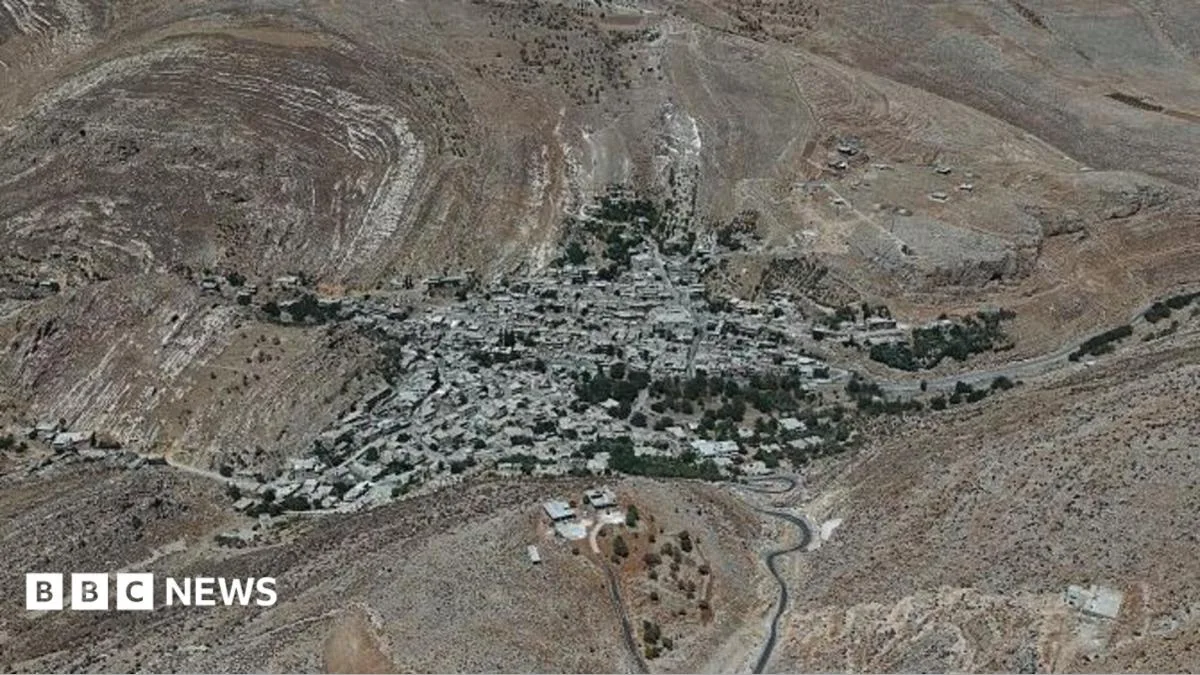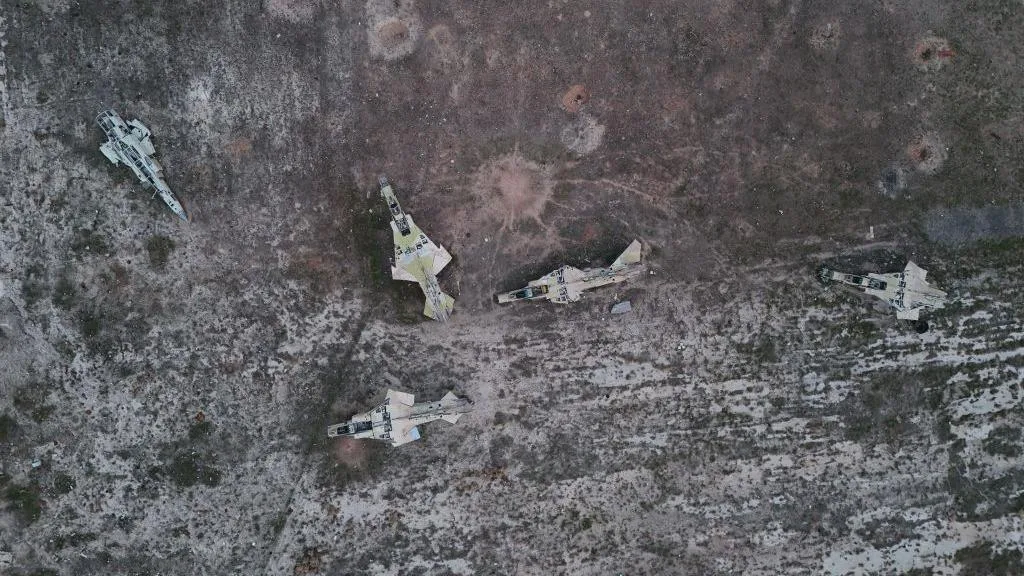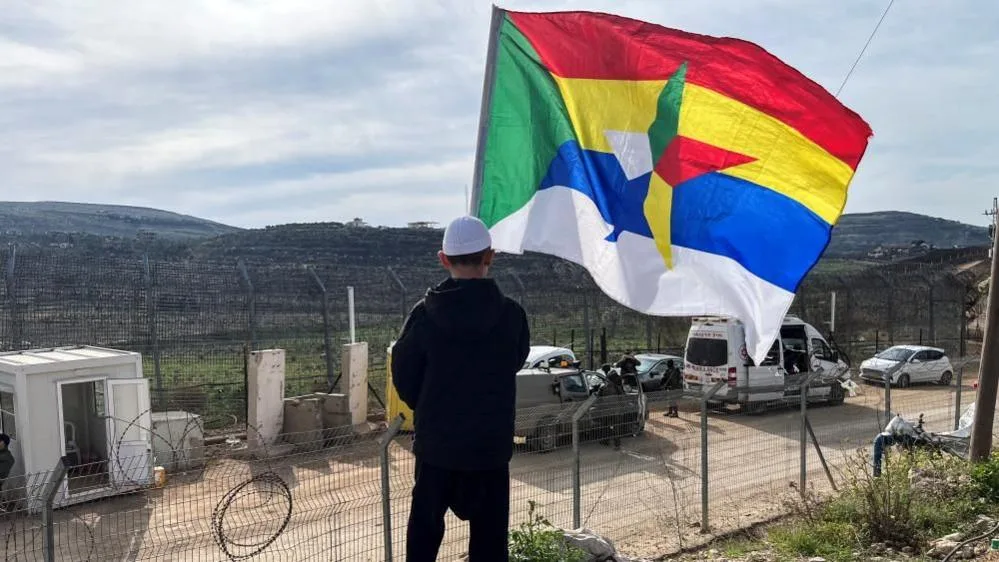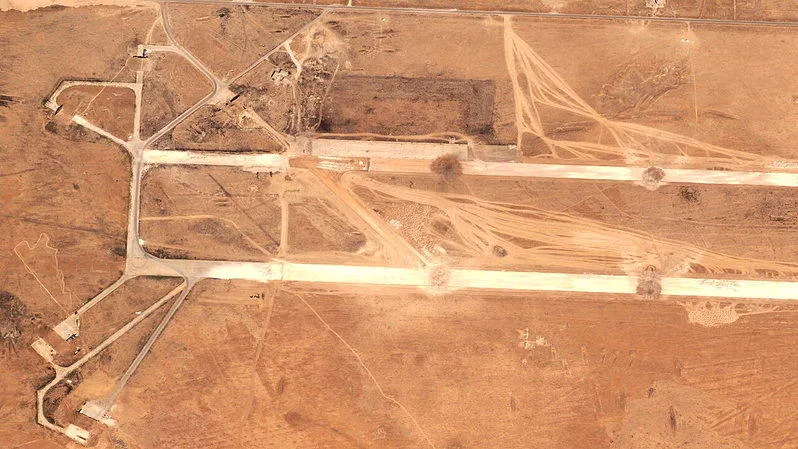
Israel conducted a drone strike on August 22 targeting a civilian vehicle near Beit Jinn, southwest of Damascus, injuring one person, according to multiple sources [1, 2, 3, 4, 5, 6, 7, 8]. Israeli authorities described the target as a “terrorist” posing an immediate threat to Israeli soldiers but did not disclose details on weaponry or attack methods [1, 2, 3, 4, 5, 6, 7, 8]. This was Israel's second known strike on Syrian soil within one week. On August 18, Israel bombed the Abu al-Duhur airbase in northwest Syria, near the Turkish border [1, 4, 5, 9, 7]. The airbase, located approximately 70 km from the Turkish border, has been out of service since 2013 and was taken over by rebel forces in December 2024 following the overthrow of Bashar al-Assad [1, 7].
Israel alleges that Syria allowed Turkey to deploy troops at Abu al-Duhur airbase, threatening Israeli security. Turkey denies these claims, while Syria says the base is not a Turkish military site but acknowledges Turkey provides military training [1, 4, 5, 9, 6]. Israeli Prime Minister Benjamin Netanyahu said Israel and Syria agreed on a security status quo that Syria was close to breaching by allowing Turkish troop deployment near Aleppo [1].
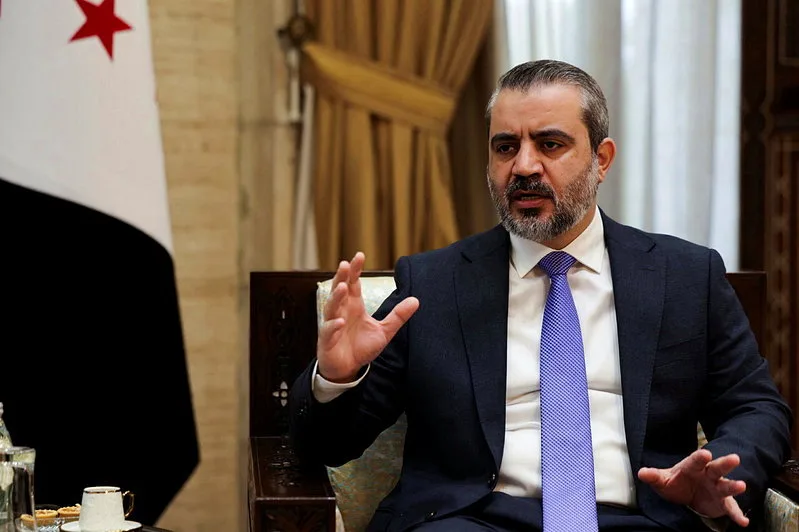
Syria condemned the August 22 drone strike as a blatant violation of its sovereignty and international law, labeling it part of repeated Israeli attacks on its territory [1, 2, 3, 4, 5, 7, 8]. Syrian Foreign Minister Asaad al-Shaibani called for restoration of security talks despite severed communications following the August 18 attack and denied Turkish troop presence at the airbase [4].
The strikes have escalated regional tensions. U.S. envoy to Syria Tom Barrack criticized Israel, suggesting the attacks may be intended to provoke Turkey ahead of Israeli elections. He warned any Israel-Turkey conflict could trigger catastrophic consequences, including regional war [1, 2, 4, 5, 9, 6, 10]. Israeli Defence Minister Israel Katz rejected Barrack's claims as inaccurate, asserting that operations were based on credible intelligence and that information had been shared with the U.S. and Syria's transitional government [1, 4, 5, 9, 6]. Katz said, "The comments by Tom Barrack are full of inaccuracies. Israeli forces acted in light of clear intelligence information about Turkey's intentions" [1].
On August 23, high-level Israeli and Syrian officials met to try to reduce tensions after the airbase strike [11, 10]. The same day, Israel, Syria, and Turkey agreed to set up a joint security committee under U.S. and Jordanian supervision aimed at lowering conflict risks after recent escalation [10].