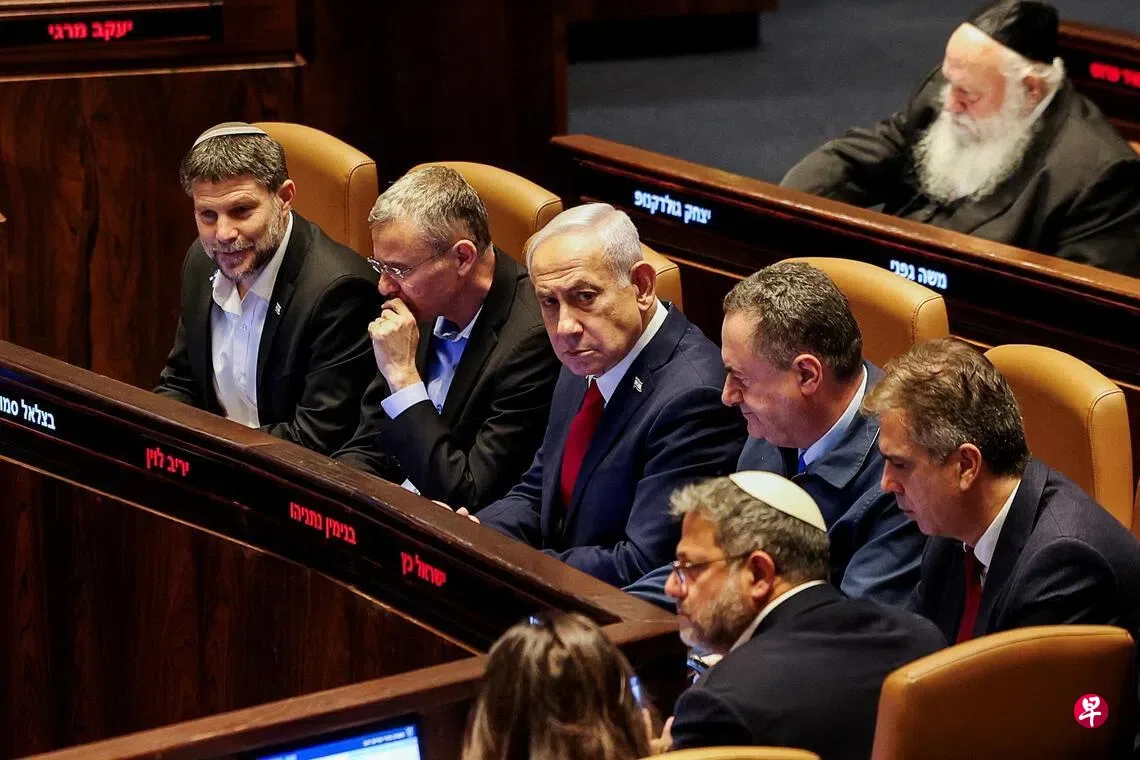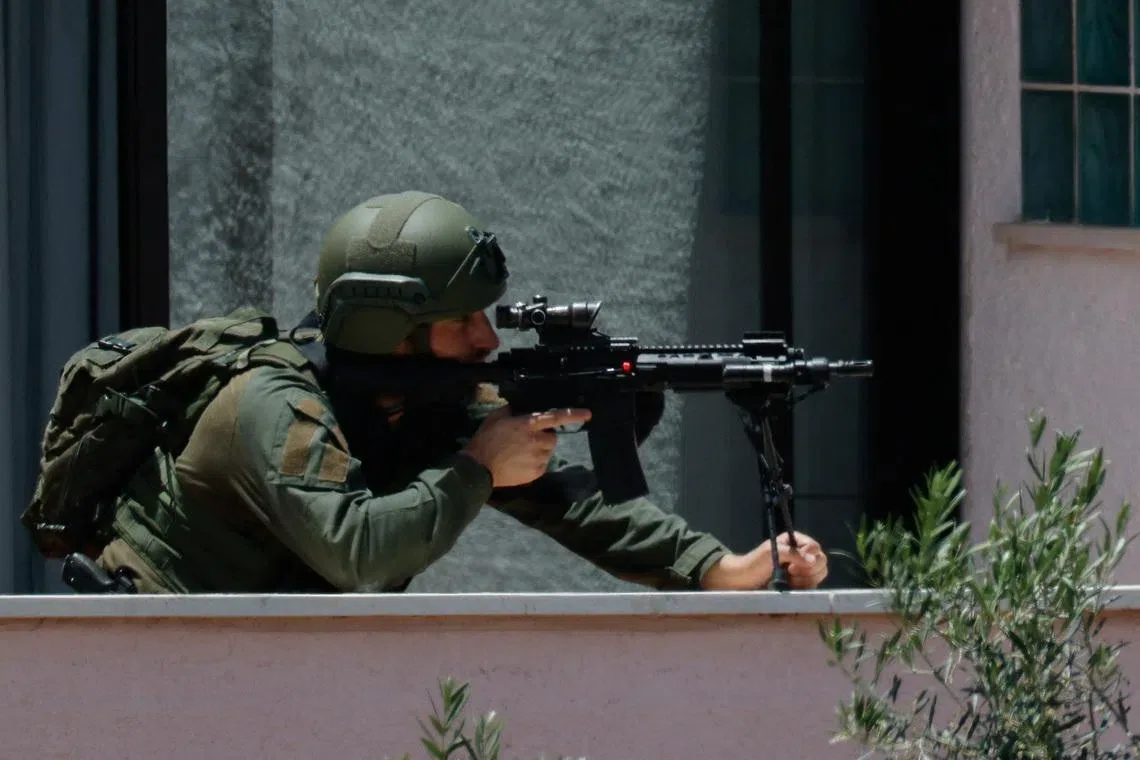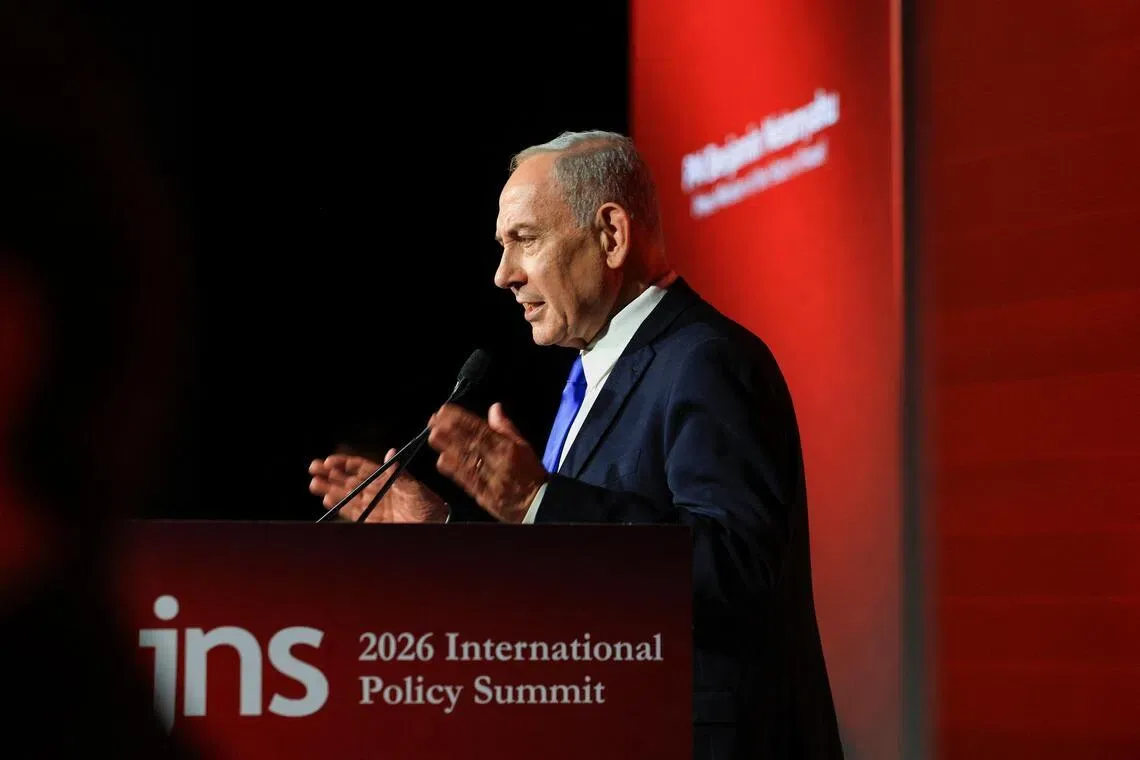
Israeli military forces remain deployed about 10 kilometers into southern Lebanon to protect northern Israeli communities and counter threats, Israeli officials confirmed this week [1, 2, 3, 4]. Israeli Prime Minister Benjamin Netanyahu said on June 21 that troops will stay "as long as necessary" to safeguard Israeli citizens. He declared, "Nothing will alter that commitment" and stressed Israel will block Iran from acquiring nuclear weapons while he remains prime minister [5].
Defence Minister Israel Katz backed Netanyahu’s position, affirming on June 21 that the Israeli Defense Forces (IDF) will not withdraw from the southern Lebanon security zone. Katz said Israeli forces maintain operational freedom to strike terrorist targets inside Lebanon from the zone along the Israel-Lebanon border [1, 3, 6, 4, 7]. He described the military campaign as preserving all achievements and operating inward against terrorists and their infrastructure [1].
The IDF’s continued presence follows deadly clashes starting June 19 between Israel and Hezbollah, which have undermined a recent US-Iran framework agreement to cease hostilities, including in Lebanon [8]. On June 20, Israeli strikes in Lebanon killed at least 20 people after Hezbollah fired projectiles at northern Israel [1].
Hezbollah leader Naim Qassem sharply rejected the Israeli security zone and called for a full timetable for Israeli troop withdrawal. On June 23, Qassem stated a ceasefire exists but warned Israel must relinquish all Lebanese territory, "without retaining an inch" [8]. He also declared in Arabic that Israel’s forces have no legitimate right to remain on Lebanese soil and called them invaders who must leave [9].
Lebanese President Joseph Aoun also denounced Israeli occupation and foreign interference during talks in Washington [8].
The United States and Iran signed a framework agreement on June 21 in Switzerland pledging a permanent halt to all military actions, including in Lebanon [1, 2, 3, 4]. However, Israel said the US has not asked it to withdraw troops and Israeli officials communicated their intent to stay in southern Lebanon [7]. Iran meanwhile warned Israeli actions contradict the US-Iran deal and pushed for a full cessation of hostilities in Lebanon [3, 6].
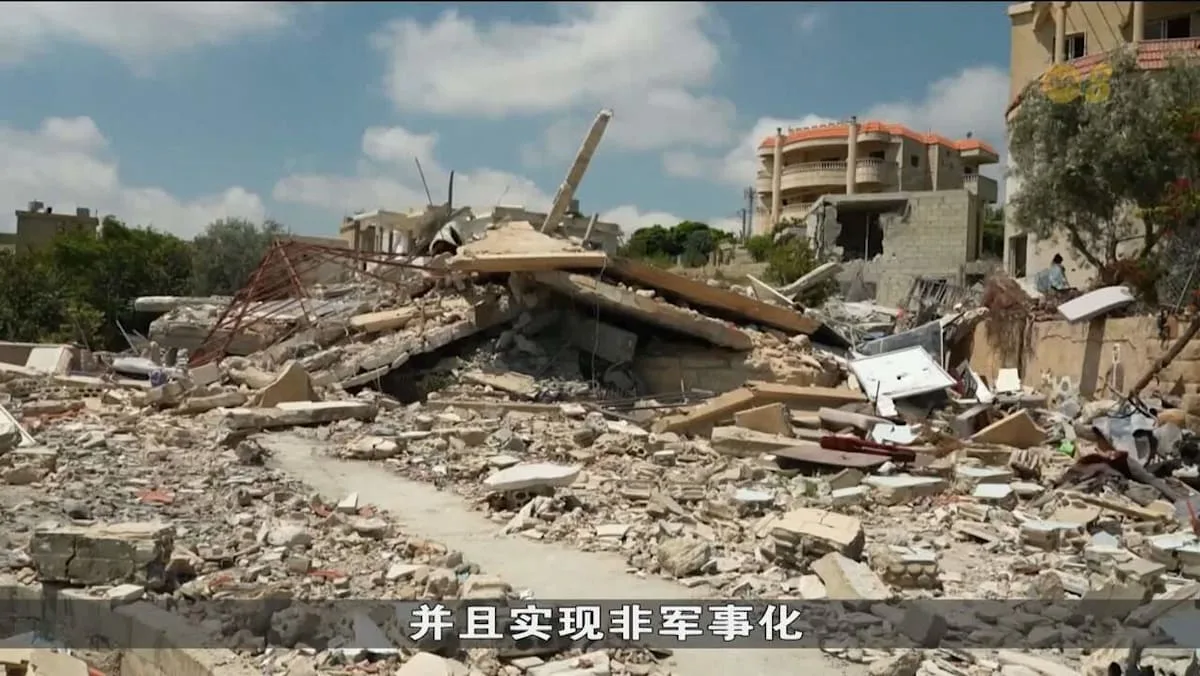
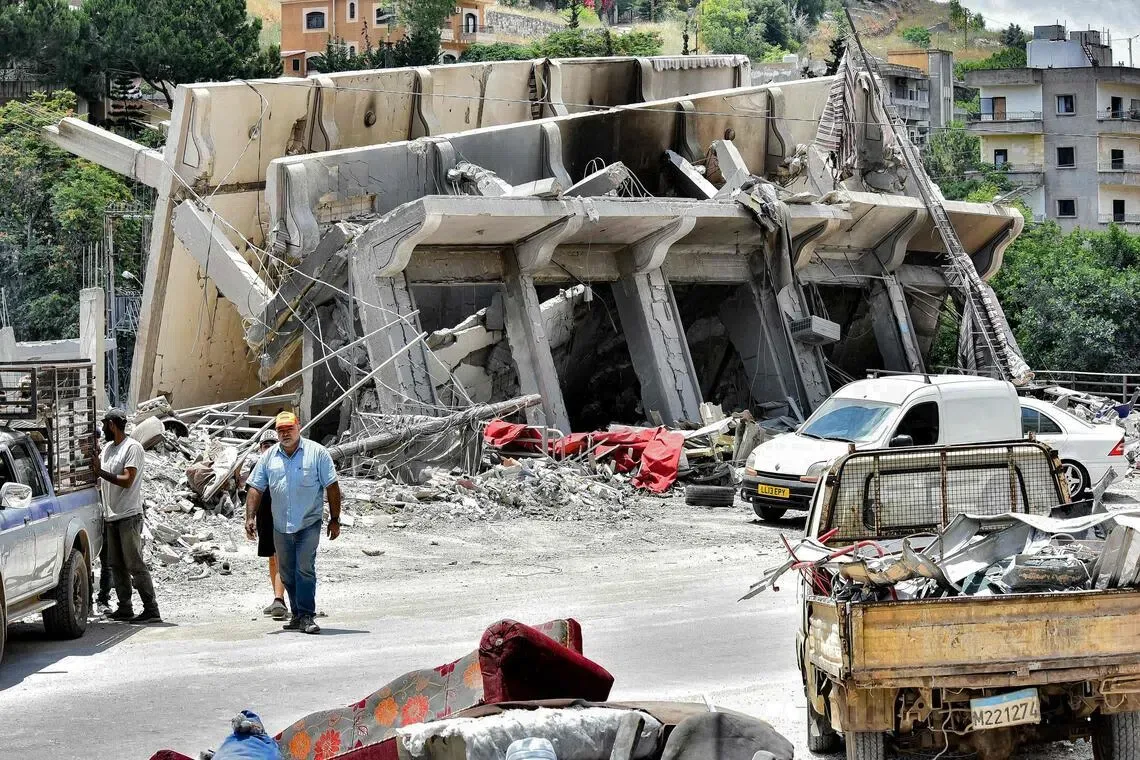
The ongoing conflict since February has displaced over 1.2 million people inside Lebanon and destroyed more than 90,000 buildings, compounding the humanitarian toll [10].
Israeli military officials re-affirmed on June 22 that operations continue in southern Lebanon following a security meeting [2, 4]. The situation remains volatile as both sides hold firm, with Hezbollah demanding timelines for withdrawal and Israel insisting on security assurances before any pullback.
A key next development will be follow-up discussions on regional security after the US-Iran framework agreement. Israeli officials and their international counterparts are expected to review the ceasefire status and any conditions for troop redeployments amid the persistent conflict in southern Lebanon.