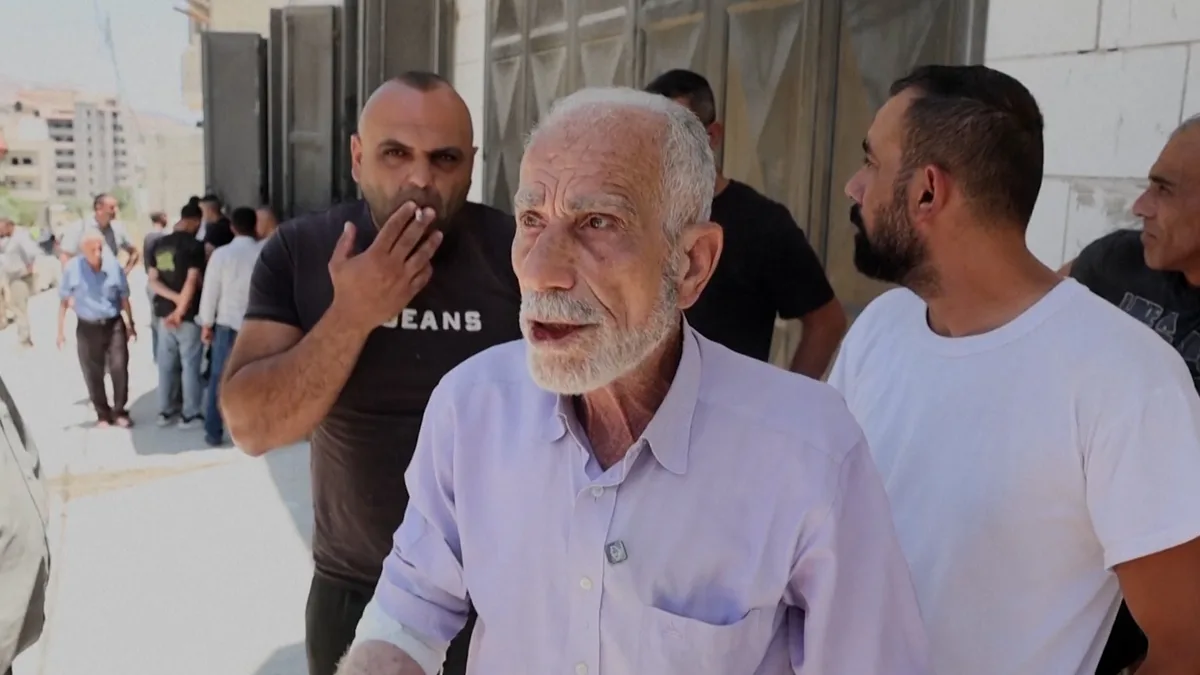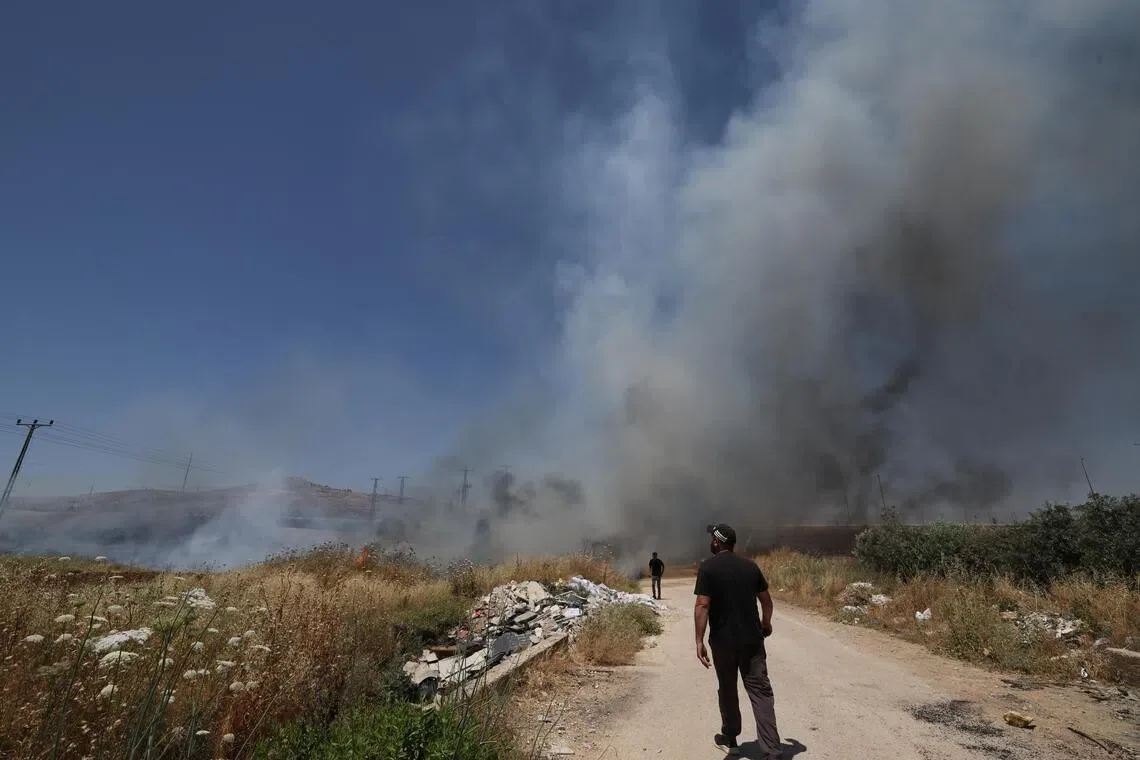
Israeli settlers set fire to Palestinian crops near the village of As-Sawiyah in the West Bank on June 5 and again on June 6, 2026, Palestinian sources reported [1, 2]. Hamad Jazi, a local farmer, said, "The settlers have set fires twice already – yesterday and the day before" [1].
Settler attacks have increased sharply in 2026, with an average of six attacks daily across the West Bank, making this one of the most violent years to date [1, 2]. Palestinian farmers are forced to harvest their crops hastily to avoid further damage or loss. Jazi said, "If you think back 10, 15 or 20 years ago, this season used to be a season of abundance. Today, you are racing against time just to harvest quickly and leave" [1].
The settler violence goes beyond arson; it also includes vandalism, harassment, theft, and physical attacks. A 75-year-old Palestinian farmer was threatened with death and physically attacked by settlers, who also harassed his livestock [3]. According to the Palestinian Authority’s Agriculture Ministry, settlers killed or stole 8,000 goats or sheep in 2026 in the West Bank [1, 2].
In addition, 41,000 olive trees have been damaged by settlers or Israeli military actions during 2026, causing significant agricultural losses [1, 2]. Palestinian farmers sometimes describe themselves as forced to "steal" back their own crops to protect their livelihoods. Jazi said, "Now, we live those moments like thieves. We go and ‘steal’ our own olives or our own crops" [2].
The West Bank is home to over 500,000 Israeli settlers living alongside approximately 3 million Palestinians, in settlements deemed illegal under international law [1, 2]. Opposition critics accuse Prime Minister Benjamin Netanyahu’s government and far-right allies of ignoring or enabling settler violence [1, 2].
The repeated arson attacks near As-Sawiyah are the latest in a series of incidents in 2026, reflecting continuous settler aggression in rural West Bank areas [1, 2]. Palestinian farmers face escalating threats as the planting and harvesting seasons progress.