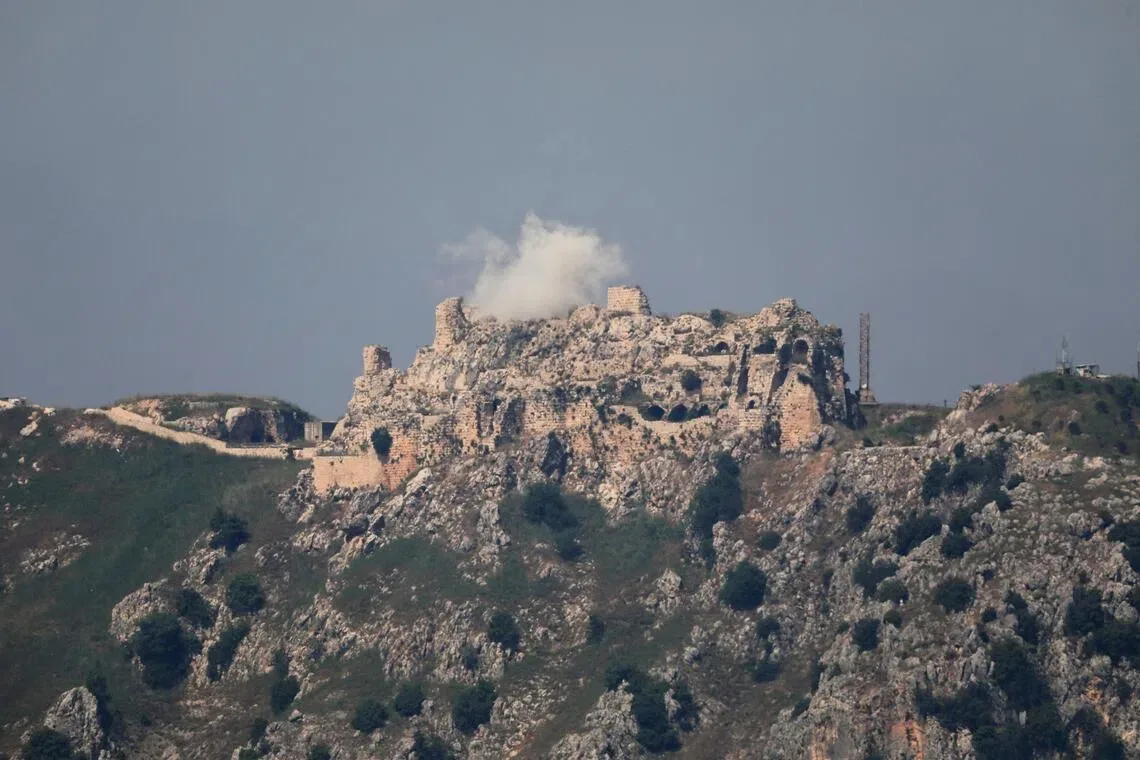
Israeli forces attacked buildings near Tyre’s archaeological area on May 28, causing visible smoke and fires close to several UNESCO-protected heritage sites in southern Lebanon, including the ancient city of Tyre and the Beaufort castle in the Nabatieh district [1]. Lebanese authorities strongly condemned the strikes. Prime Minister Nawaf Salam said, "nothing can justify the ongoing attacks on the Tyre and Nabatieh regions and the destruction of their historical landmarks" [1]. Culture Minister Ghassan Salame added that "a large number of these sites enjoy enhanced protection from UNESCO, making it necessary to protect them from any Israeli air or artillery attack" [1].
The municipality of Arnoun condemned attacks on the Beaufort castle, blaming Israeli bombardment and calling for protection of the site [1]. Smoke was seen rising near the castle after artillery fire on May 27, a day before the air strikes near Tyre’s archaeological areas [1].
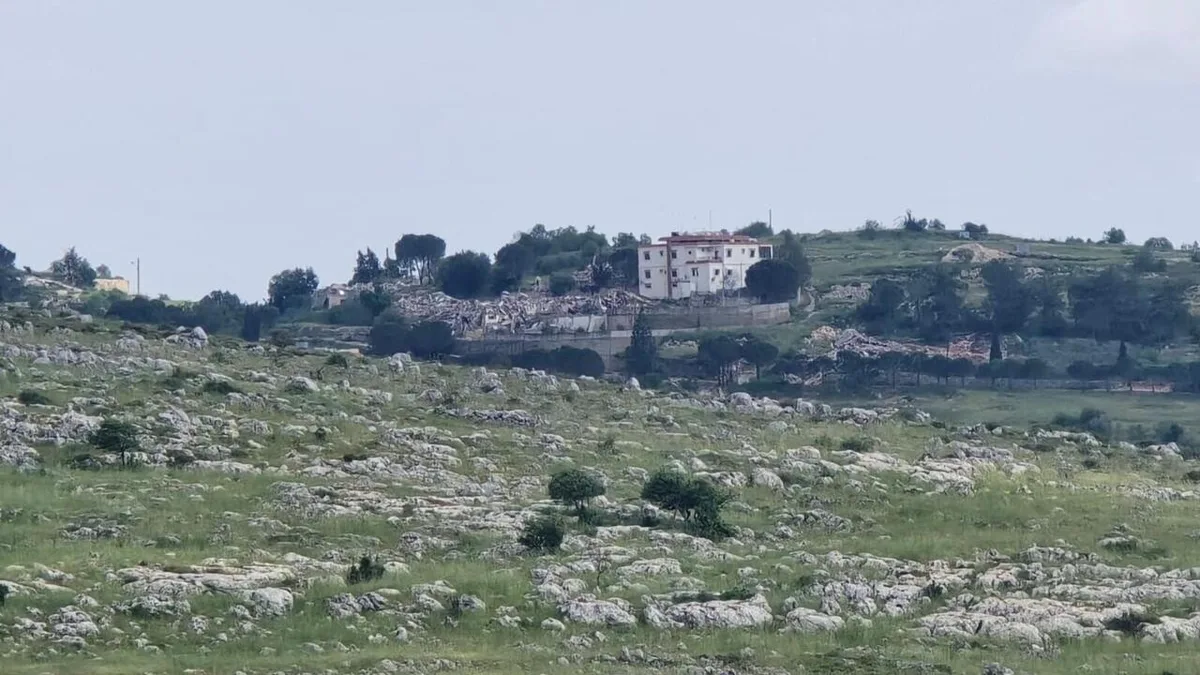
UNESCO granted provisional enhanced protection status to 34 Lebanese heritage sites in November 2024, including Tyre and Beaufort castle, under the 1954 Hague Convention, which regards non-compliance as a serious violation [1]. In April 2026, UNESCO added 39 more Lebanese sites to its enhanced protection list [1, 2]. Despite the protections, the Shia Muslim Shamoun al-Safa shrine, dating from the 11th century, was destroyed in an Israeli air strike on April 13, 2026. It had been partially restored after damage in 2024 [2]. Hicham Younès, founder of the Lebanese NGO Green Southerners, lamented, "UNESCO has put 39 Lebanese sites on its list for enhanced protection, but that hasn't changed anything. The shrine of Shamoun al‑Safa and the citadel of Chamaa were already on the list, but that didn't protect them. The shrine and the minaret were demolished by excavators" [2]. The Green Southerners also documented destruction of the citadel of Chamaa and a convent in Yaroun, which housed a school run by Catholic nuns [2].
The Israeli military said demolitions targeted buildings allegedly used by Hezbollah for military purposes, such as observation posts and weapons storage [2]. However, the Lebanese NGO’s report on the convent’s demolition in Yaroun was disputed by the Israeli foreign ministry, which provided a photo of a nearby medical clinic claiming the convent was untouched [2].
The last major strike near Beaufort castle was on May 27, followed by the May 28 attack near Tyre’s archaeological sites [1]. Lebanese officials and NGOs continue to call for respect of heritage sites while the Israeli military maintains its focus on targeting Hezbollah-linked structures.