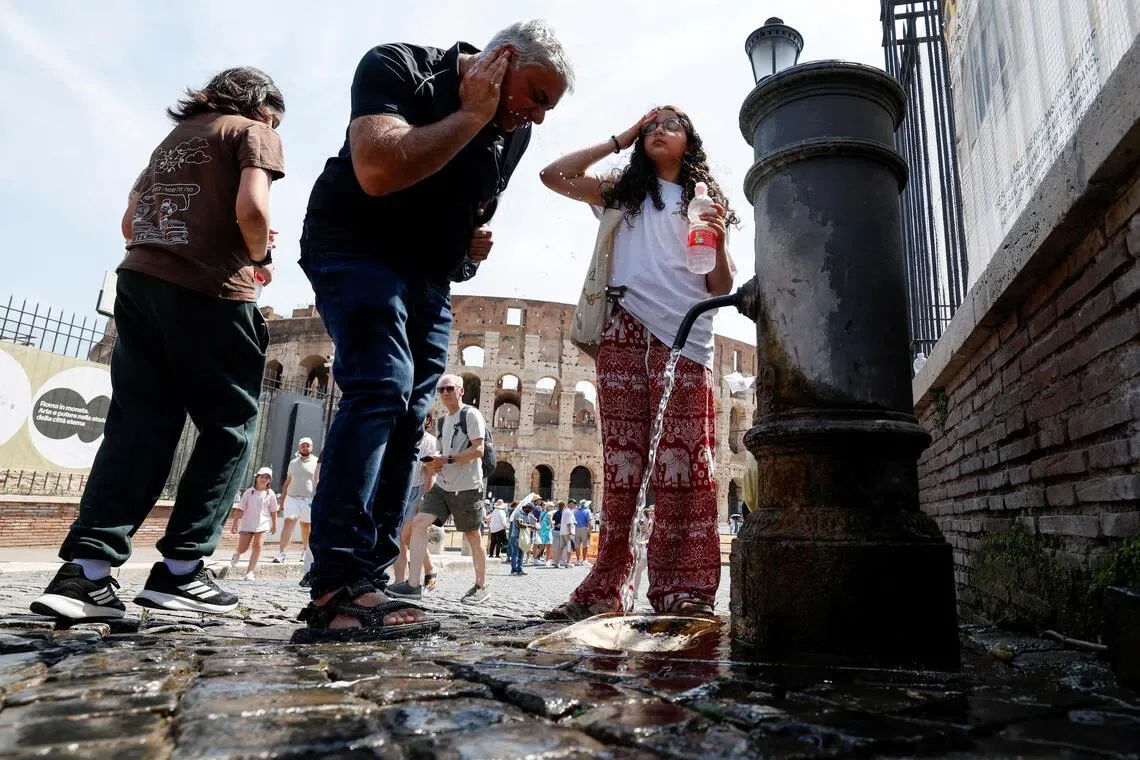
Italy imposed the highest heat alert level—red alert—on all 27 major monitored cities beginning August 6, 2026, as temperatures soared above 35°C and posed serious health risks to the population nationwide [1, 2, 3, 4]. Portions of the country experienced temperatures exceeding 40°C on the same day, with forecasts predicting the heatwave will persist at least until mid-August [1, 2, 3, 4].
The cities under red alert range from Palermo in Sicily to Bolzano in the north. Bolzano is the only city expected to drop off red alert status on August 7, while all others remain affected [1, 2, 3, 4]. The Italian Health Ministry cautioned that the warning "indicates a potential health emergency with prolonged high temperatures posing a serious health risk to the entire population" [1].
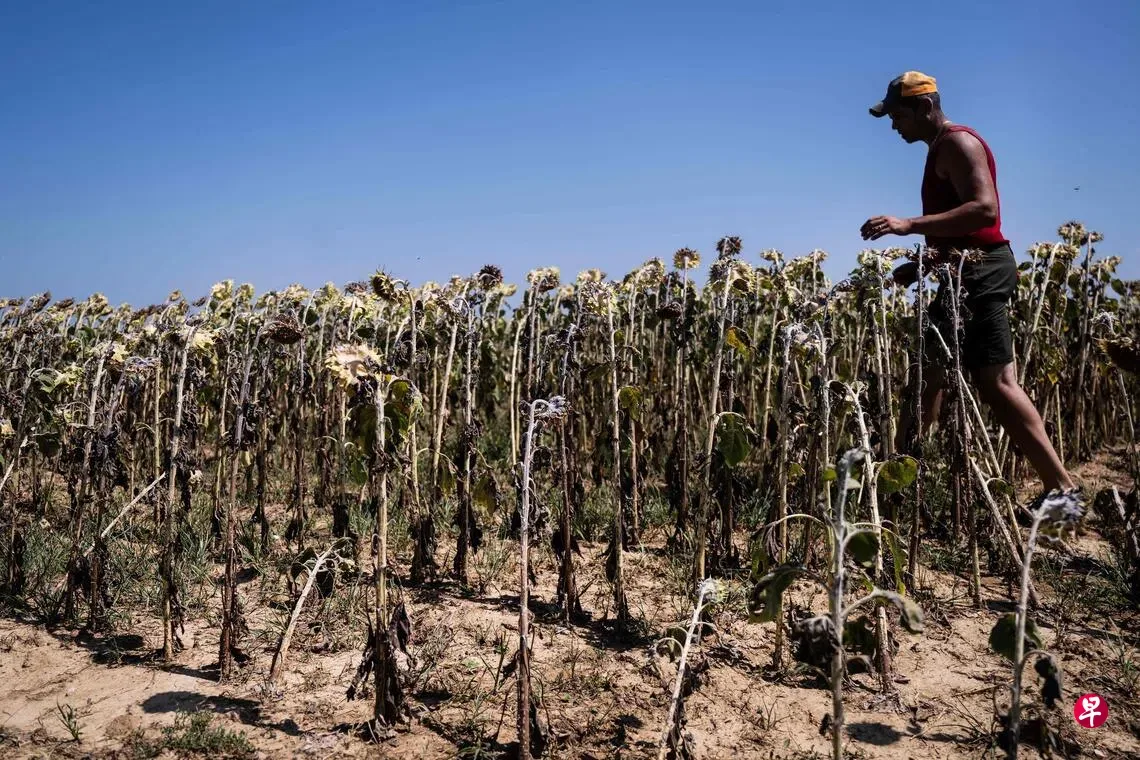
The heatwave is fueled partly by a North African anticyclone, which brings humid and sultry air especially to central and southern regions [4]. Italy is also facing severe drought from record low water levels in major rivers and lakes, including the Po River and Lake Maggiore, worsening water scarcity [1, 3].
The prolonged hot, dry conditions have contributed to extensive wildfires that have burned nearly 70,000 hectares across the country this summer [2]. Local authorities have introduced measures to aid vulnerable residents. In Genoa, people aged 65 and older may enter museums and libraries free during the hottest hours. Rome extended free air-conditioned cinema screenings for residents through August 14 to help offset the heat's impact [1, 2].
The heatwave's intensity mirrors extreme heat events seen earlier in Europe, such as on August 5 when Austria set a national temperature record of 41.2°C, signaling the weather system's expansion toward Italy [1].
As the red alert remains in full effect today across most cities, authorities continue monitoring conditions and updating safety measures in response to ongoing extreme heat [2, 3, 4]. Rome’s free cinema screenings for vulnerable groups will continue until August 14 [1, 2].