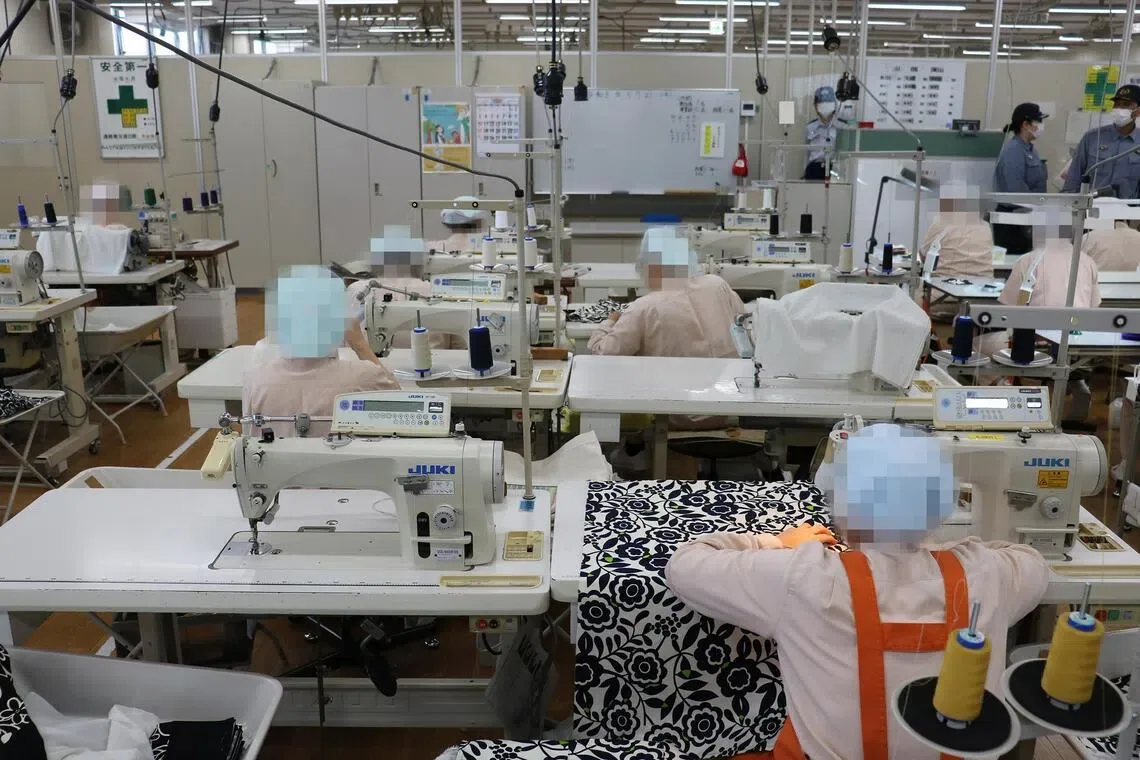
Japan implemented its first penal code revisions since 1907 in June 2025, marking a shift from punishment toward rehabilitation and reintegration of inmates. [1, 2, 3] The reforms abolished the dual system of mandatory and optional prison work, replacing it with a unified incarceration model that allows more individualized treatment. [3] Makoto Tadaki, professor of criminal law at Chuo University, said the changes "made it possible to combine work and guidance more flexibly and to create more time for other forms of treatment." [3]
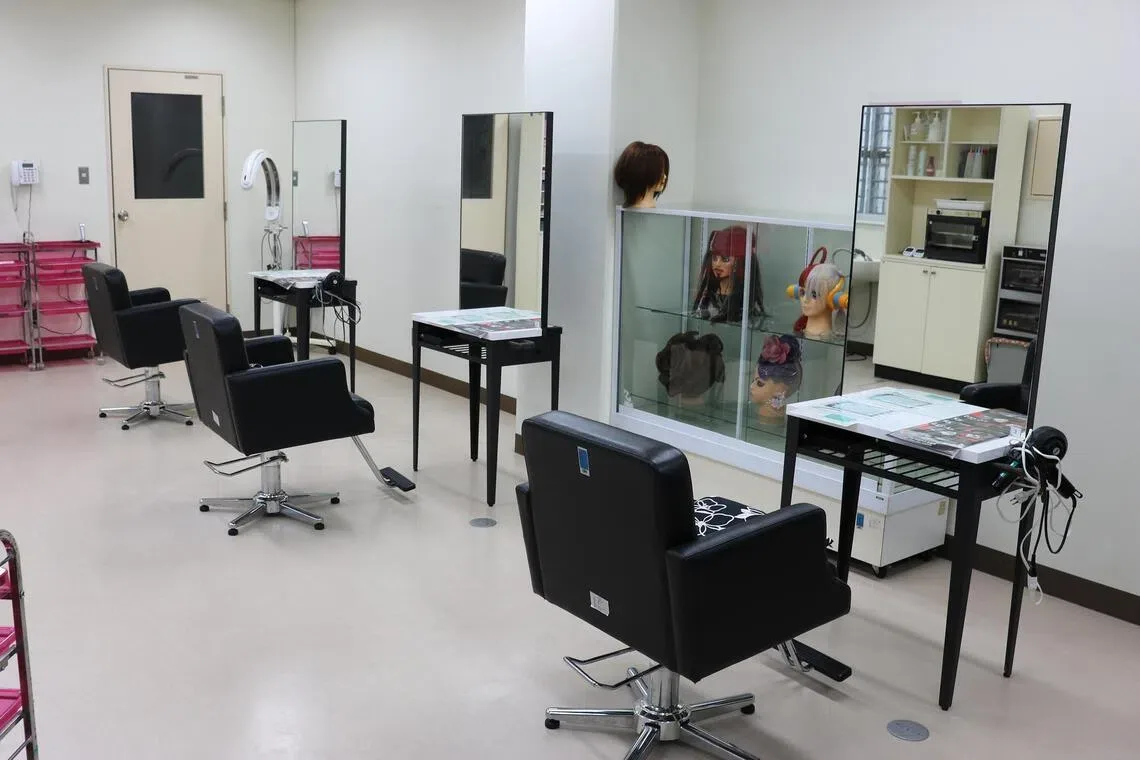
Despite the reforms, prison work remains central to inmates’ daily life. Prison warden Kiyochika Miyoshi stated, "The reform has not changed the central role of work in daily prison life." [3] At Tochigi Women’s Prison, the largest female facility in Japan with 456 inmates as of May 21, 2026, inmates work Monday to Friday from 7:40 a.m. to 4:30 p.m., with breaks. [1, 2, 3] Work tasks include sewing, origami folding, kitchen duties, laundry, and wheelchair repair. [3]
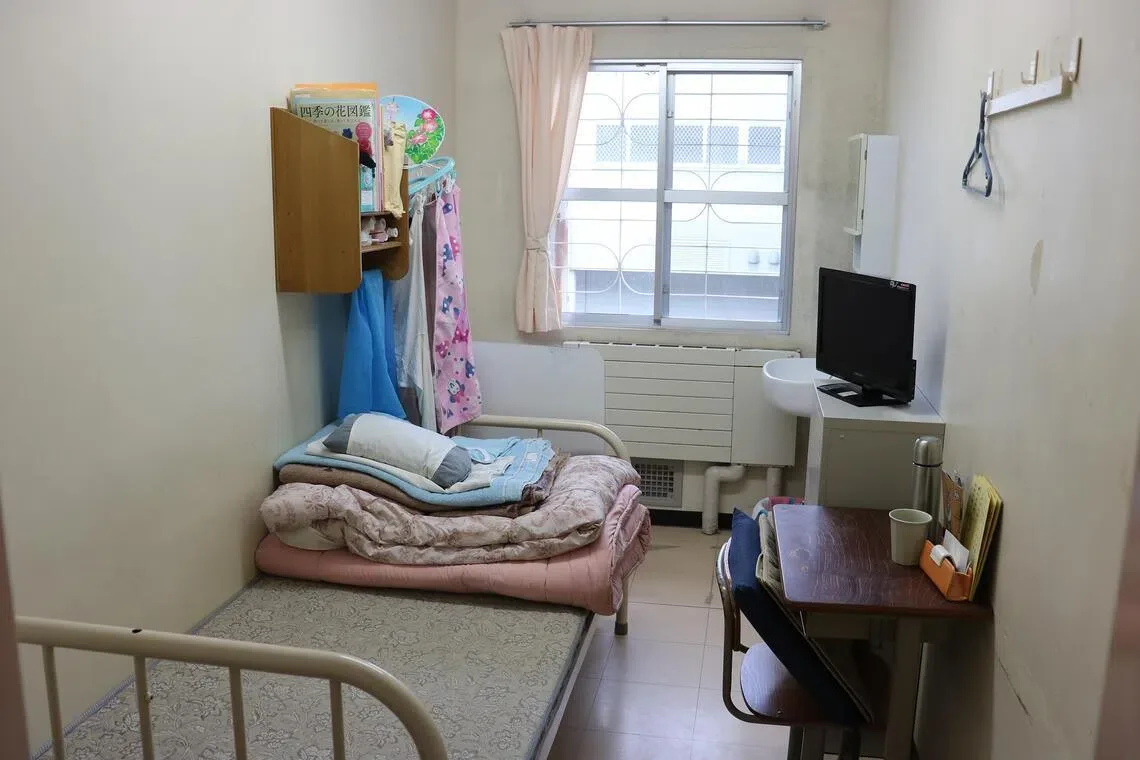
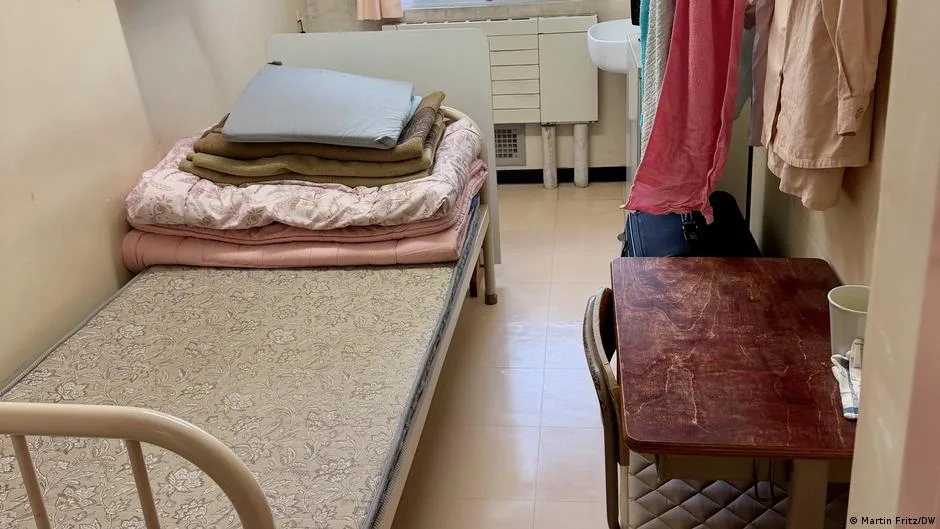
Tochigi Prison houses its inmates mostly in six-person or solitary cells equipped with a TV, study table, bed, and privacy panels for toilets. [1, 2] The prison offers three meals per day, full-board accommodation, access to a 15,000-book library, and up to four hours of evening television. [1, 2] Located about 100 kilometers north of Tokyo surrounded by rice fields and warehouses, Tochigi is one of 12 female prisons out of 180 total prisons across Japan. [1, 2]
Japan maintains a prosecutorial conviction rate of approximately 99.9%. [1, 2] Suspects can be held without bail for up to 23 days per charge, a practice criticized abroad as "hostage justice." [1, 2] The government defends its approach by citing domestic laws, international conventions, and the need to address hardened criminals. [1, 2]
In late August 2025, a 63-year-old female inmate at Tochigi filed a lawsuit alleging the prison ignored her health issues and punished her for refusing work. [3] The facility is scheduled to close in 2028 due to aging infrastructure and underuse, with inmates and staff to be relocated. [3]