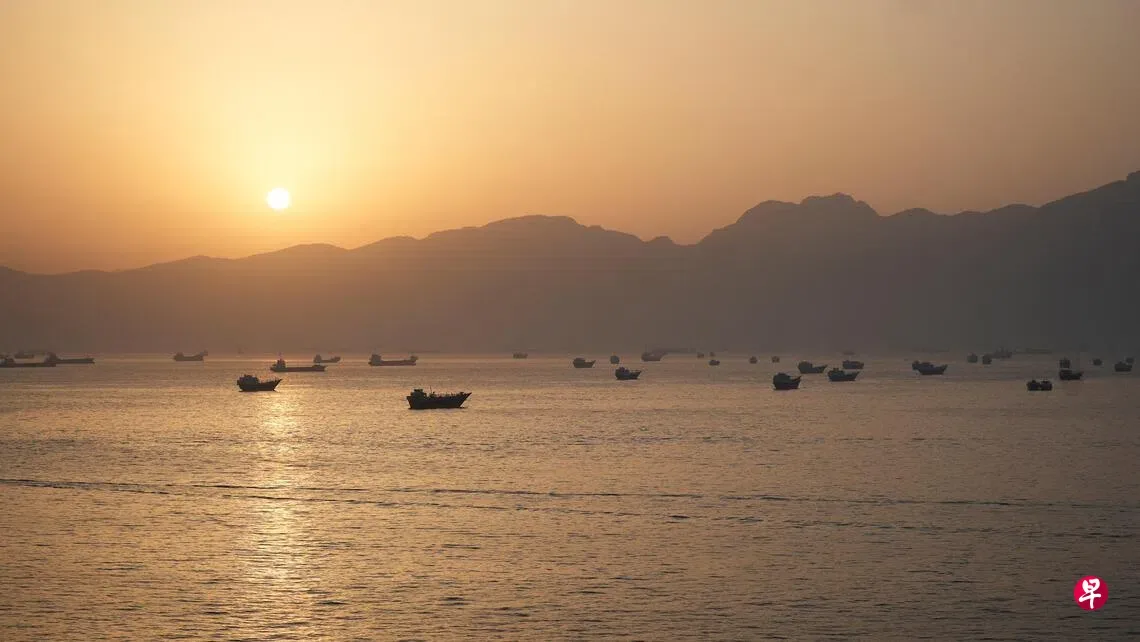
Japanese Prime Minister Sanae Takaichi spoke with Iranian President Masoud Pezeshkian on June 1, urging free and safe passage of ships through the Strait of Hormuz, which remains effectively closed amid regional tensions [1, 2, 3]. She also called on Iran to show "the greatest possible flexibility" in reaching a ceasefire agreement with the United States, saying, "We hope the Iranian side will show the greatest possible flexibility and that an agreement can be reached as soon as possible" [1].
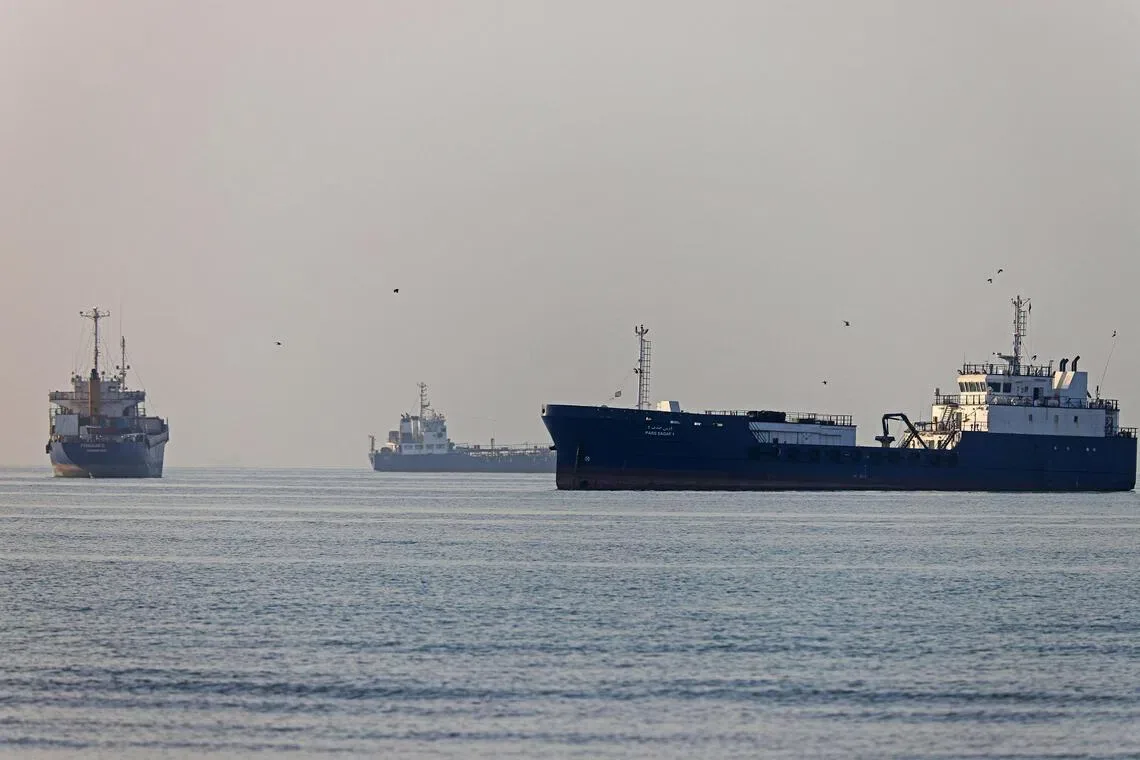
The leaders agreed to maintain close communication toward resolving the ongoing conflict [1, 2, 3]. Iran reported that 15 ships, including 4 oil tankers, passed through the Strait of Hormuz in the 24 hours before June 1 under Iranian military coordination and security guarantees [2].
Japan depends heavily on crude oil imports through the Strait of Hormuz and has been affected by rising oil costs and supply shortages, a pressure felt by resource-poor Asian countries reliant on the waterway [1]. Despite being a close U.S. ally, Japan has historically kept amicable ties with Iran [1, 3].
On May 25, a tanker operated by a unit of Idemitsu Kosan became the first Japan-linked vessel to safely transit the Strait since the conflict began, signaling a cautious reopening of shipping routes [1]. Japan is reported to be seeking a 60-day extension of the US-Iran ceasefire memorandum of understanding, aiming to stabilize regional conditions [1].