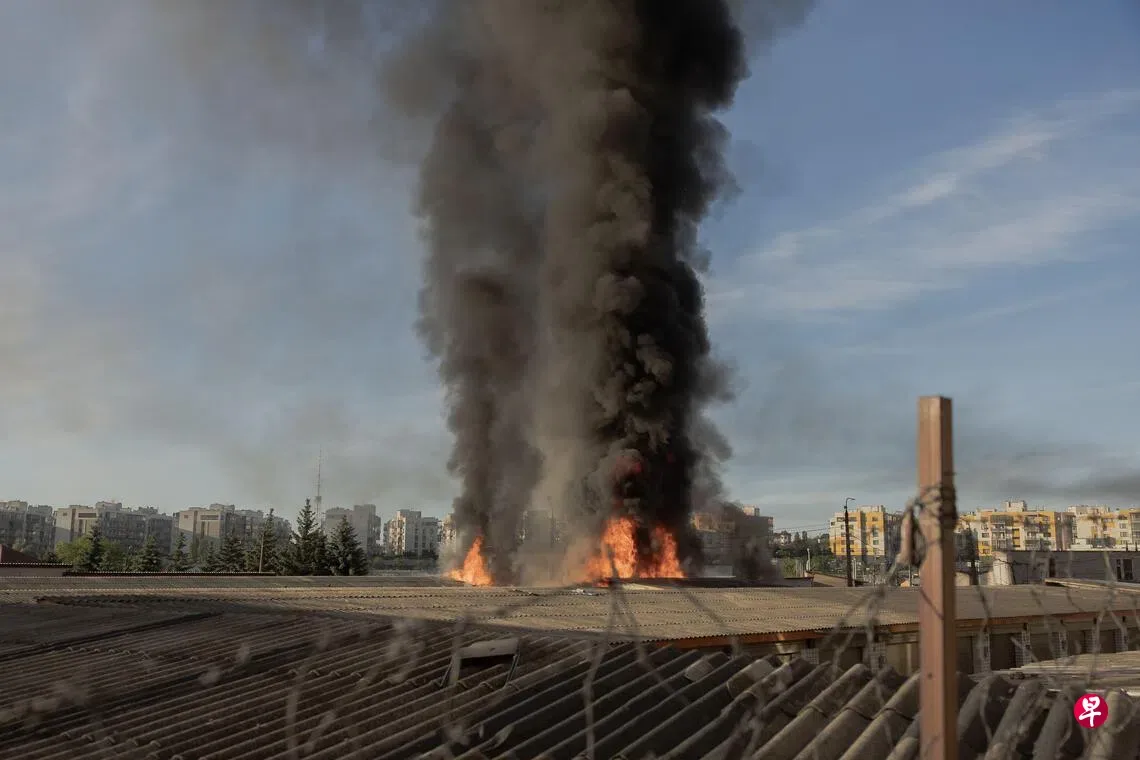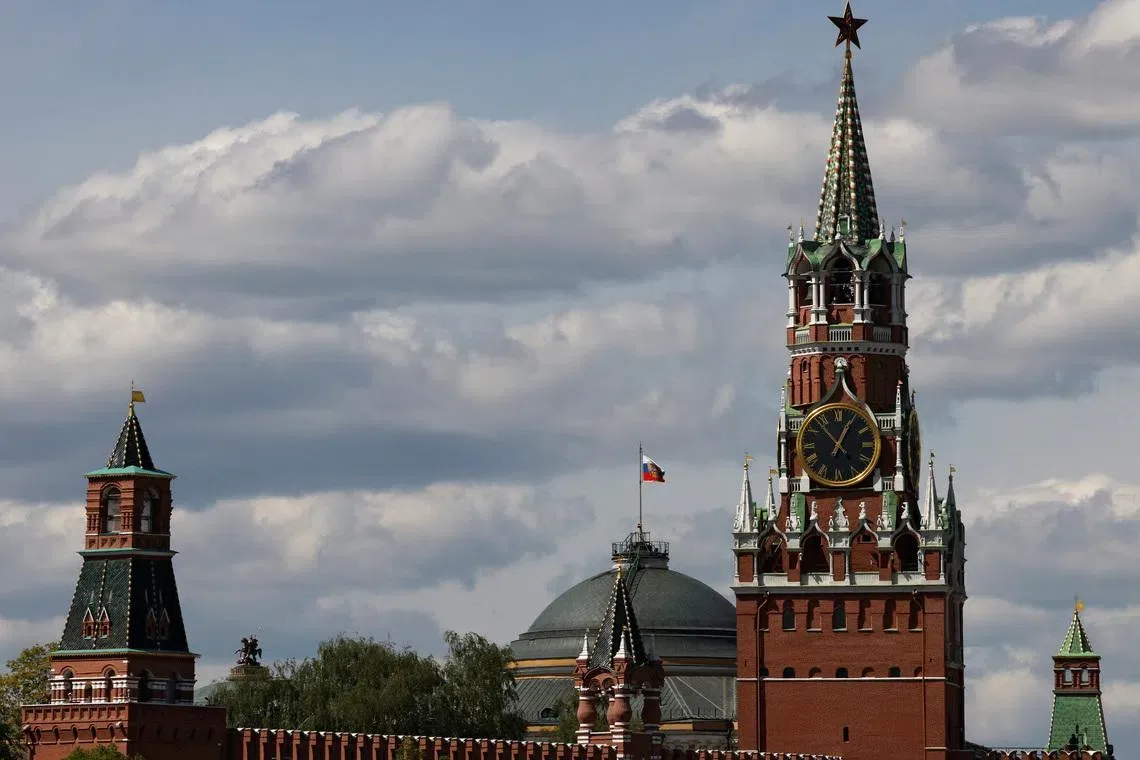
The Kremlin announced on June 2 that the war in Ukraine has entered a "different paradigm" due to what it described as "inhumane acts of terror" carried out by Kyiv's military against civilians [1, 2]. Kremlin spokesman Dmitry Peskov said, "If the Kyiv regime is consciously committing such inhumane ... acts of terror against civilians, against children, then this is an entirely different paradigm" [1].
The statement followed massive overnight Russian strikes on multiple Ukrainian cities that killed at least 17 people and wounded around 100 [1, 2]. Moscow said it is intensifying its attacks on Ukrainian military targets in response to a Ukrainian drone strike last month on a student dormitory in the Russian-controlled city of Luhansk, which killed 21 people [1, 2].
Ukraine denies targeting the dormitory, asserting its strike was aimed at a drone command center in the area [1, 2]. Kremlin officials said the latest operations systematically target Ukrainian military sites including in Kyiv and other cities [1, 2].
The escalation has paused the Ukraine peace process, officials said [1, 2]. Moscow remains in contact with the United States, which is attempting to broker negotiations between Kyiv and Moscow [1, 2]. The Kremlin maintains the war could end immediately if Ukraine withdrew forces from four regions that Russia claims as its own [1, 2].
Peskov added, "我们仍然对和平谈判持开放态度" (We remain open to peace talks) [2].
In May 2026, a Ukrainian drone strike hit the Luhansk dormitory killing 21 people [1, 2]. On June 2, Russia launched its mass strikes killing 17 and injuring 100, the Kremlin said, marking a new phase in the conflict [1, 2]. The next developments are expected amid ongoing contacts between Moscow and Washington to revive peace efforts.