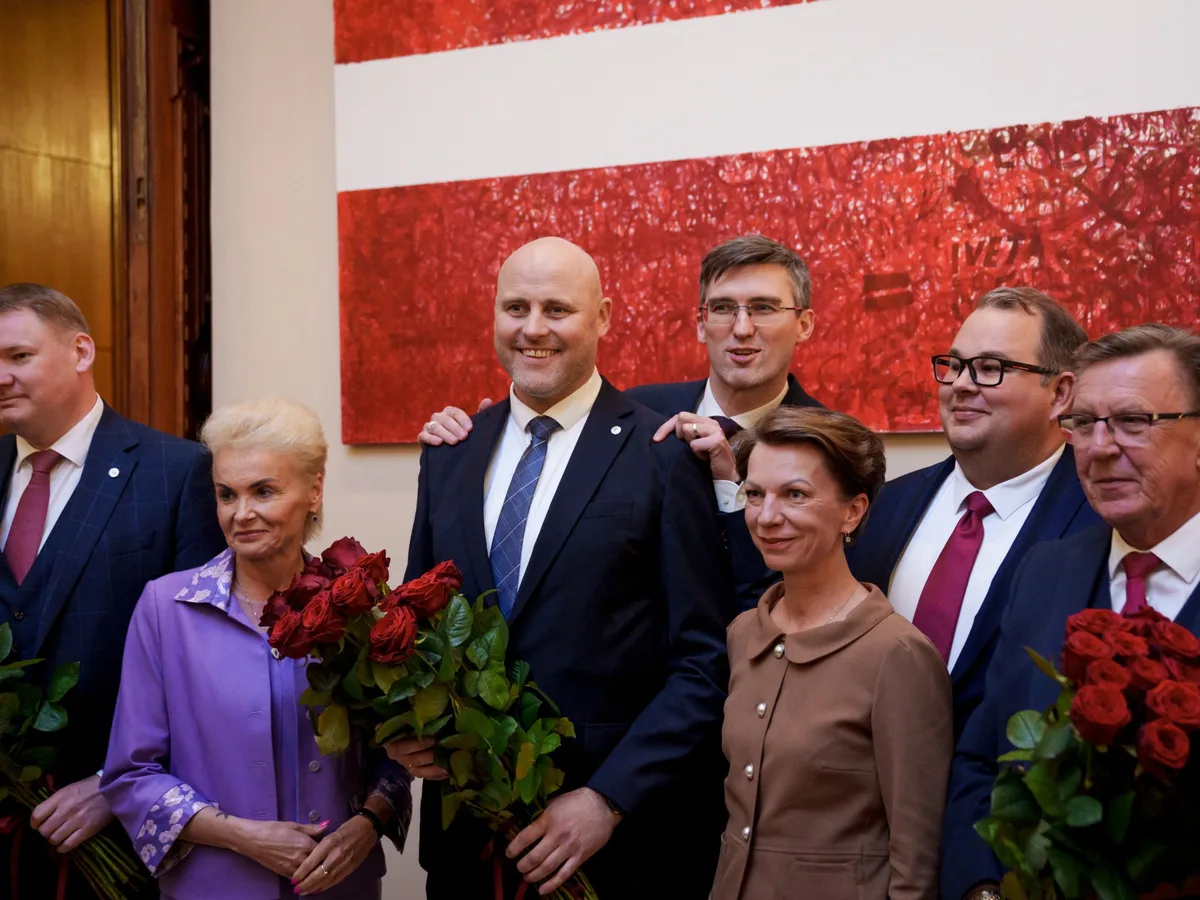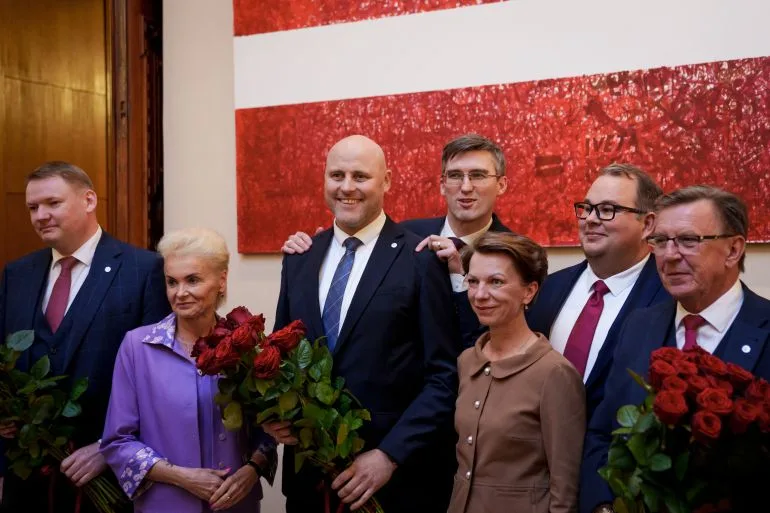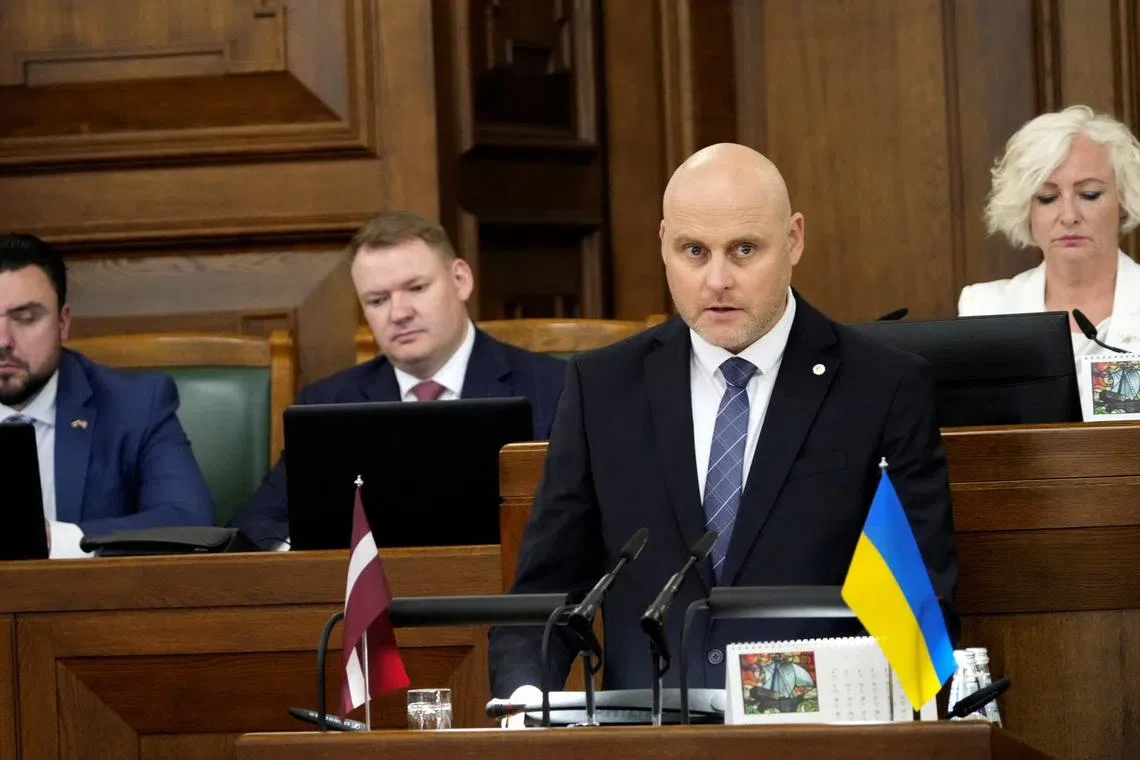
Latvia’s parliament voted 66-34 to approve a new centre-right government on May 28, 2026, led by opposition lawmaker Andris Kulbergs, 47, as prime minister [1, 2]. Kulbergs heads a coalition including his United List party, New Unity, the National Alliance, and the Greens and Farmers' Union [1].
The new government takes office after the previous coalition collapsed amid a dispute over drone incursions suspected to originate from Ukraine. The prior government fell after Defence Minister Andris Spruds was forced to resign following criticism for delaying anti-drone defenses. Prime Minister Evika Silina resigned in mid-May 2026 after losing the coalition majority [2]. Silina accused Spruds of failing to act promptly against stray Ukrainian drones disrupted by Russian jamming [2].
Kulbergs pledged that his administration would prioritize security, the economy, and energy. "The duty of the government is to ensure Latvia’s security in the broadest sense," he said, including external security, economic and energy security, and citizens' sense of safety [1, 2]. The coalition also vowed to continue supporting Ukraine and focus on weakening and isolating Russia [1].
Kulbergs confirmed Baiba Braze will remain foreign minister and appointed Colonel Raivis Melnis as defence minister [2]. Latvia, an EU and NATO member with a population of over 1.8 million, has faced increasing security challenges, including drones crossing its borders from Russia and Ukraine since Russia’s 2022 invasion of Ukraine [2].
The parliament has 100 seats, and the new government secured 66 votes in favor [2]. Kulbergs acknowledged the need to prove the government’s effectiveness, saying, "People will very quickly tell us whether we have done well or done poorly, the October 3 (general election) ... will be the verdict on this government" [1]. The next general election is scheduled for October 3, 2026 [1, 2].