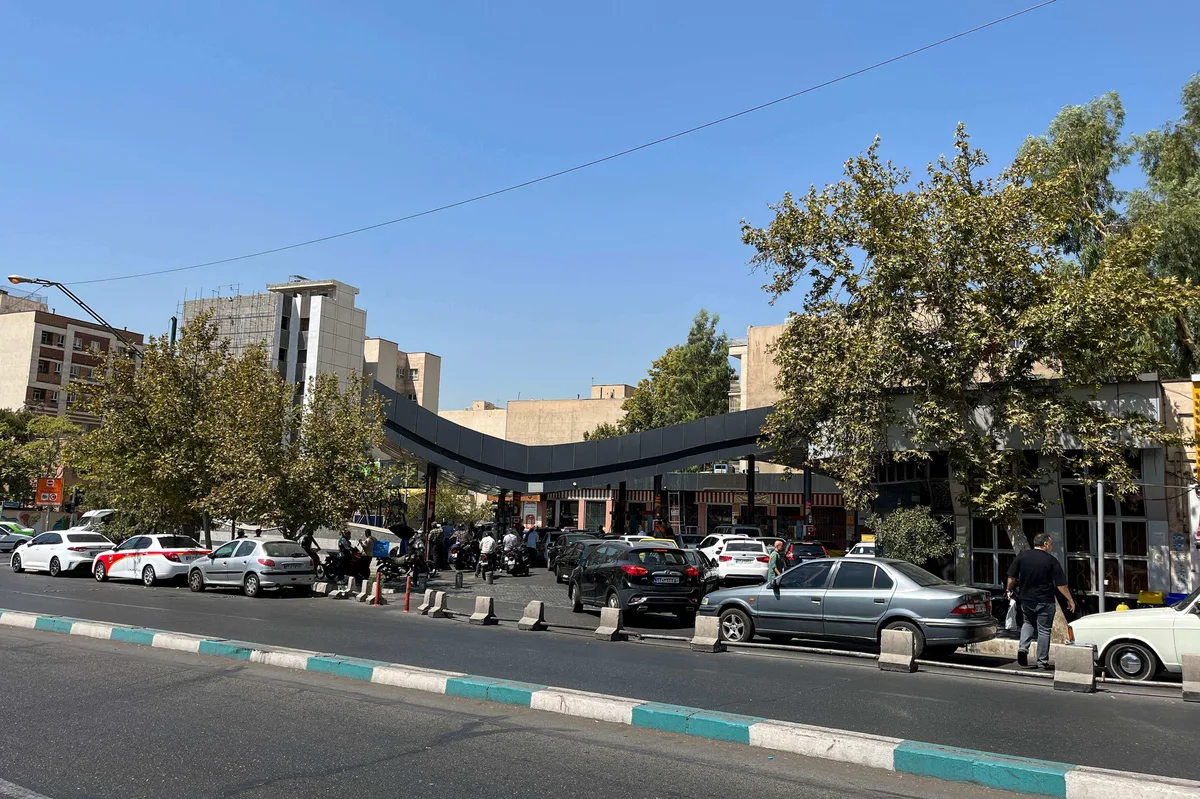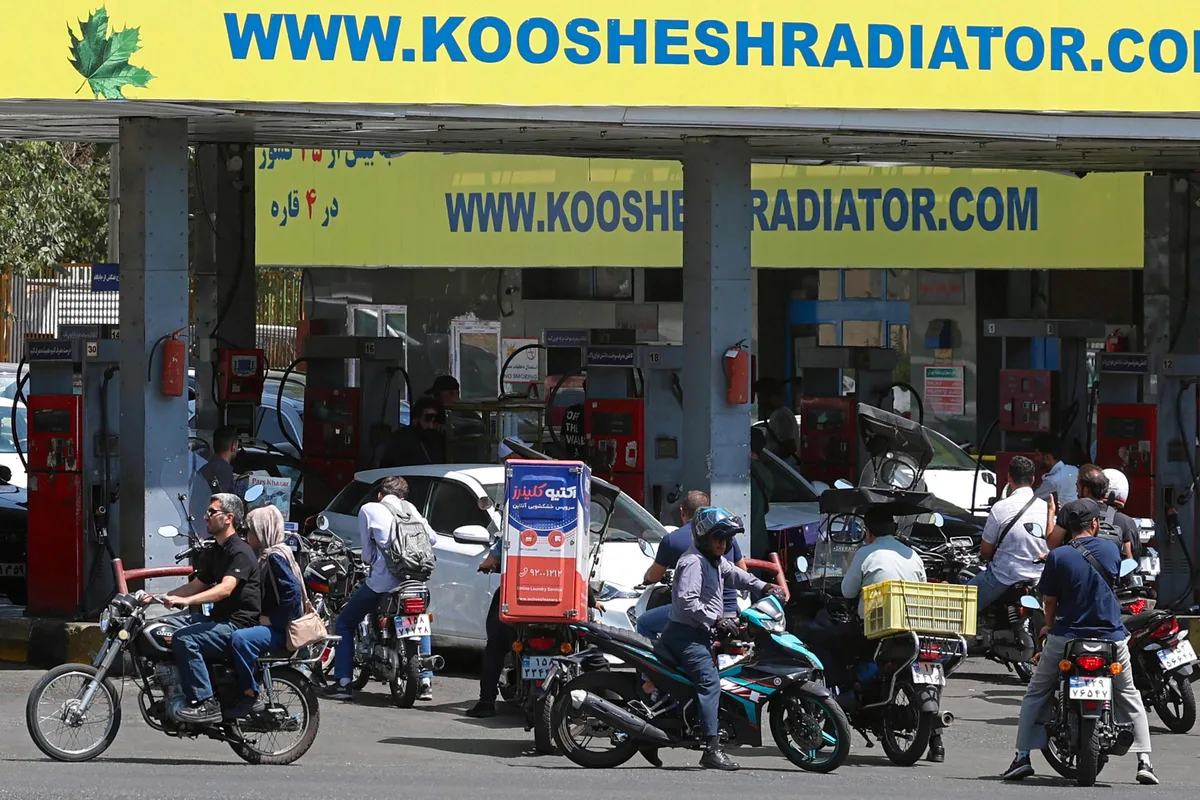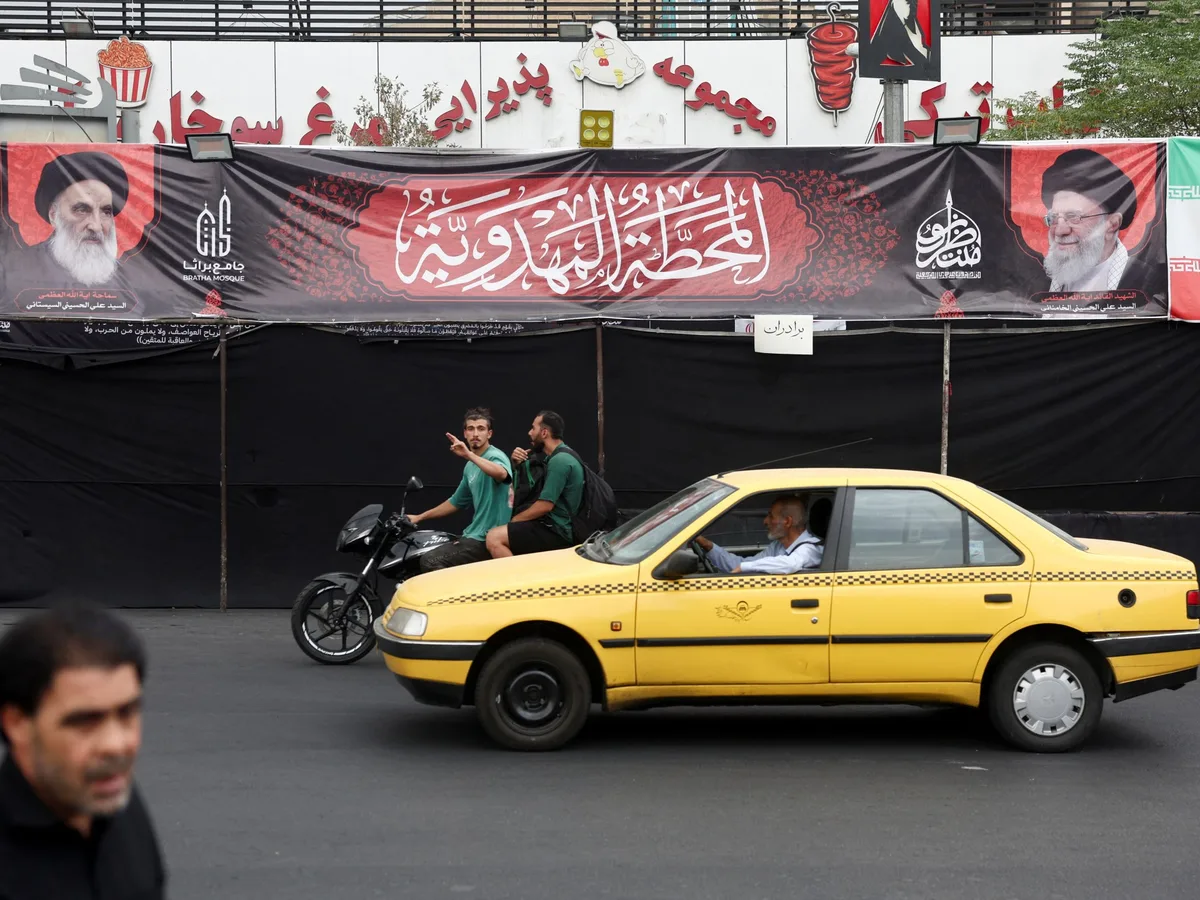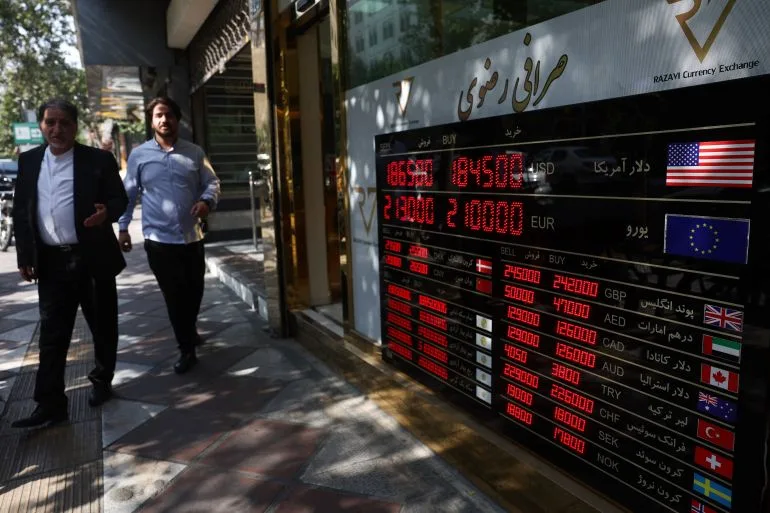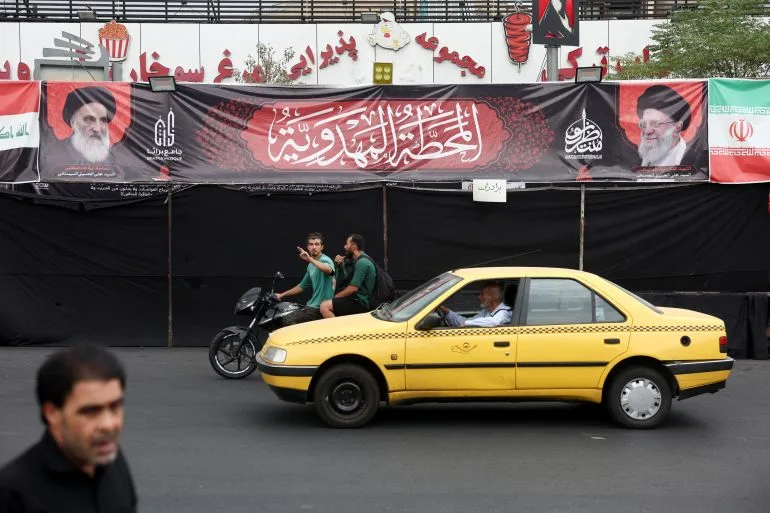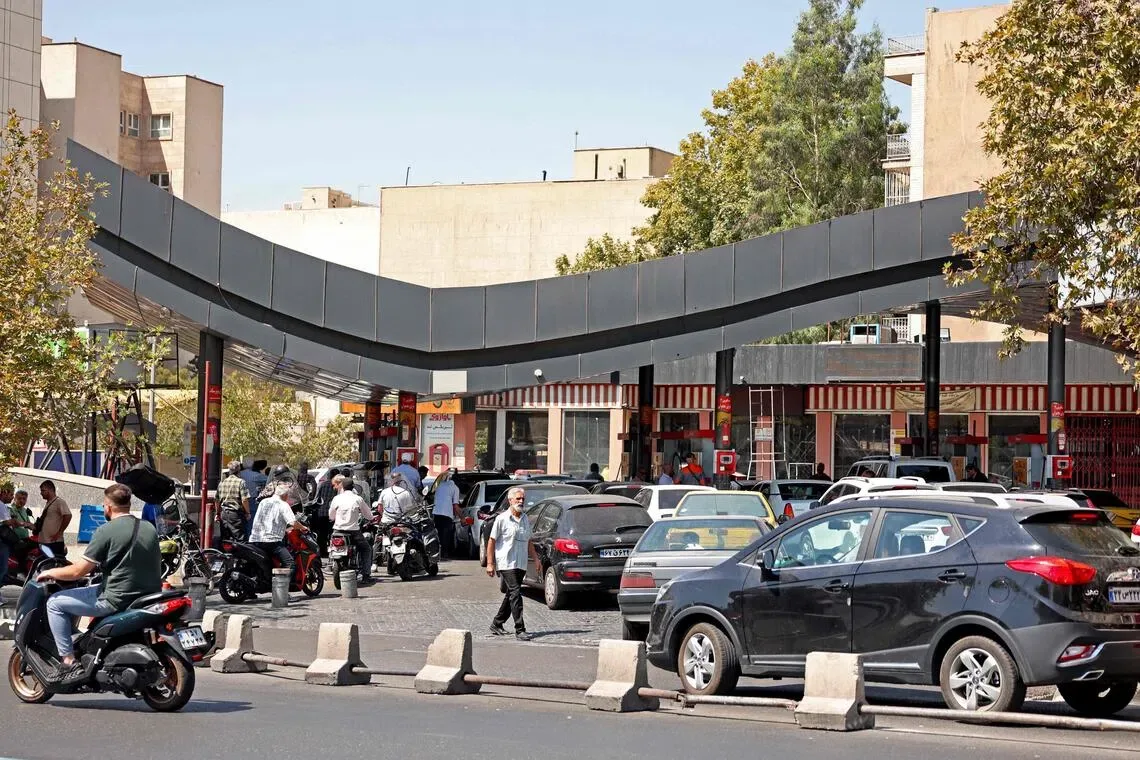
Long queues formed at petrol stations across Tehran on August 25, 2026, after the United States announced new sanctions aimed at crippling Iran’s economy [1, 2, 3, 4]. US Treasury Secretary Scott Bessent declared on August 24 plans for "economic asphyxiation" to sever all economic lifelines supporting the Iranian regime. "The objective is to sever every economic lifeline that sustains this tyrannical regime," Bessent said [1].
Iran’s President chief of staff Mohsen Haji-Mirzaei said authorities would review petrol quotas and likely reduce them without raising fuel prices. He added that those who purchase petrol above their quota would face higher prices [1, 2, 4]. Petrol subsidies in Iran have kept the lowest tier price below one cent US per litre, while the government pays about 65 cents per litre to producers [5]. The government heavily subsidizes fuel, but these measures have triggered unrest in 2019 and earlier in 2026 [5].
The Iranian economy is under severe strain from ongoing war pressures and sanctions, with the IMF predicting a GDP contraction of 5.4% this year [5]. The rial recently reached a low exchange rate of 2 million per US dollar [5]. Tehran’s population, around 93 million, faces growing economic hardship under these combined stresses [5].
Local residents express mixed feelings about the sanctions and their effects. Mehdi Yazdian, a 55-year-old realtor, said, "People are being hurt, both those who are financially well-off and those who are financially weak. Yes, these sanctions are having an effect, but naturally, our people are resilient." Meanwhile, 45-year-old English teacher Kia Farahani said, "I personally am not afraid of war at all because this is our land. But I think that this war will be more economic and will cause people to feel a lot of pressure, and now maybe there will be protests again." [1, 2, 4]
Iran’s government blames recent violence on "terrorist acts" by the US and Israel [1, 2, 4]. Former US President Donald Trump condemned Iran’s executions of protesters as a "humanitarian crisis of epic proportions" in a social media post [1, 2, 4]. The 2026 US-Iran conflict remains deadlocked with peace talks stalled and most traffic through the Strait of Hormuz blocked [1, 2, 3, 4].
Iran is signaling the possibility of another fuel price increase to ease subsidy costs but has not finalized a decision [5]. Iranian President Masoud Pezeshkian said on August 23, "We are doing our best so the people are not afflicted, but the enemy is doing its absolute best so we won’t succeed." [5]
The government’s next steps will include finalizing petrol quota adjustments and potential price changes in the coming weeks as economic pressures mount [1, 2, 5, 4].