The Land Transport Authority (LTA) is examining whether a Bus Rapid Transit (BRT) system can be implemented in Tuas South to enhance travel times and reliability for commuters between industrial workplaces and MRT stations [1, 2, 3, 4]. Transport Minister Jeffrey Siow announced the study on July 31, 2026, at the Singapore Rail Test Centre [1, 2, 3, 4].
Tuas South was chosen due to major developments such as Tuas Port and anticipated growth in businesses and jobs, which will increase travel demand in the area [1, 2, 4]. Currently, vehicle travel time from Boon Lay MRT station to Tuas South industrial estates is about 30 minutes; the BRT aims to shorten this duration [1, 2, 4].
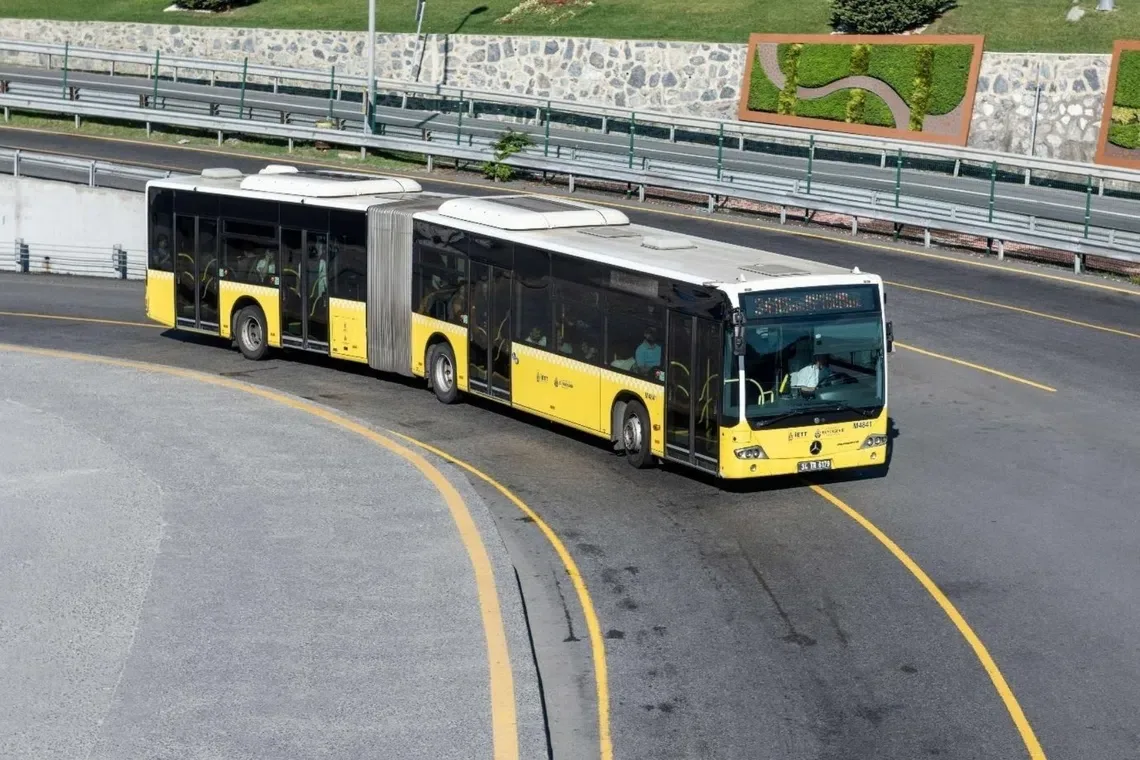
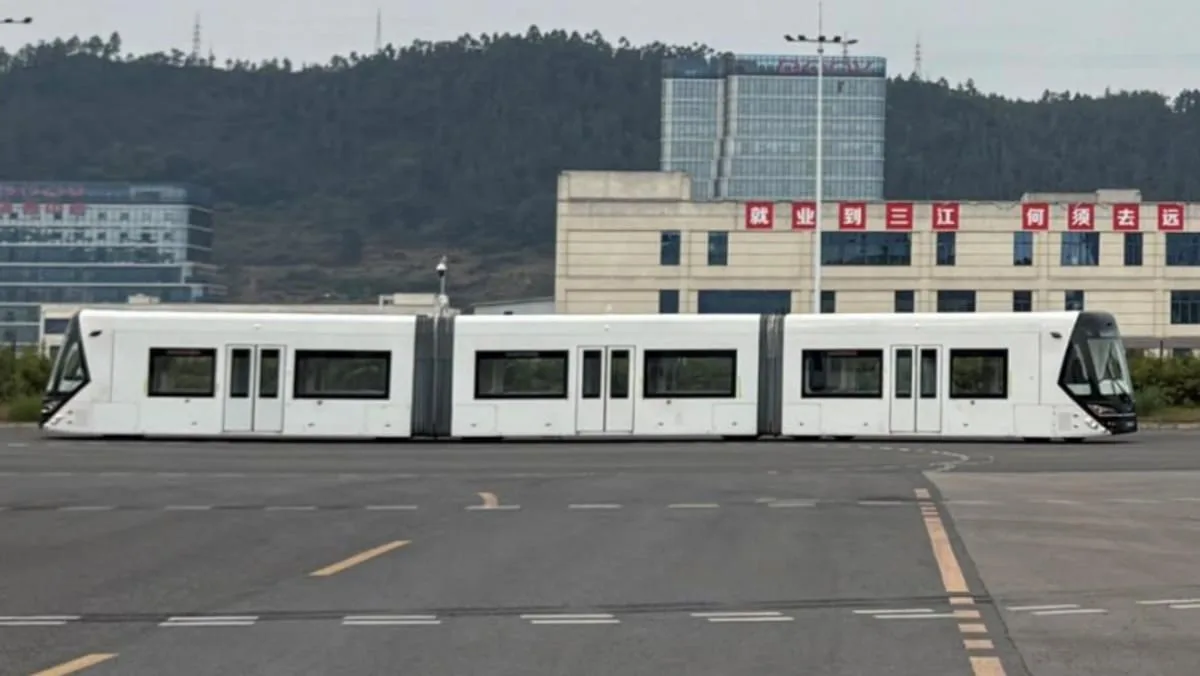
The proposed BRT system would use high-capacity vehicles, including articulated two-section or bi-articulated three-section buses, or trackless trams. These would run on dedicated lanes with traffic signal priority to ensure faster and more reliable trips than conventional buses, especially during peak periods [1, 2, 3, 4]. The system is regarded as a medium-capacity transport option that complements MRT and regular bus services [1, 2, 3, 4]. Compared with MRT or LRT, BRT requires less dedicated infrastructure and allows more flexible route adjustments, making it cost-effective and scalable for corridors like Tuas South [1, 2, 3, 4].
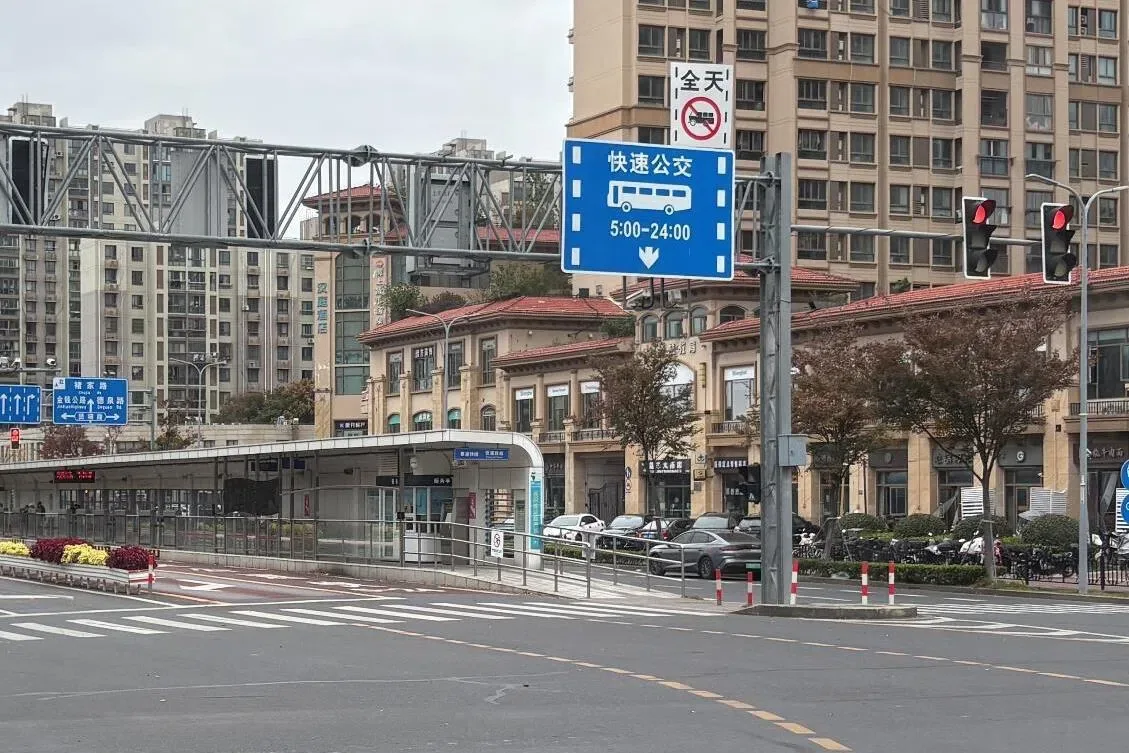
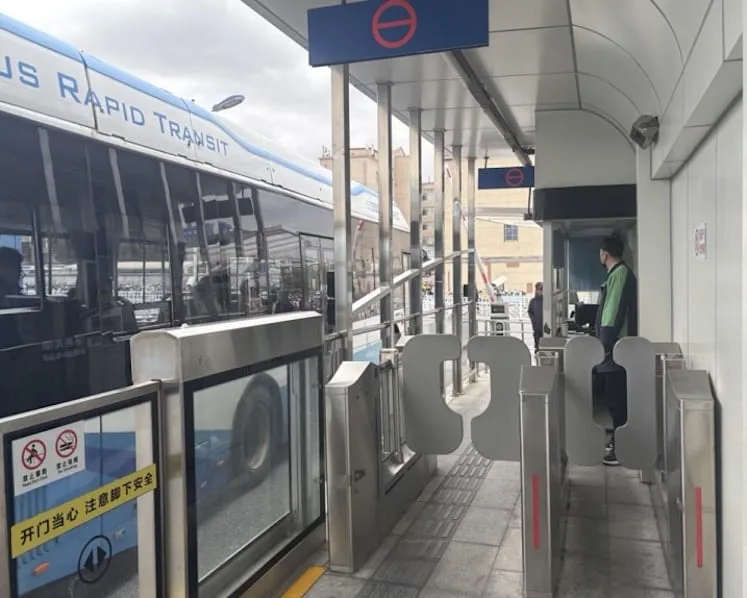
BRT systems globally range from conventional articulated buses to tram-like vehicles with features like dual driver cabins and virtual guidance automation [1, 2, 3, 4]. The LTA is studying international examples of BRT in cities such as Shanghai, Seoul, Curitiba, Istanbul, Brisbane, Zhuzhou, and Yibin to identify the best model for Singapore’s needs [3].
Minister Siow said, "If the BRT system proves feasible in Tuas, it could be a 'promising and cost-effective mode of transport not just for Tuas but for the rest of Singapore, and it sits between buses and trains as a mid-mode.'" He added, "These variants are more flexible, they are cheaper and more quickly deployable" [3].
One key consideration under study is the impact on traffic, as lanes dedicated for BRT may require the permanent removal of a general traffic lane [4]. The 2008 Land Transport Masterplan had earlier mentioned BRT as combining the reliability of rapid transit with the flexibility of buses [4].
The LTA’s study is ongoing, with no timeline for implementation announced yet.