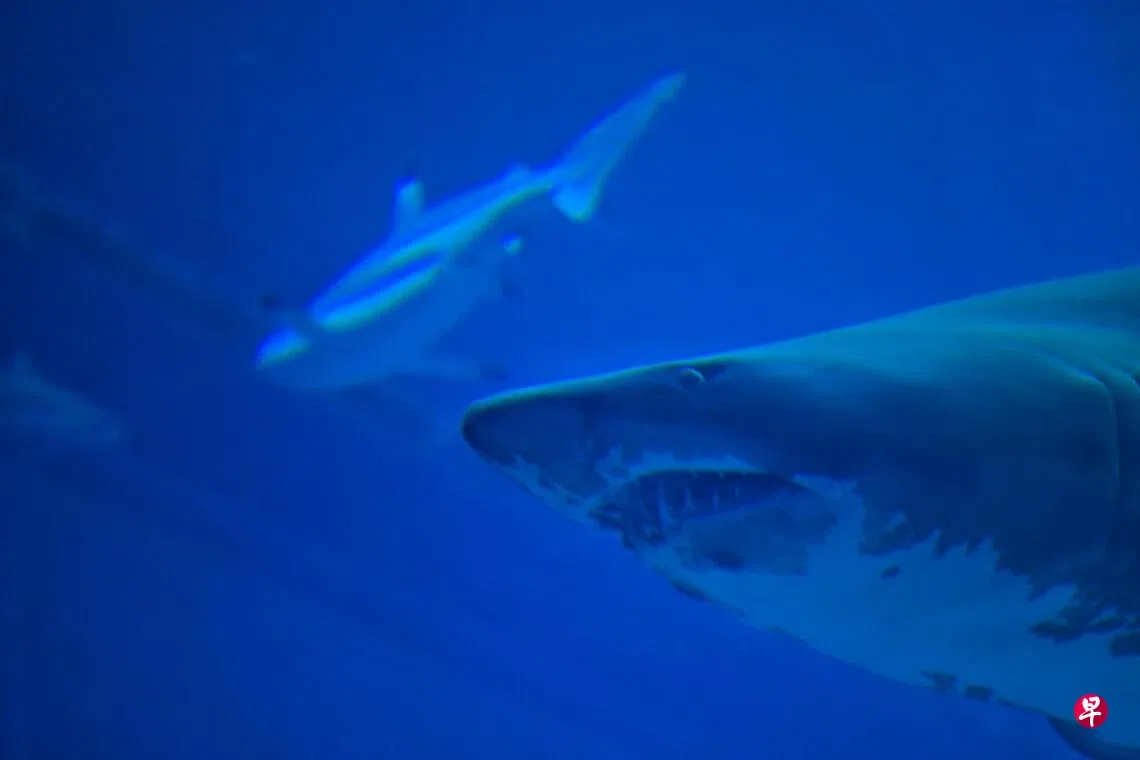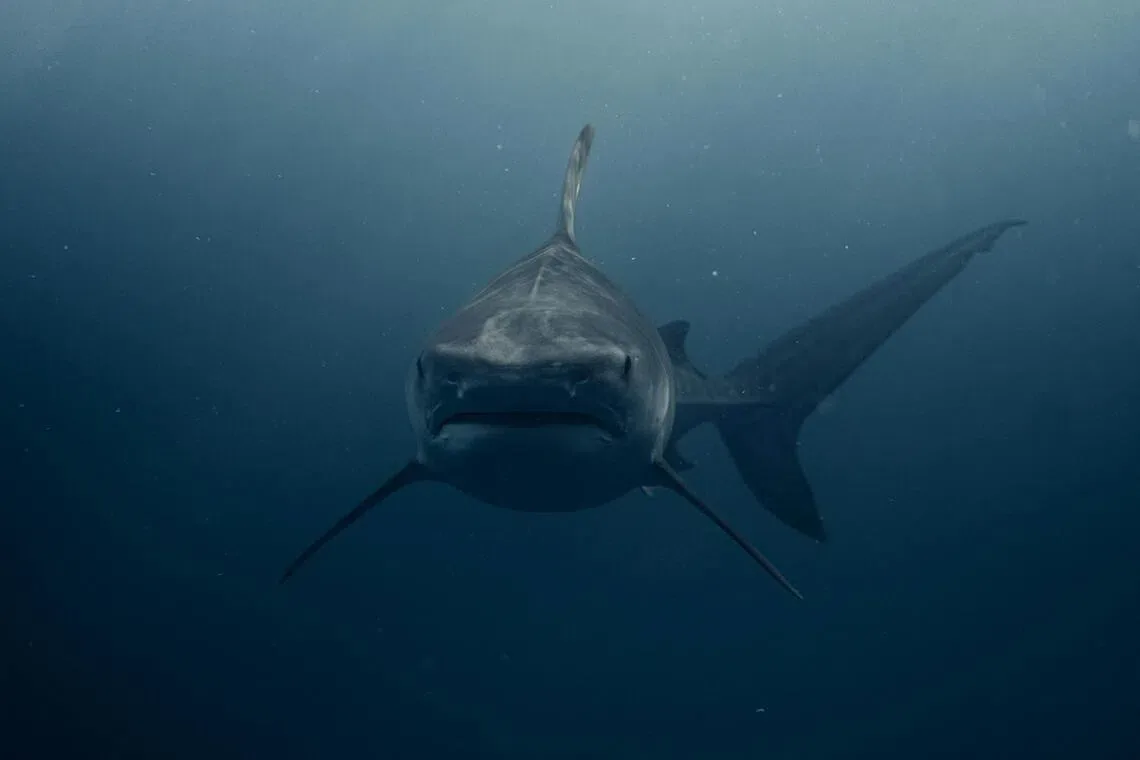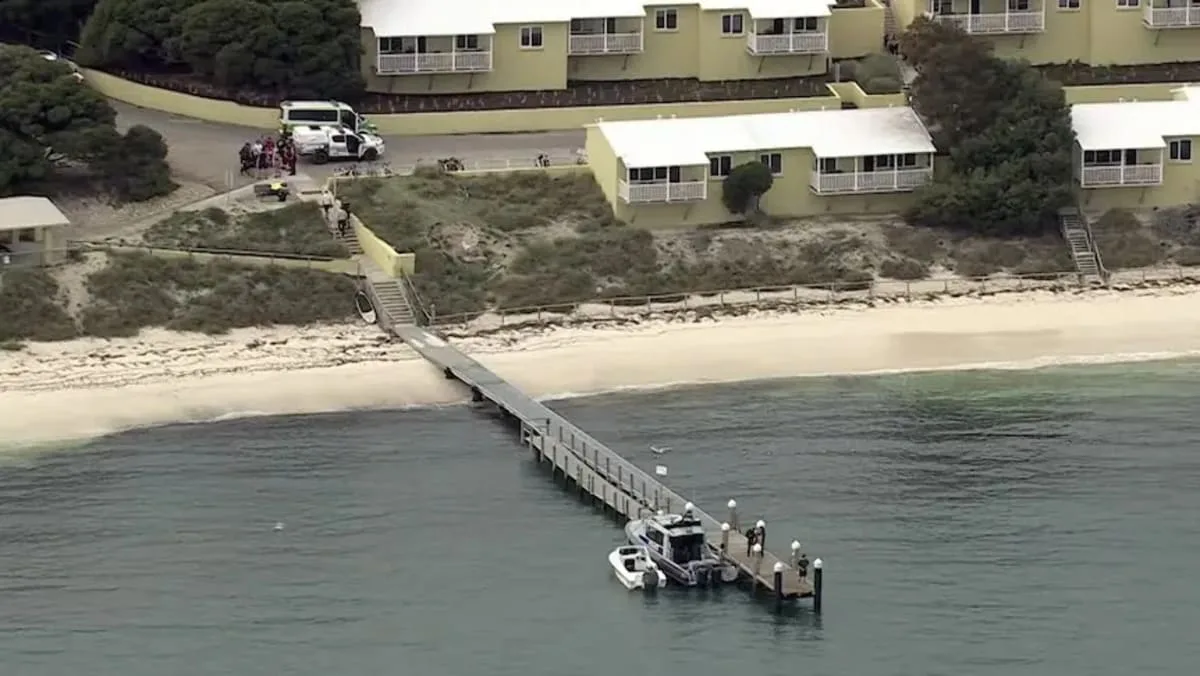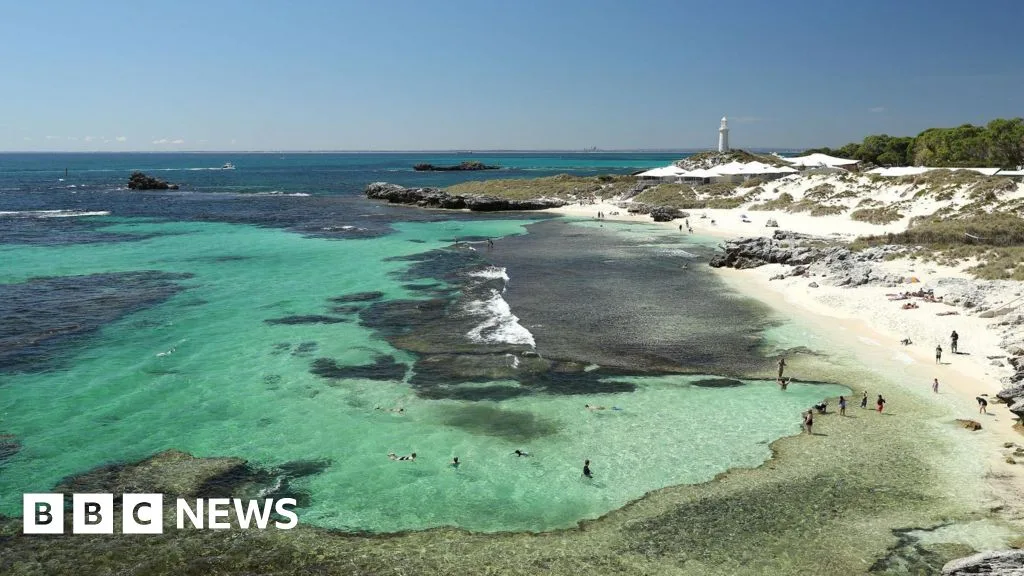
A 38-year-old man was fatally attacked by a great white shark just before 10 a.m. local time on Saturday, May 16, 2026, near Horseshoe Reef off Rottnest Island, Western Australia [1, 2, 3, 4, 5, 6, 7, 8, 9, 10, 11, 12]. The shark measured approximately 4 meters (13 feet) in length, though some sources reported it as closer to 5 meters (16 feet) [1, 5, 7, 8, 12, 6, 9].
The man was bitten on his lower legs during the attack. He was taken by boat to shore, where paramedics performed CPR. Police Sergeant Michael Wear described the injuries as "horrific" [10]. A St John WA Ambulance spokesperson said, "A 38-year-old man was in the water at Horseshoe Reef when he was believed to have been bitten by a shark. The man was conveyed by vessel to shore, where he was met by St. John WA paramedics. Sadly, the man was unable to be revived." [12]
There are conflicting reports whether the man died at the scene or after being airlifted to hospital in critical condition. Some sources say he died at the scene after CPR failed, while others state he was airlifted but died during treatment [4, 5, 10]. A Western Australia police spokesperson confirmed, "Sadly the man was unable to be revived." [1]
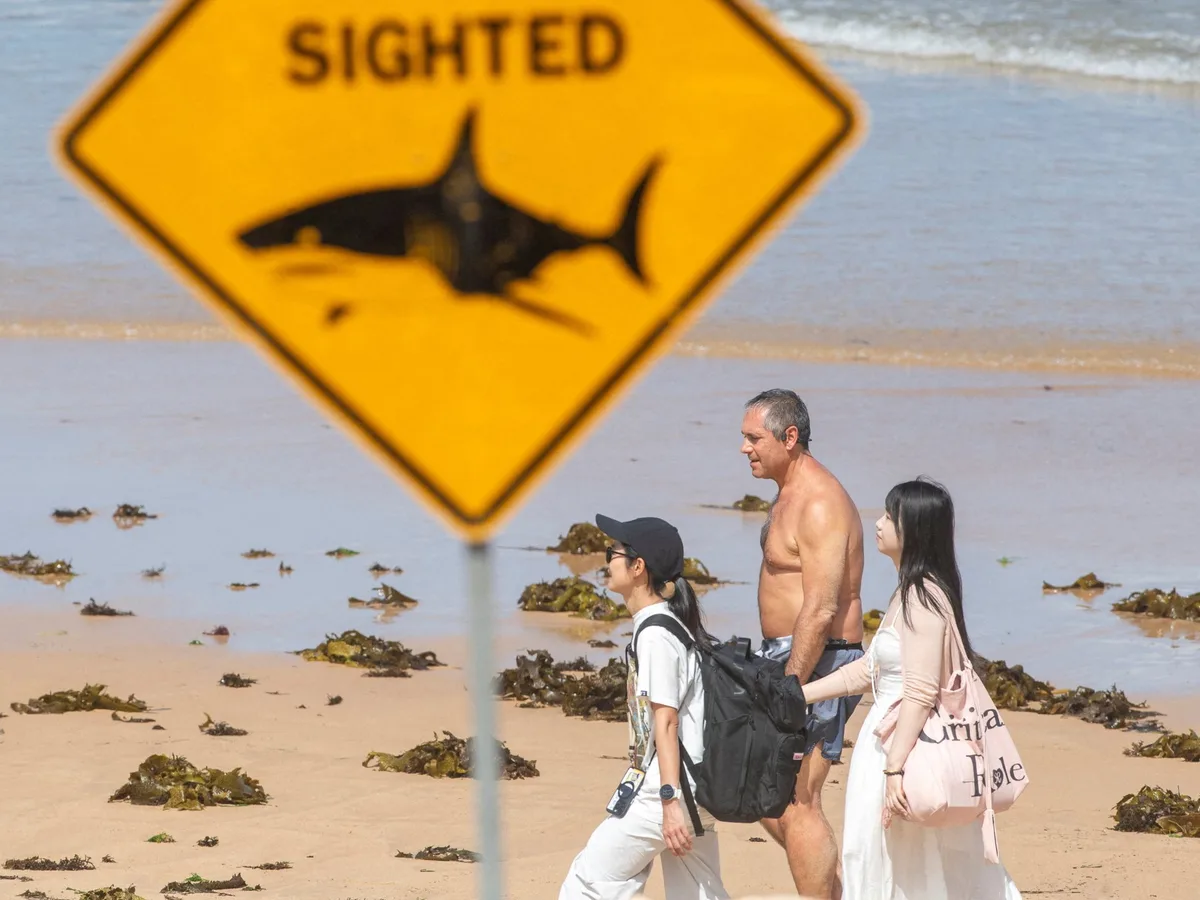
Authorities have urged the public to exercise extra caution when entering waters around Rottnest Island following the attack. The Western Australia Department of Primary Industries and Regional Development said, "We received a report that the man was bitten by a great white. The department urged the public to take additional caution in waters around the area." [1]
Rottnest Island is a popular tourist destination frequented by swimmers, divers, and holidaymakers [5, 9, 10]. This fatal attack is the first in Western Australia since March 2025, when a surfer was mauled off a remote beach [1, 5, 7, 8].
Australia has recorded nearly 1,300 shark attacks since 1791, with more than 260 resulting in death [1, 2, 3, 4, 7, 8, 11]. Recent data shows a series of attacks in New South Wales earlier this year, including the fatal January attack of a 12-year-old boy in Sydney Harbour [2, 3, 4, 8]. Australian scientists say increasing human activity in waters combined with rising ocean temperatures are influencing shark migratory patterns, which may be contributing to more attacks [2, 3, 4, 5, 8, 10, 11].
The next development may involve ongoing monitoring and warnings for swimmers and divers around Rottnest Island as officials assess shark activity in the area.