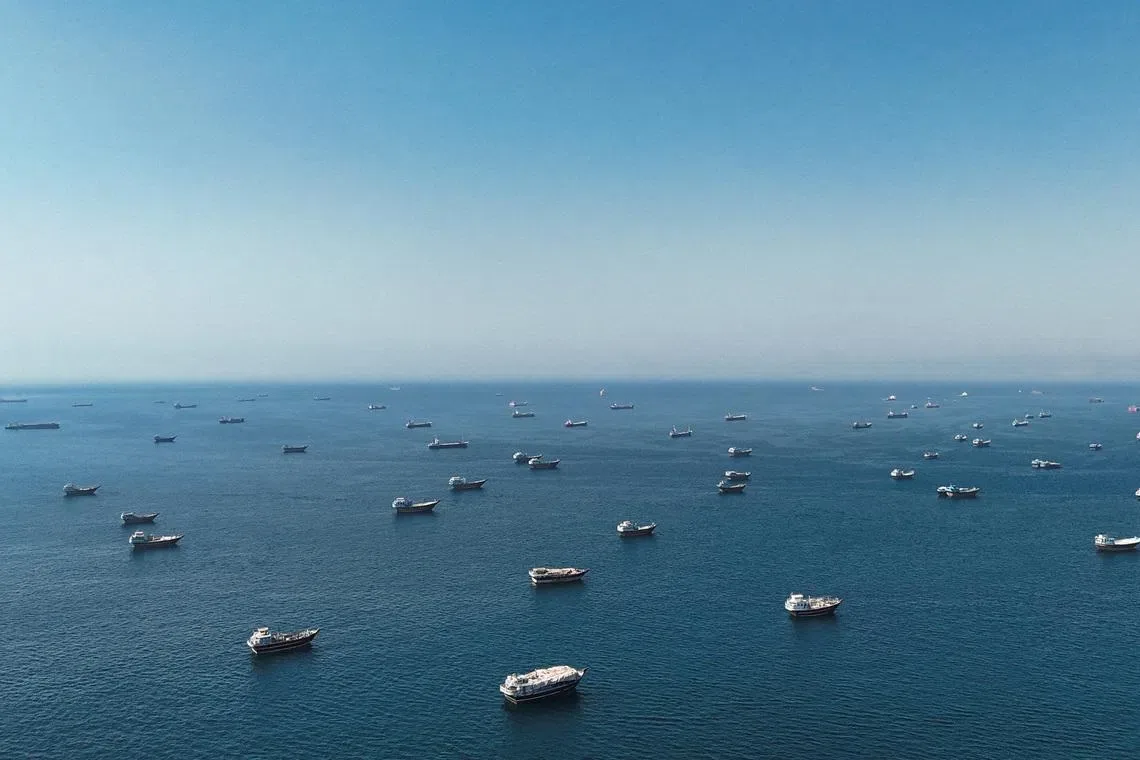
The ongoing Middle East conflict, reaching nearly 100 days since escalation, has severely disrupted global transport routes used for delivering humanitarian aid, UNICEF officials said on June 2, 2026 [1, 2, 3]. Heightened insecurity around Gulf shipping lanes has driven up fuel prices and insurance premiums, forcing shipments to reroute around the Cape of Good Hope and adding two to four weeks to delivery times [1, 2, 3].
These delays have pushed some aid deliveries back by as much as four to six months, risking critical gaps in lifesaving supplies for children in crisis zones [1, 2, 3]. UNICEF’s transport budget in Mali surged by 36% in the first quarter of 2026 amid these disruptions [1, 2]. Trucking costs for nutrition supplies from Kenya to Somalia, South Sudan, and the Democratic Republic of Congo have climbed about 30% [1, 2, 3].
The cost to reroute syringes for a polio vaccination campaign in Nigeria increased by 56%, adding $200,000 to transport expenses [1, 2]. Air freight costs for vaccines from India to Ethiopia, Nigeria, and DRC rose between 50% and 70%, while sea freight for educational materials from China to Yemen and Mozambique jumped 100% to 150% [3].
UNICEF has responded by increasing reliance on air freight due to shipping delays but has nearly exhausted annual charter flight donations from logistics partners in the first quarter of 2026 [1, 2, 3]. Jean-Cedric Meeus, a UNICEF official, called the situation "unprecedented" and said, "Increased transport costs mean less money for the lifesaving supplies children need" [1, 3].
He warned that the cumulative effect of transport disruptions "could delay critical supplies by up to four to six months," and added that such delays "could mean the difference between life and death for children in crisis zones" [3].
UNICEF continues to monitor the situation as the conflict’s impact on key maritime routes persists, with no immediate relief expected to restore normal aid transport timelines or cost structures.