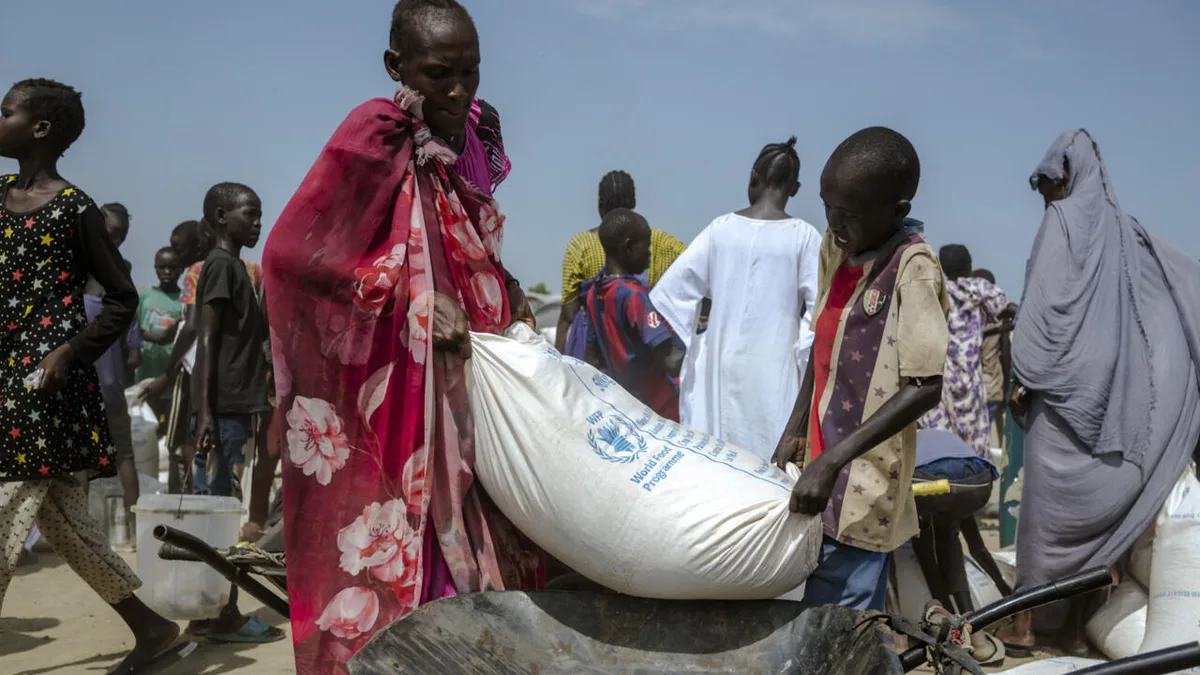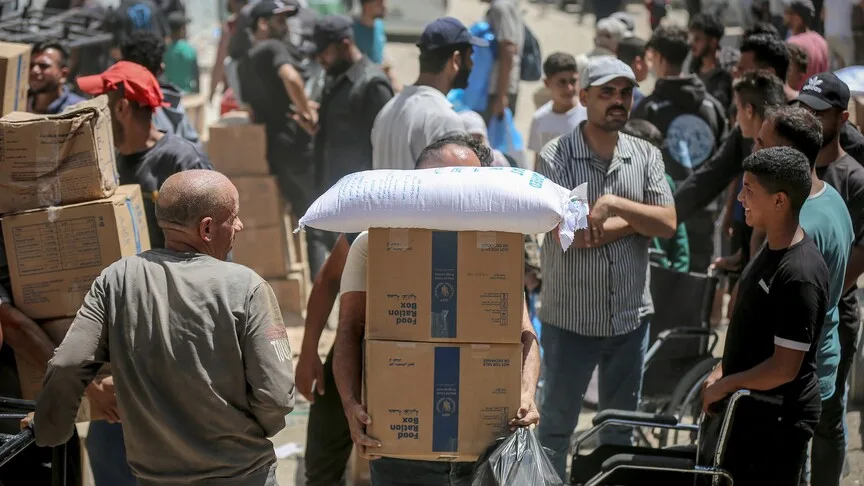
US-Israeli strikes on Iran in February 2026 triggered a regional conflict disrupting Gulf shipping routes, including the Strait of Hormuz, and constraining global energy flows and supply chains, the WFP said [1, 2, 3, 4]. These disruptions have kept crude oil prices above $100 per barrel since early March, amplifying food price hikes worldwide and increasing transport costs for aid delivery [1, 2, 3].
The World Food Programme forecast in March that up to 45 million people could fall into acute food insecurity globally if oil prices stayed near $100 a barrel through June. Today, the agency warned that scenario is now unfolding amid continuing conflict, higher fuel prices, and aid funding shortfalls [1, 2, 3, 4]. Jean-Martin Bauer, WFP Director of Food Security and Nutrition Analysis Service, said, "We warned that this crisis could push millions more people into hunger; now we are watching it happen in real time" [4]. He added, "The closure of Hormuz is translating into increased hunger. Unfortunately, the pessimistic projections that were made earlier this year are coming to pass, and we need to act" [3].
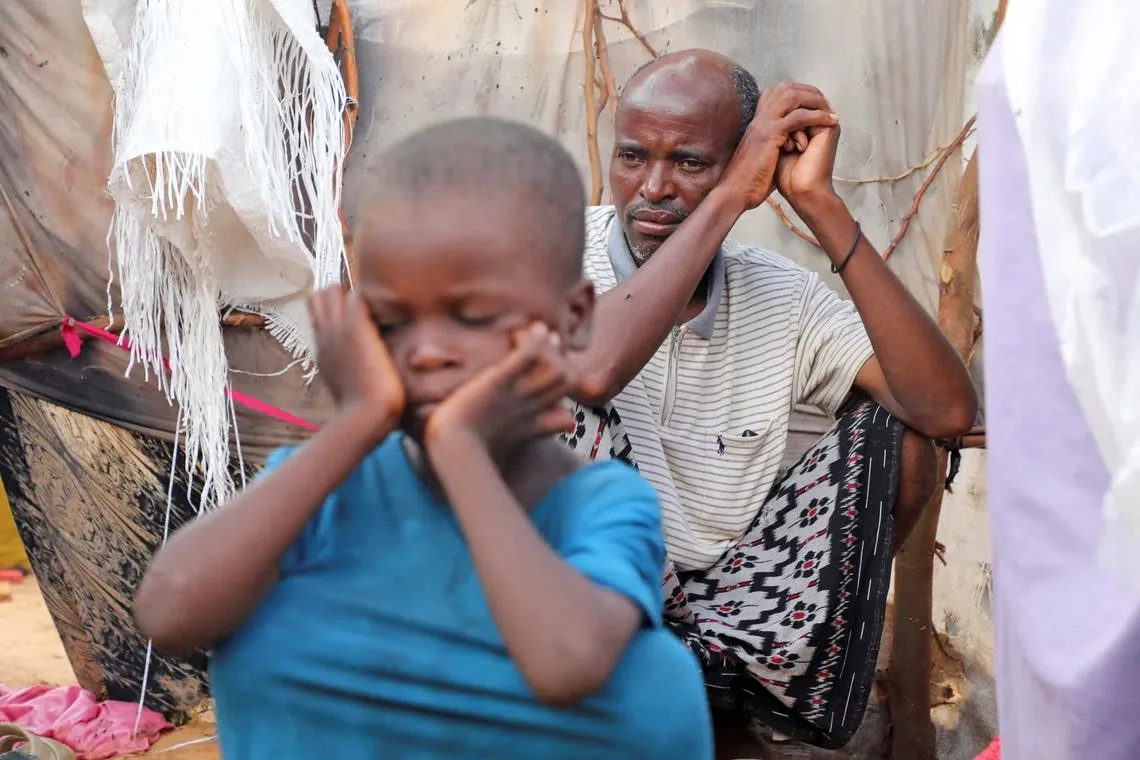
Somalia faces some of the worst impacts, with 6 to 6.5 million people—about one-third of the population—expected to experience severe hunger in 2026. An additional 2.5 million could become food insecure if disruptions persist. Nearly 60% of Somali households may be unable to meet basic needs this year, up from 47% previously [1, 2, 3, 4]. Fuel price surges have driven operational costs up, notably increasing jet fuel prices that affect the UN Humanitarian Air Service vital for reaching remote areas [1, 2].
Afghanistan could see 17.4 million people food insecure in 2026, with 2.3 million more at risk if the crisis continues. Aid transport costs have risen up to fivefold, and delivery times have lengthened sharply from 10 days to as much as 75 due to rerouting around conflict zones [1, 2, 4]. Prior to this crisis, Afghanistan already had 13.8 million facing food insecurity and strong economic ties to Iran for trade [4].
Sri Lanka also remains vulnerable, with 1.3 million more people struggling to meet food needs as price shocks impact energy, remittances, and trade [4]. Across affected countries, fertilizer shortages and rising costs threaten harvests and could push food prices even higher [4].
The WFP expects to serve 1.5 million fewer people worldwide this year due to funding shortfalls, with an additional 9 million potentially losing aid access if the crisis lasts six months or more [1, 2, 4]. The agency faces a growing challenge to maintain food assistance as costs rise and access tightens.
The WFP's latest warnings underscore the urgency of addressing supply chain disruptions and funding gaps before hunger worsens further across multiple regions in the months ahead [1, 2, 3, 4].