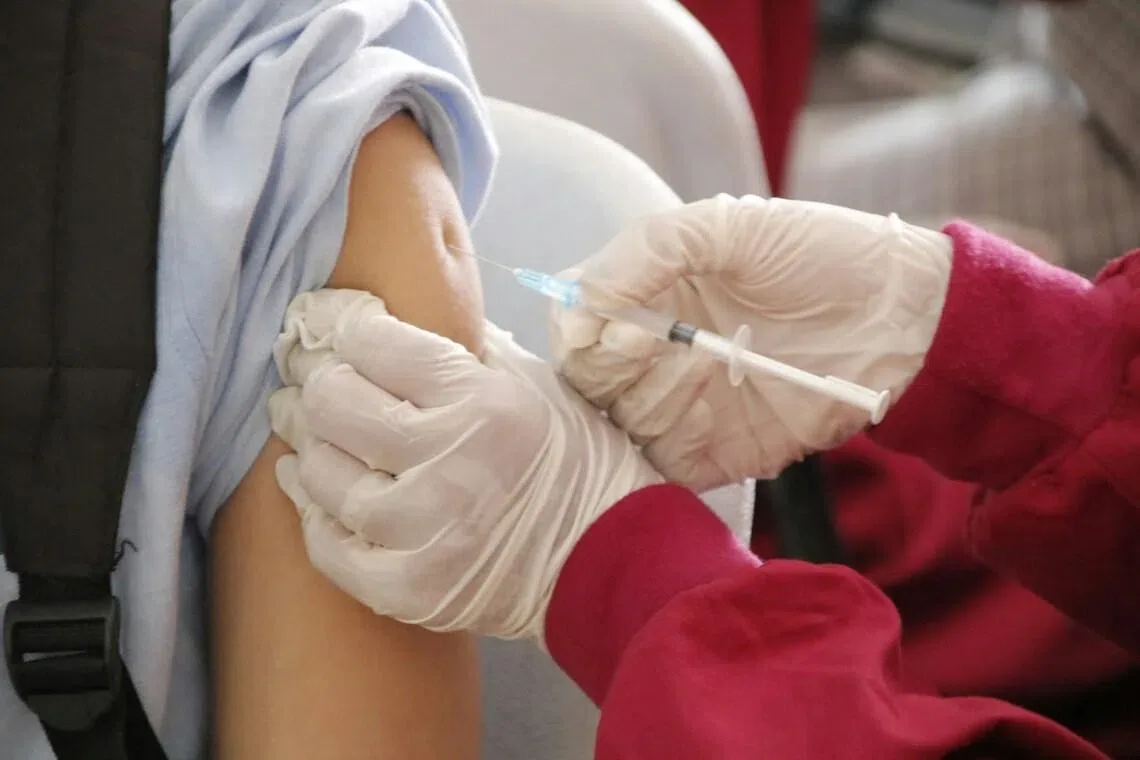
An increasing number of males in Singapore are receiving the human papillomavirus (HPV) vaccine amid growing awareness of its benefits, including protection against several cancers and genital warts [1, 2, 3, 4]. Since 2020, the HPV vaccine has been available to men and boys in Singapore, although vaccination efforts have primarily focused on girls and women aged 9 to 26 to prevent cervical cancer [1, 2, 3, 4].
At Parkway Shenton clinics, males made up about 30% of HPV vaccine recipients in 2025, rising from 20% in 2024, reflecting a gradual shift in vaccine demographics [1]. Lim Wee Peng, Parkway Shenton's medical director, said, "In 2025, males accounted for about 30 per cent of those getting the HPV vaccine at its clinics, up from 20 per cent in 2024" [1].
Similarly, the Hisential men's health clinic reported a marked increase in male patients receiving the vaccine, from around five per month in 2024 to about 30 monthly in 2025. Anthony Stanislaus, Hisential's founder and resident physician, stated, "Men’s health clinic Hisential now sees about 30 patients getting the vaccine each month, compared with about five patients a month a year ago" [1].
Despite this rise, doctors emphasize that the overall HPV vaccine uptake among eligible males in Singapore remains low, estimated at less than 5%, according to market research, prescription data, and pharmacy sales from MSD [1, 2, 3, 4]. Dr Tay Kian Wei, a family physician at Raffles Medical, noted that while some clinics have seen increased male vaccinations, the number remains significantly lower than female recipients [1].
Healthcare professionals and the Society for Men's Health (Singapore) advocate for government subsidies of the HPV9 vaccine or the cheaper HPV4 vaccine to improve accessibility and encourage more men to get vaccinated [1, 2, 3, 4]. Currently, the high unsubsidised cost poses a barrier, alongside persistent misconceptions about HPV risks among men [1, 2, 3, 4].
HPV is one of the most common sexually transmitted infections worldwide, with over 80% of sexually active adults estimated to contract at least one type during their lifetime. Some HPV strains can cause cervical cancer in women, while infections in men can lead to other cancers and genital warts; however, many infections are asymptomatic and resolve without treatment [1, 2, 3, 4].
A growing number of countries now recommend the HPV vaccine for both genders to enhance disease prevention [1, 2, 3, 4]. In Singapore, the next step in increasing male vaccine uptake may depend on policy changes such as subsidy introduction and expanded public education campaigns.