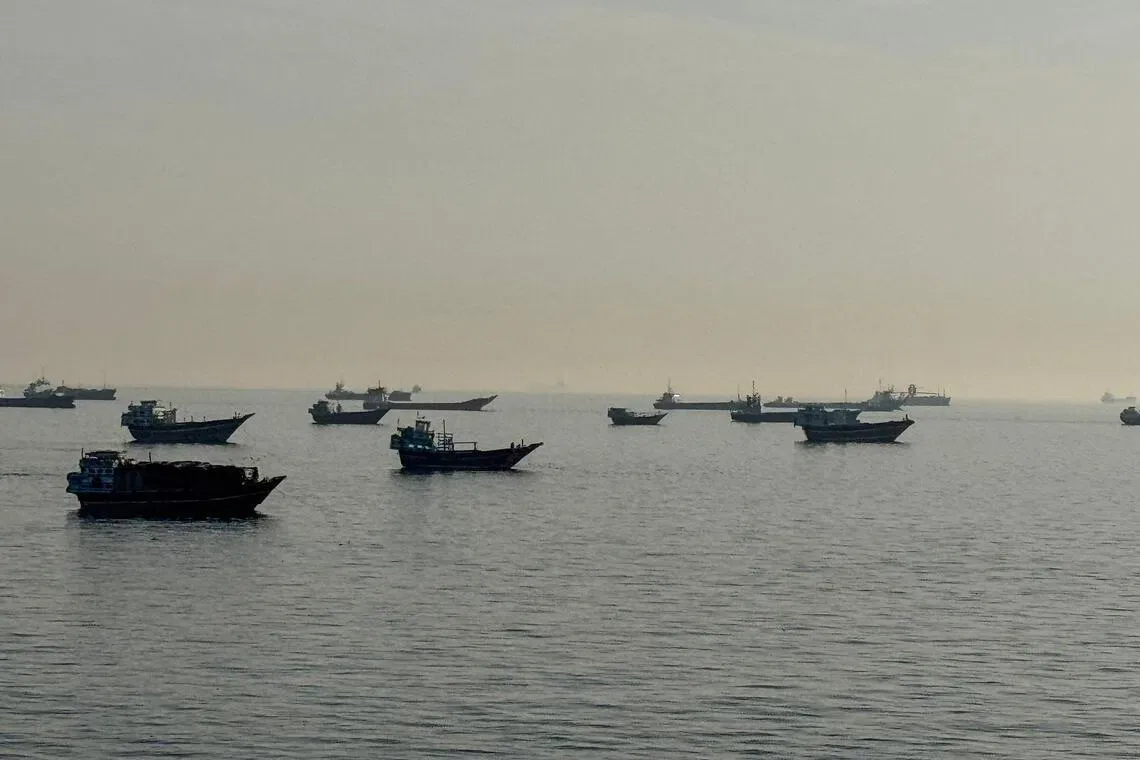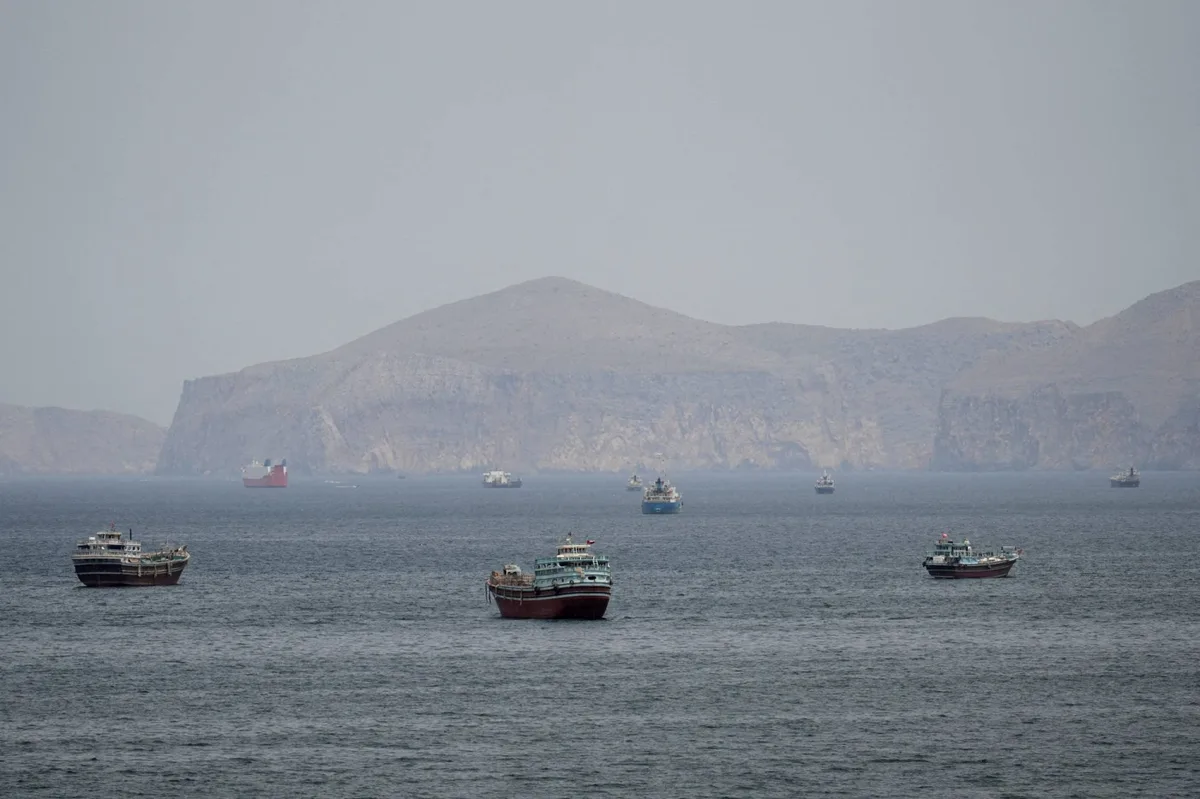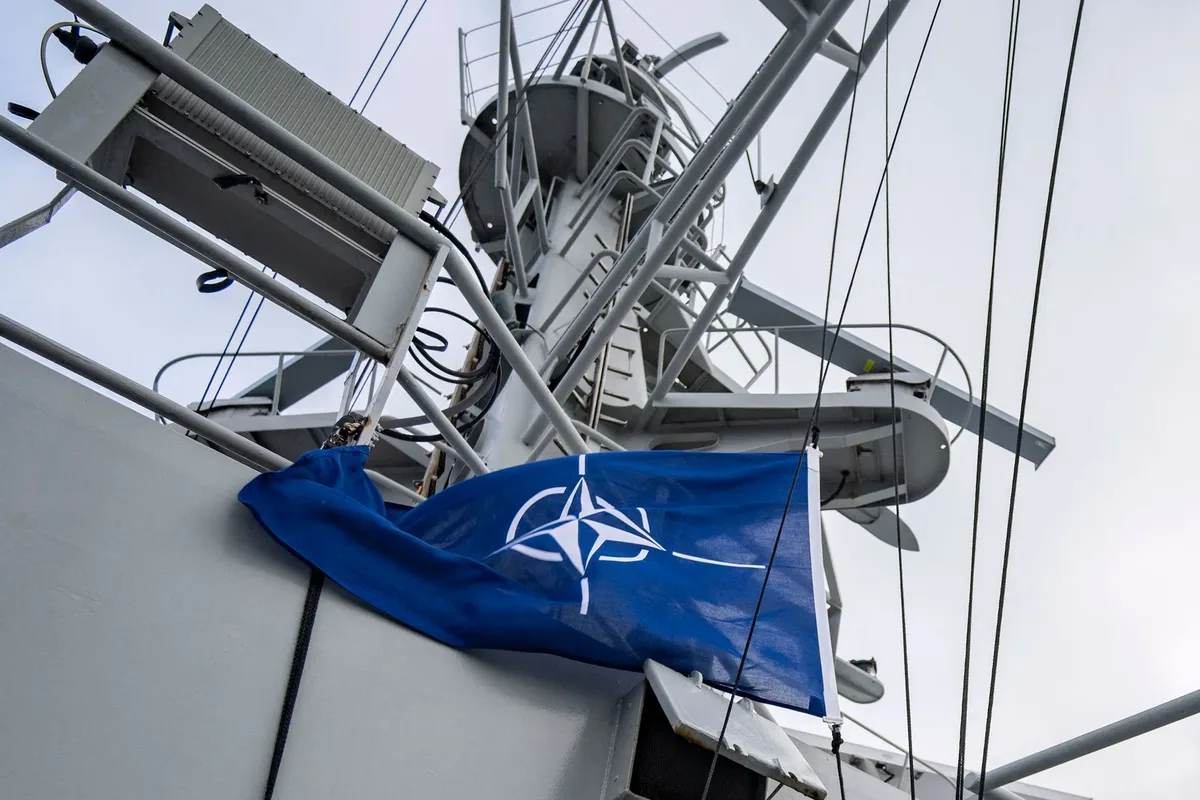
NATO is considering assisting ships to pass through the Strait of Hormuz if the waterway remains blocked after early July, following Iran's blockade that started in late February 2026 [1, 2]. The Strait of Hormuz handles roughly one fifth of global oil and liquefied natural gas supplies, making the disruption a major concern for energy markets [1].
The blockade began after US and Israeli military actions against Iran in late February, which prompted Iran to halt transit through the strategic waterway [1, 3]. This has caused soaring energy prices and lowered growth forecasts worldwide [1].
Any NATO mission would require unanimous approval from all 32 member countries, reflecting divisions within the alliance. While several NATO members support a deployment to protect navigation, others oppose involvement due to reluctance to be drawn into the conflict [1, 3].
Gen. Alexus Grynkewich, NATO's Supreme Allied Commander for Europe, said on May 19 that NATO is not currently drawing up formal plans. "The conditions under which NATO would consider operating in the Strait of Hormuz are ultimately a political decision. The political direction comes first, and then the formal planning happens after that. Am I thinking about it? Absolutely ... But there's no planning yet until the political decision is taken," he said [3, 4].
This contrasts with reporting that NATO is already discussing the possibility of deployment, suggesting some preparatory talks are underway but no concrete plans exist [s1,s3 versus s2,s4].
Separately, France and Britain are leading a coalition effort outside NATO to secure navigation through the Strait once fighting subsides [1, 3].
The next NATO summit is scheduled for July 7-8, 2026, in Ankara, where leaders are expected to discuss the Hormuz situation among other issues [1]. This meeting may determine whether NATO will approve a mission to secure this vital shipping route.
The dispute comes amid other NATO adjustments, including the recent announcement of a US troop withdrawal of 5,000 personnel from Germany, reflecting evolving strategic priorities [1].