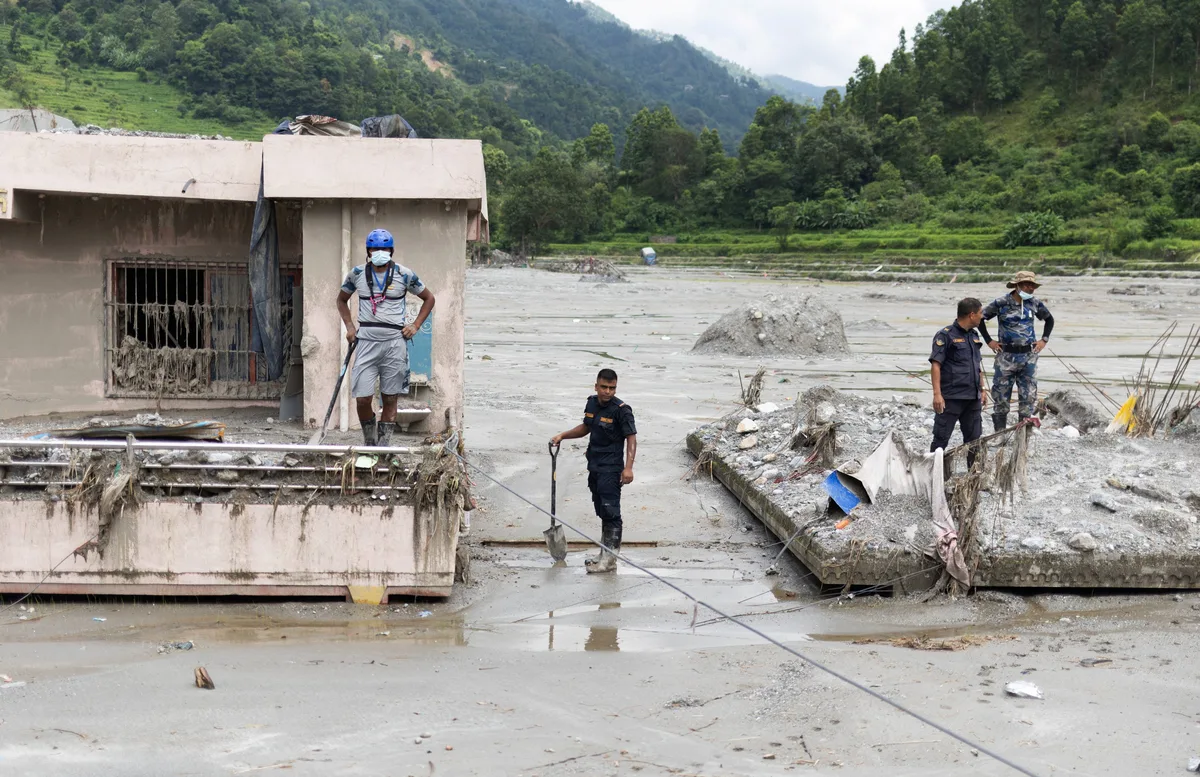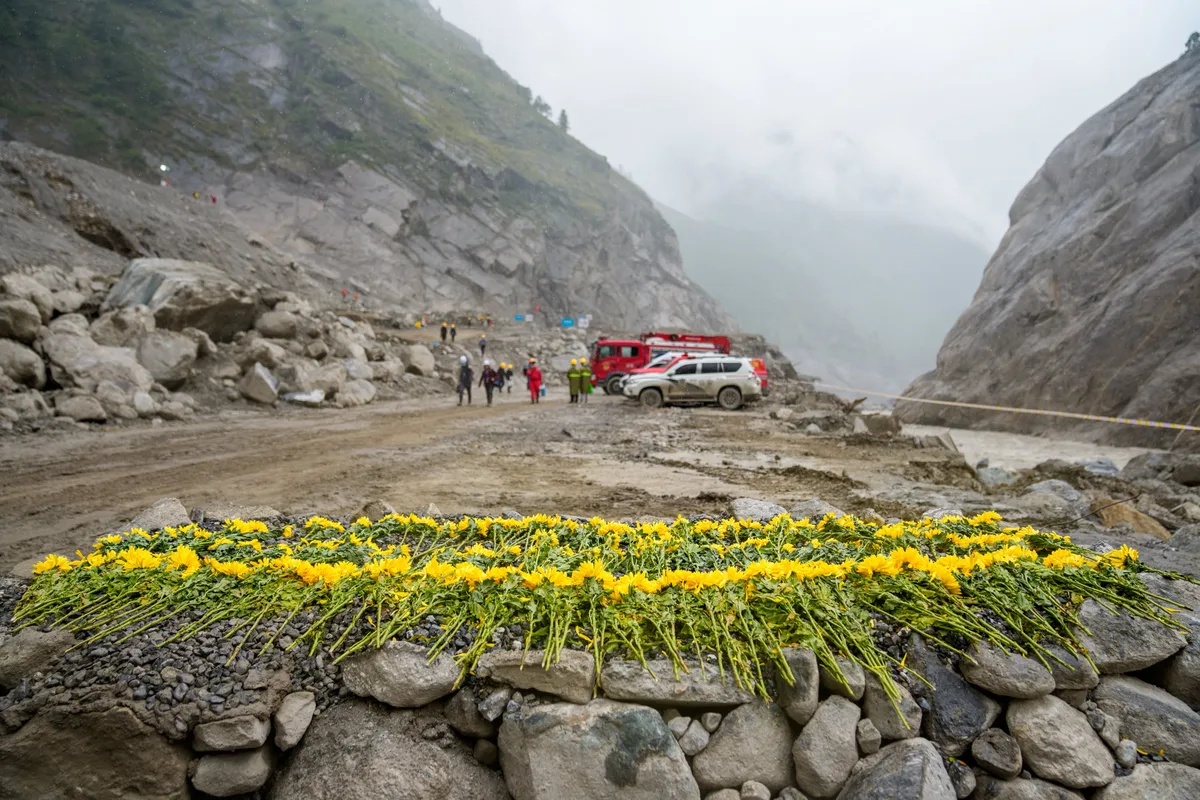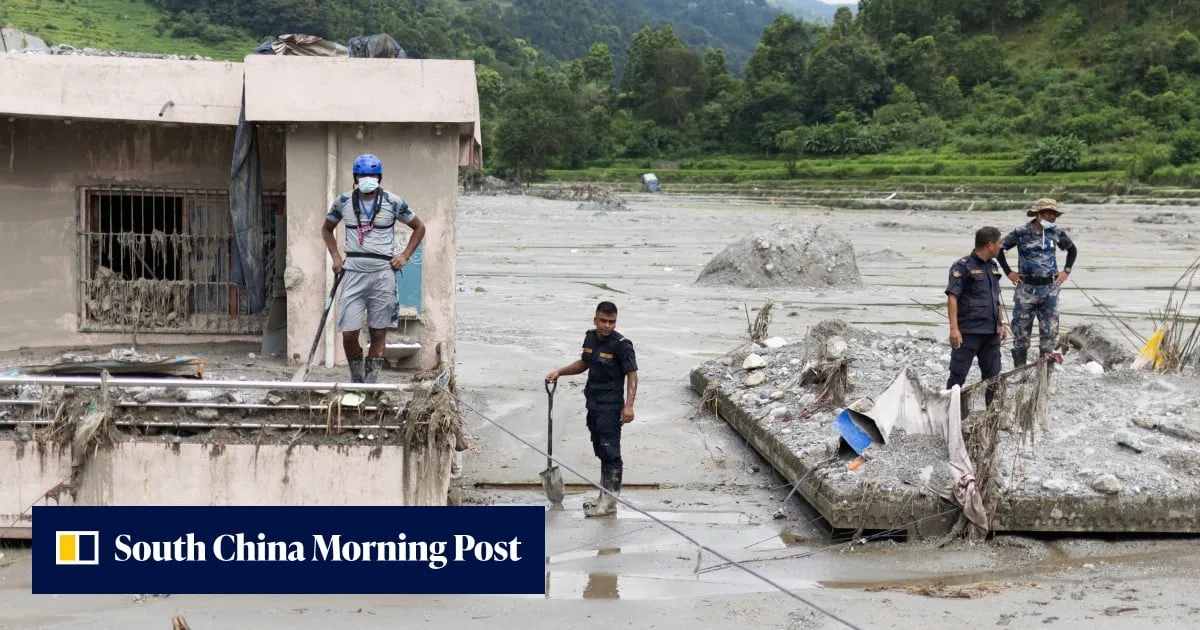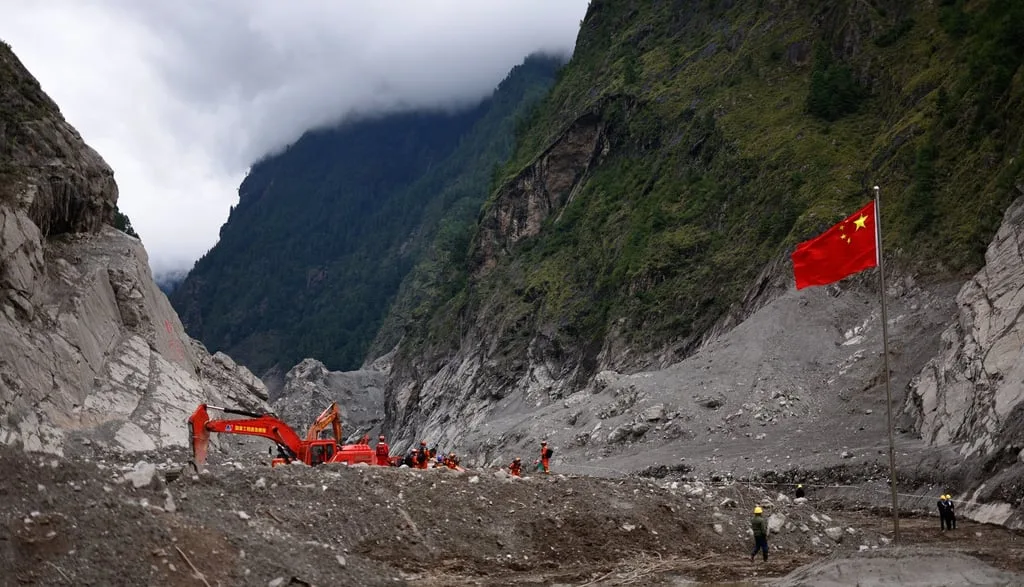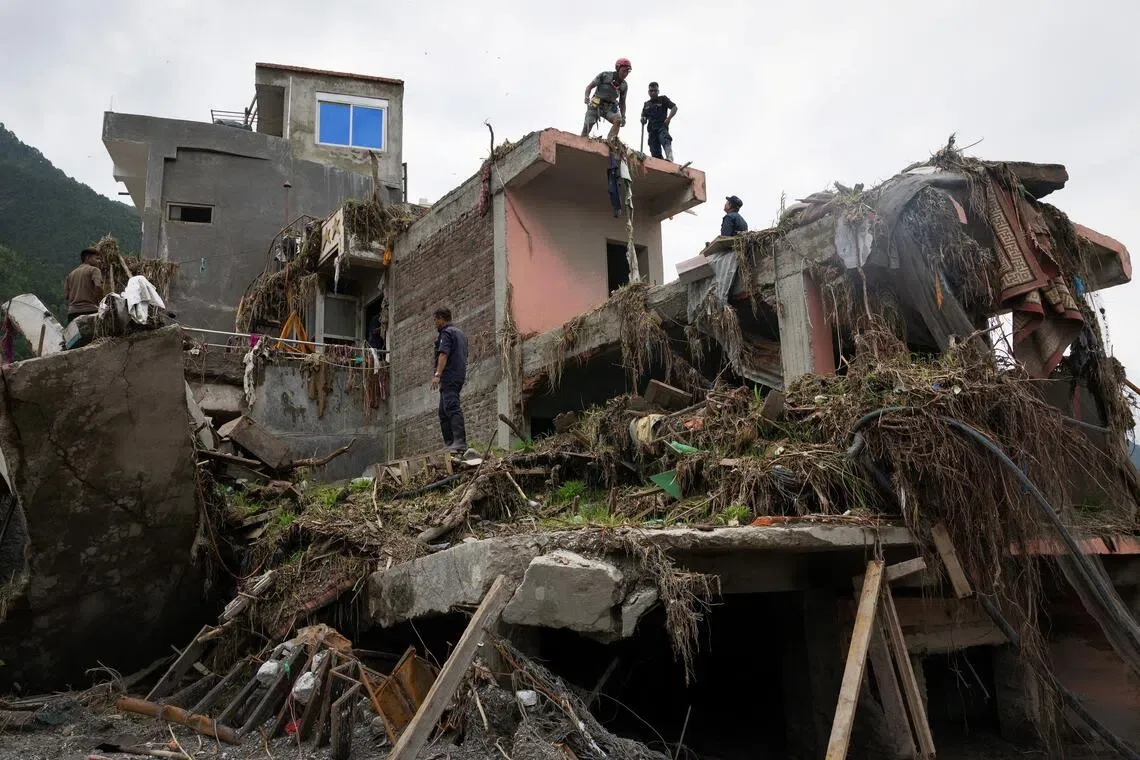
Nepal suffered catastrophic flooding on August 26 that killed 1,250 people and left thousands missing, officials confirmed [1, 2].
The government estimates the cost of recovery and rebuilding at a minimum of US$5 billion [1, 3, 2]. On September 1, Nepal sent a letter to the co-chairs of the UN climate fund for loss and damage seeking immediate aid to address the climate-related disaster [1, 3, 2]. The letter, however, did not specify an exact amount or detail the financial losses [1, 3, 2].
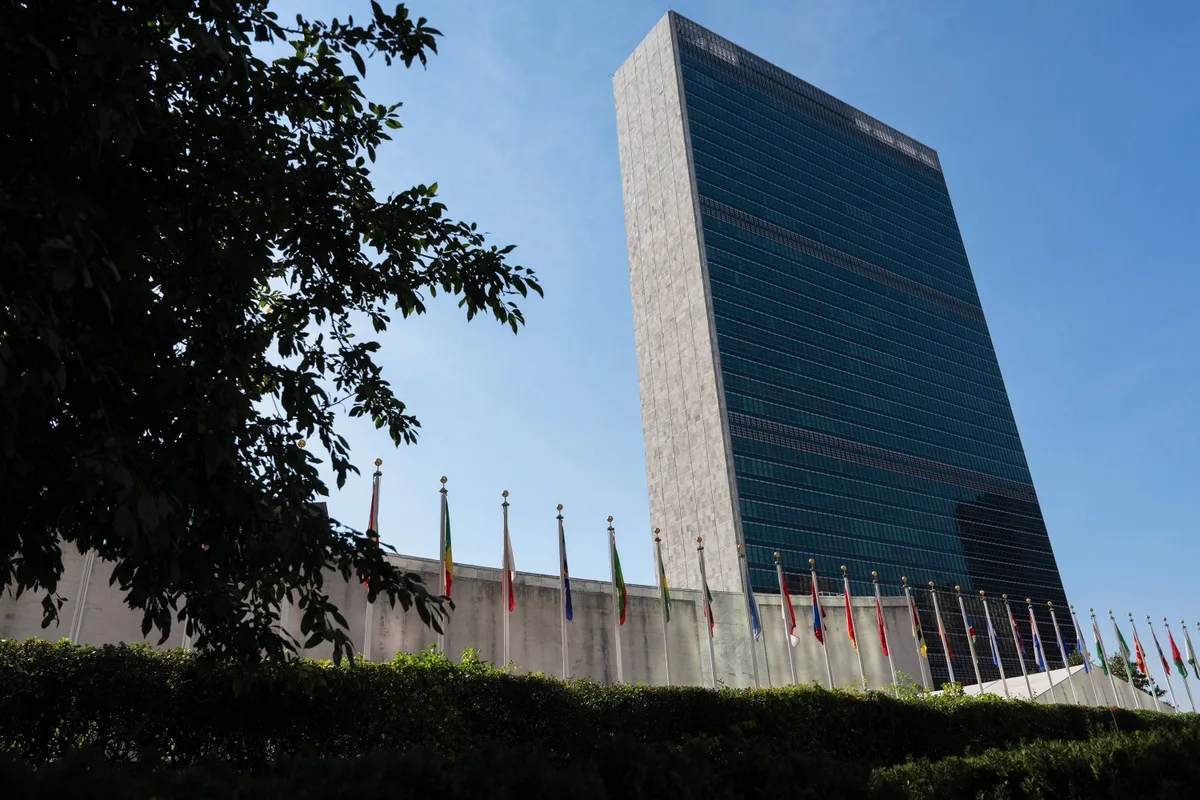
The fund was established in 2024 following climate talks in Sharm El-Sheikh in 2022 to assist developing nations disproportionately harmed by climate change impacts [1, 2]. Despite pledges totaling over US$822 million, actual contributions to the fund remain around US$485 million, leaving its capacity limited [3].
While the direct role of climate change in the August 26 floods is not yet fully established, experts note the vulnerability of the Himalayan region—where rising temperatures affect permafrost and glaciers—heightens risks of such extreme weather events [1, 3, 2].
Board members of the UN fund issued an open letter on September 2 calling for an extraordinary meeting to discuss Nepal's case, stating, "Disasters like the one in Nepal are precisely the kind of climate-related extreme weather events the fund was established to address" [1, 2]. However, the fund’s initial round for funding requests closed in June 2026, with the next scheduled meeting set for December 2026 [1, 2].
Nepal’s Foreign Minister Shisir Khanal emphasized the urgency, saying the "international community’s promises must move from commitments on paper to concrete action on the ground" [1, 3, 2].
The UN climate fund’s next scheduled meeting in December 2026 will consider funding requests, including Nepal’s appeal for flood recovery support [1, 2].