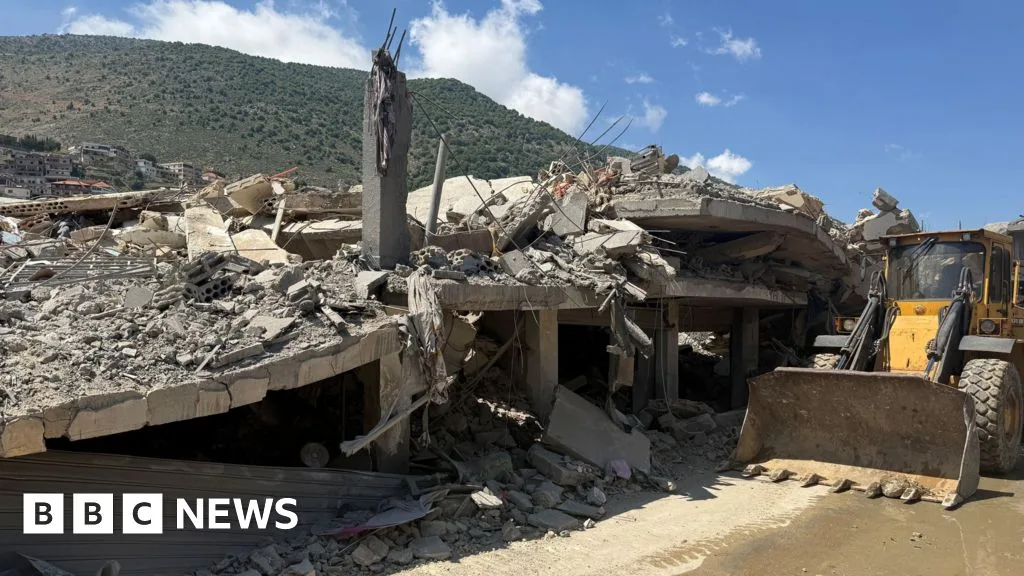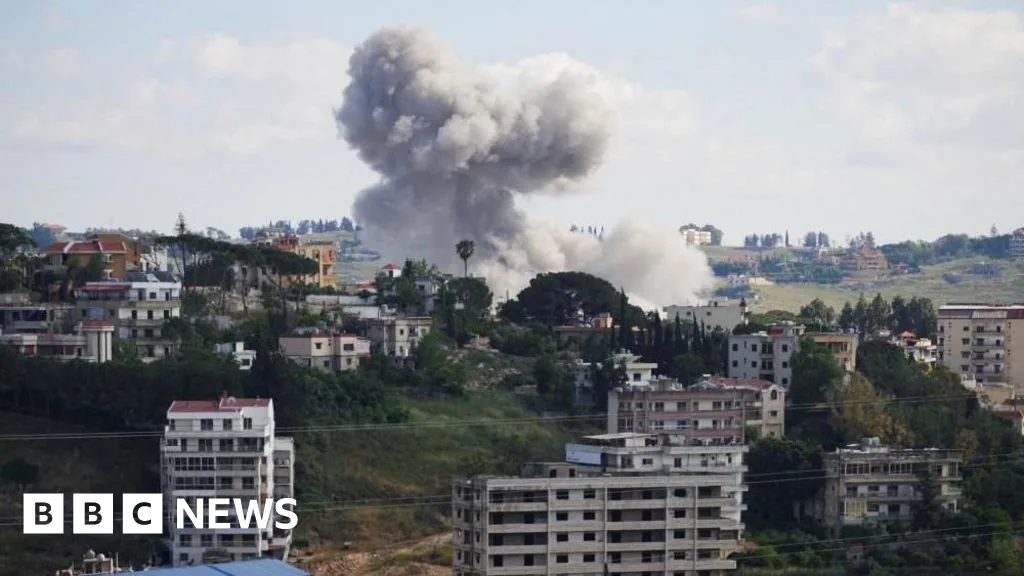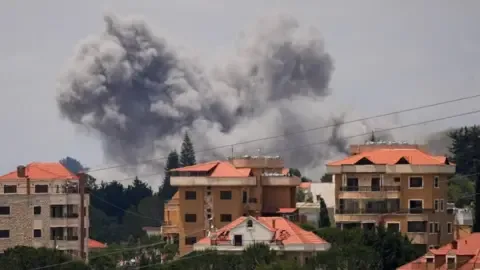
Israeli Prime Minister Benjamin Netanyahu ordered the military to intensify strikes against Hezbollah in Lebanon to "crush" the armed group, announcing acceleration of operations on May 25 [1, 2, 3]. Israeli forces launched airstrikes across southern Lebanon, including the Bekaa Valley and several towns, aiming at over 100 Hezbollah sites such as storage facilities, command centers, and observation points [1, 4, 5, 3].
The strikes, carried out on the evening of May 25 and continuing through May 26, included more than 120 airstrikes in one of the heaviest bombardment days recorded [4, 5]. Netanyahu declared: "We will intensify our blows, increase our firepower, and we will crush them" while acknowledging Hezbollah's use of drones, including fiber-optic explosive drones, which Israel is developing countermeasures against [2, 6].
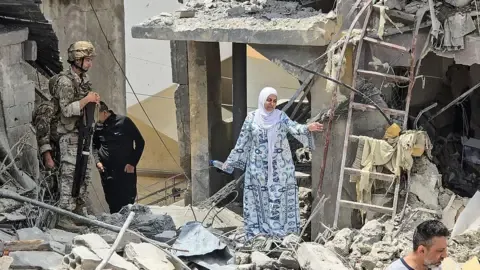
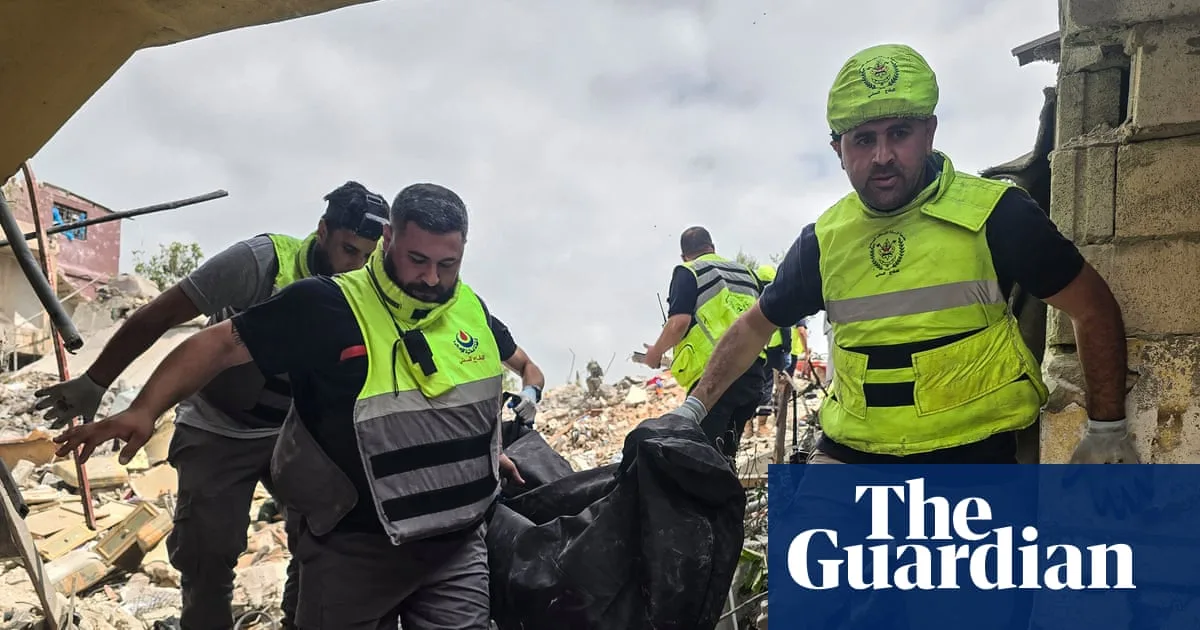
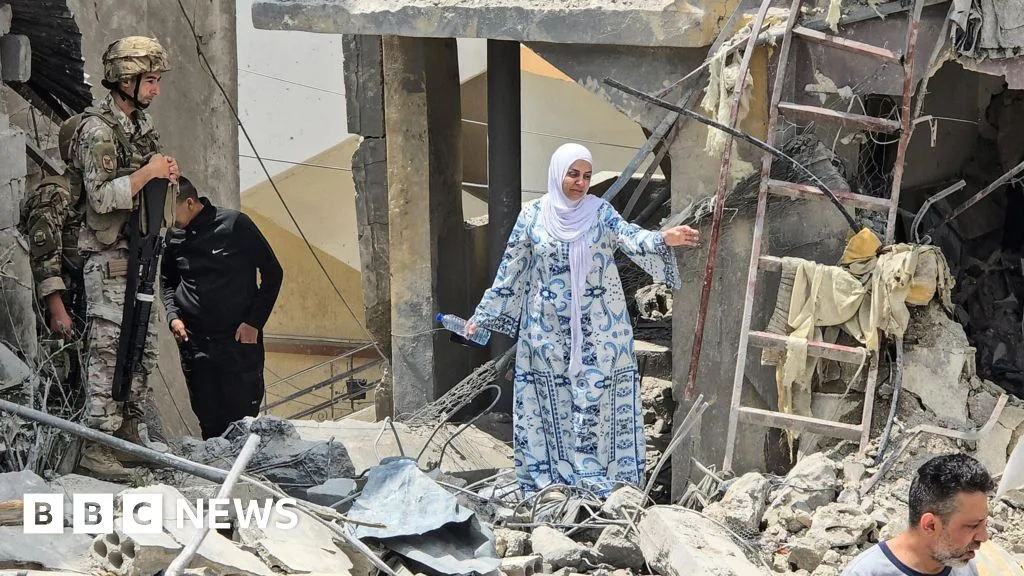
The Israeli military also ordered the evacuation of multiple villages in southern Lebanon, including the port city of Tyre, due to the intensified operations [7, 3]. However, the airstrikes have caused civilian casualties, with at least 11 killed in Mashghara, including two children, as well as deaths in Burj al-Shamali, Arab Salim, and Kauthariyet El Rez [4, 5, 3]. Israeli aircraft have also used incendiary phosphorus munitions, igniting fires on Lebanese farmland and forests [6].
Hezbollah has fired rockets and drones into northern Israel since the conflict escalated, including drones designed to evade Israeli defenses [1, 4, 8]. Since March, Hezbollah fighters have killed at least 23 Israeli soldiers, according to Israeli reports [7, 9]. The war's death toll in Lebanon has surpassed 3,200, as per Lebanese health authorities [7, 6].
The war escalated sharply on February 28 after an Israeli strike killed Iran’s supreme leader. Hezbollah responded with rocket fire into Israel, starting months of clashes [1, 7]. A US-brokered ceasefire began on April 16 but has been repeatedly violated by both sides [1, 7, 10].
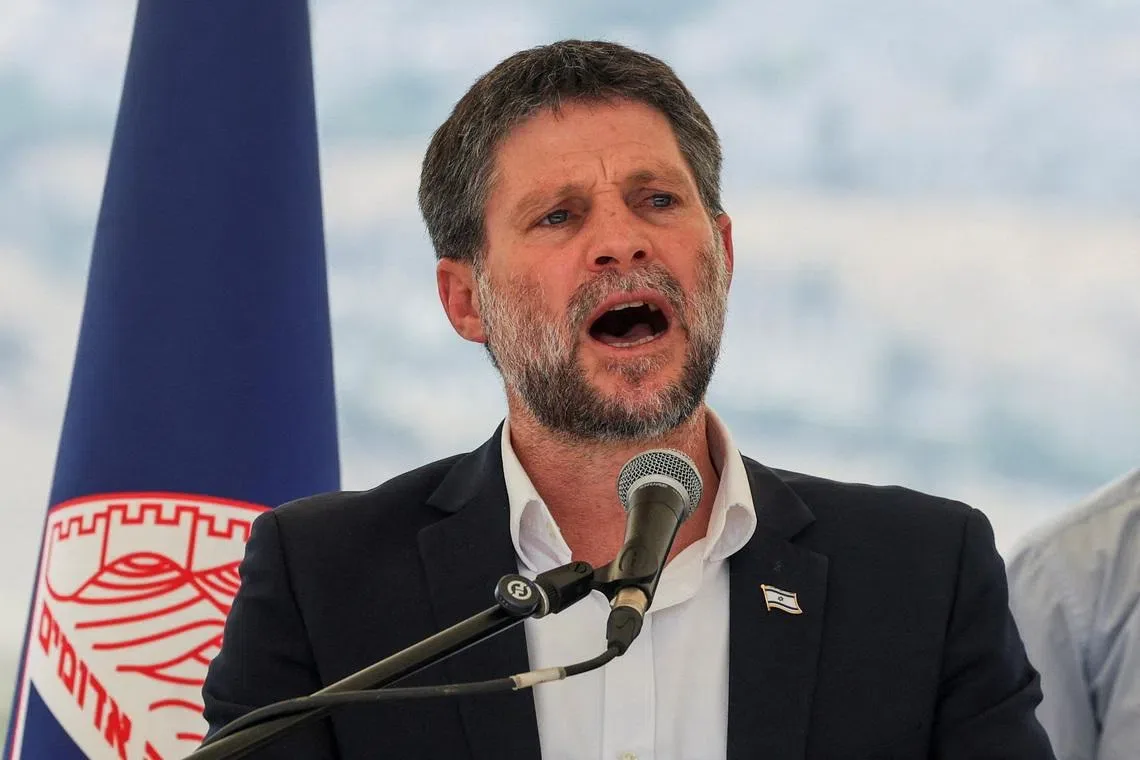
Israeli far-right ministers called for resuming strikes on Beirut in retaliation for Hezbollah's drone attacks. Netanyahu rejected these suggestions, favoring defense and focused strikes over broader bombing of the Lebanese capital [8]. Iranian negotiators have insisted any peace deal with the US must include a comprehensive ceasefire on all fronts, including Lebanon [1, 10].
The ongoing offensive follows Netanyahu’s promise: "We will deal them a crushing blow" and reaffirms Israel's strategy to degrade Hezbollah’s military capabilities while countering new drone threats [1, 2].