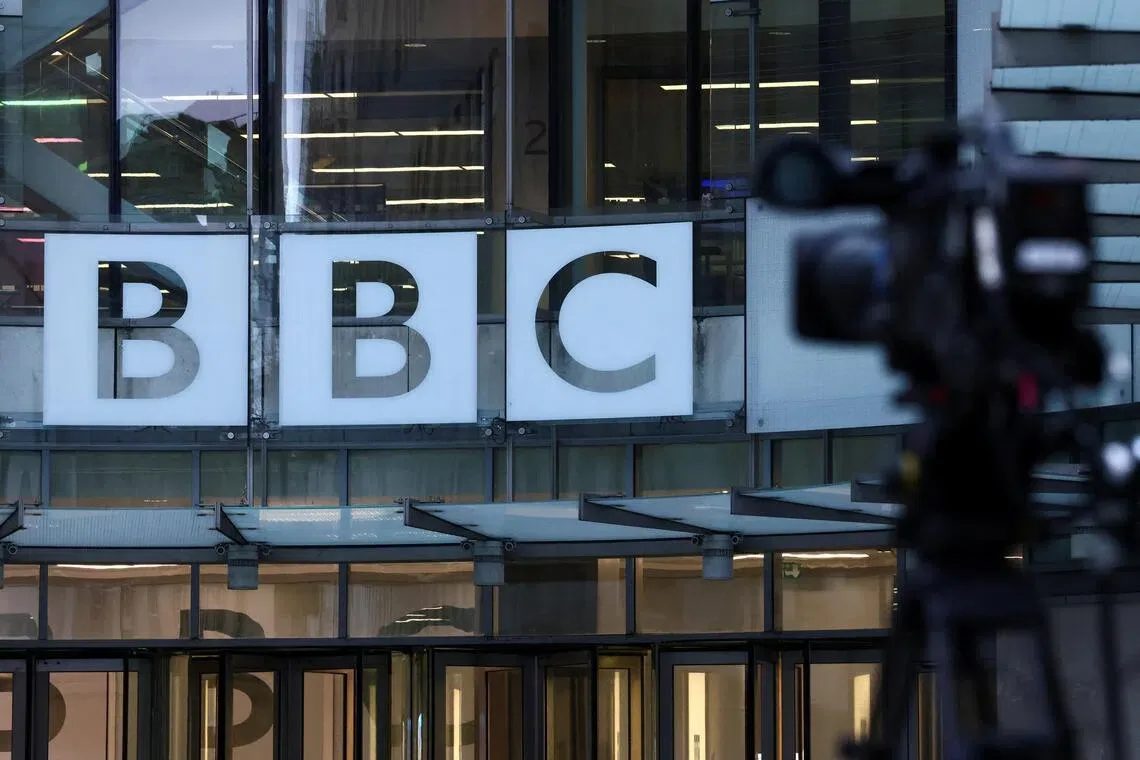
Netflix overtook the BBC as the top TV viewing choice in the UK in 2025, with 26% of British viewers picking it as their first choice, according to Ofcom data released recently [1, 2, 3]. The BBC followed closely at 25%, while ITV ranked third with 15% of viewers naming it their first choice, reflecting growing competition from streaming and online platforms [1, 2, 3].
Viewing of broadcaster-owned streaming services such as BBC iPlayer, ITVX, Channel 4 Streaming, and My5 grew by 9% year-on-year, marking them as the fastest-growing TV service category in the UK [1, 2, 3]. Around 70% of British households now subscribe to streaming services, a figure that has stabilized following rapid expansion during the COVID-19 pandemic [1, 2, 3].
Traditional broadcast TV saw a decline in weekly reach among Britons, dropping to 70% in 2025 from 73% in 2024 and 78% in 2022 [1, 2, 3]. Despite this, major live broadcast events continue to draw large audiences. For example, the England vs Argentina World Cup semi-final on July 15, 2025, attracted a peak BBC audience of 24 million viewers, with an average of over 22 million across its platforms [1, 2, 3].
YouTube viewing on TV screens also surged in 2025. The average daily time spent watching YouTube on TV doubled to 19 minutes per person from 9 minutes in 2022 [1, 2, 3]. Across all devices, total daily YouTube viewing increased from 33 to 41 minutes. Older viewers showed growing adoption; weekly YouTube reach among those aged 75 and older rose to 33% in 2025 from 28% in 2022 [1, 2, 3].
The data highlights a shifting TV landscape in the UK, with streaming services now firmly entrenched but live broadcast events remaining highly popular. The report reflects viewing patterns through 2025 and sets a baseline for tracking changes in 2026.