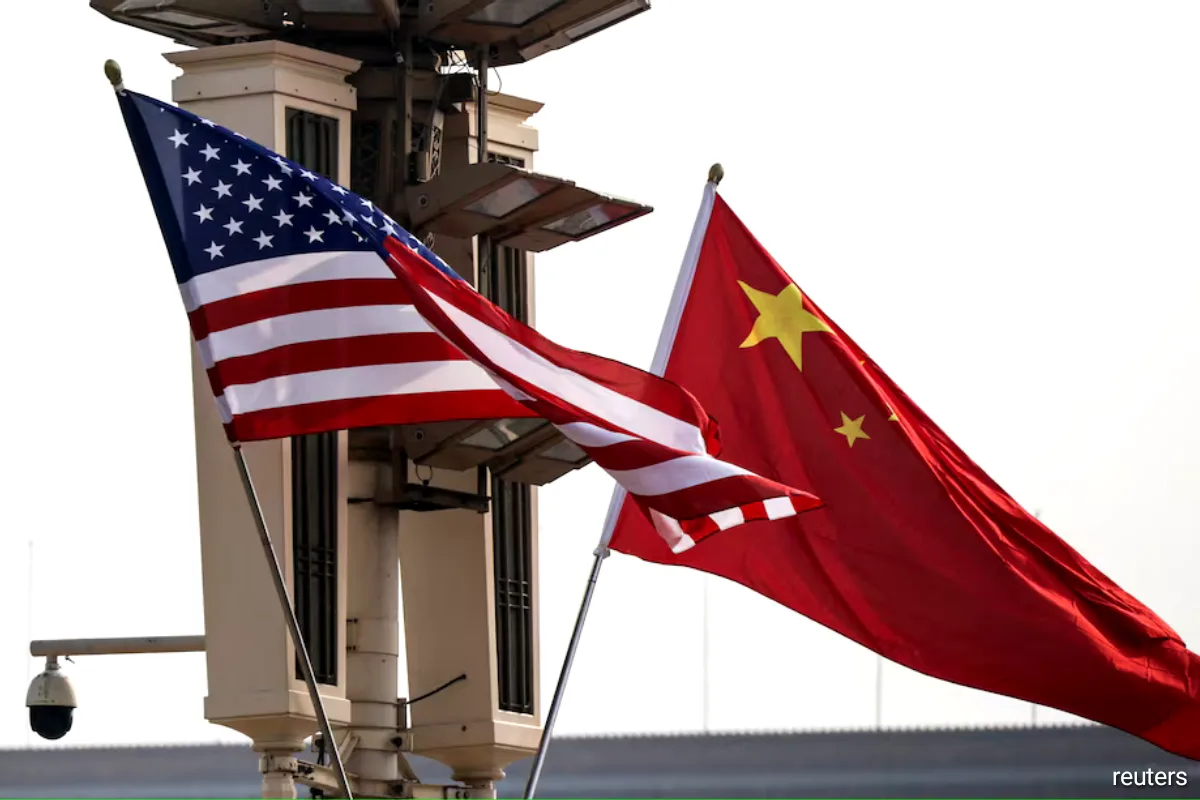
A survey by the Asia New Zealand Foundation conducted in January and February 2026 found 35% of New Zealanders see the United States as a threat, while 39% consider it a friend, marking a decline in positive views of the US from the previous year [1, 2, 3]. In contrast, 43% of respondents see China as a friend and 23% as a threat [1, 2, 3]. This is the first time in roughly a decade New Zealanders have viewed the US as more threatening than China [1, 2, 3].
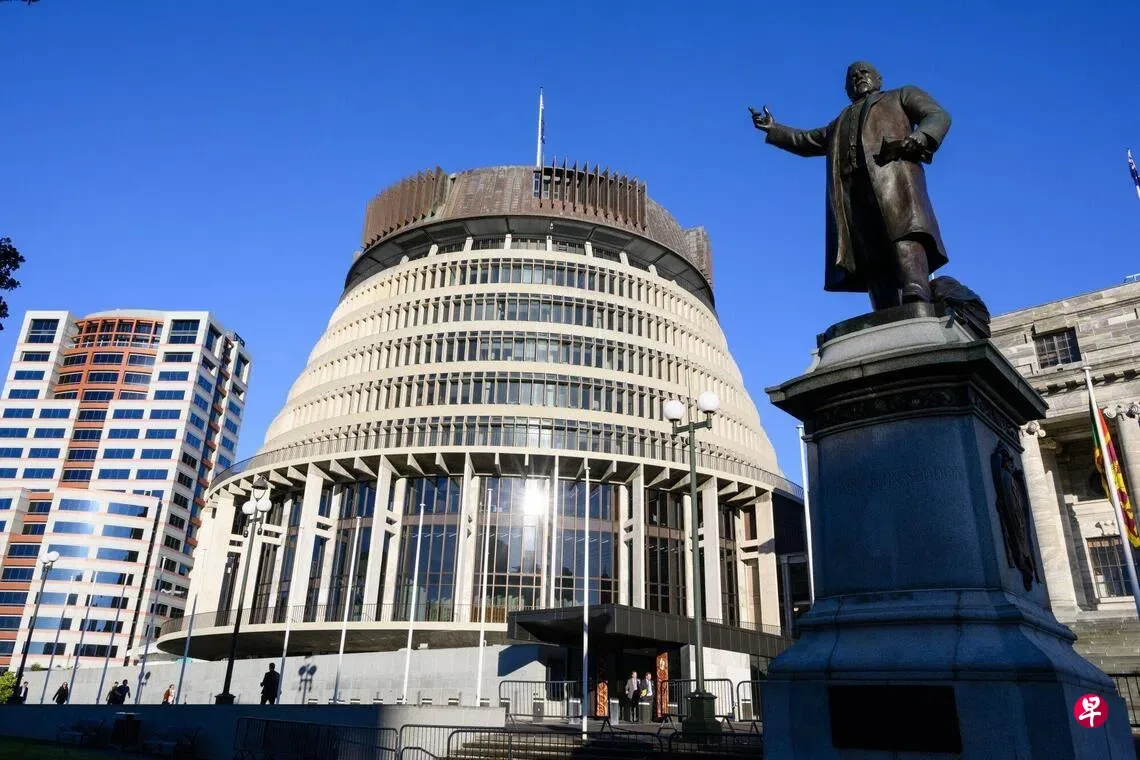
The survey, which included 2,300 respondents, highlights shifting public attitudes amid growing economic concerns. New Zealanders have been affected by US tariffs impacting exporters and rising oil prices linked to the US-Israeli conflict with Iran, adding pressure to the economy [1, 2]. David Capie, an international relations professor at Victoria University of Wellington, said New Zealanders "still understand their sense of security largely through an economic lens, and so tariffs and disruption to global trade weigh heavily on those calculations" [1].
Despite the cooler view of the US, 81% of New Zealanders still consider developing ties with Asia important. Suzannah Jessep, chief executive of the Asia New Zealand Foundation, noted, "There is a growing recognition that prosperity, resilience and security will depend on the depth and quality of our relationships across Asia" [1].
New Zealand has deepened defense, security, and technology cooperation with the US, viewing it as central to Indo-Pacific stability and a counterbalance to China’s influence [1, 2]. However, worsening sentiment toward the US in New Zealand echoes a wider trend seen across Western liberal democracies. A University of Sydney poll in December 2025 found that most Australians, Japanese, and Indians viewed the second term of former US President Donald Trump negatively [1, 2]. Capie added that "souring U.S. sentiment followed a broader pattern across Western liberal democracies" [1].
The Asia New Zealand Foundation survey captures public opinion as regional and global dynamics continue to evolve. The foundation plans to release further analysis later this year on how these perceptions influence New Zealand’s foreign policy and trade strategies [1, 2, 3].