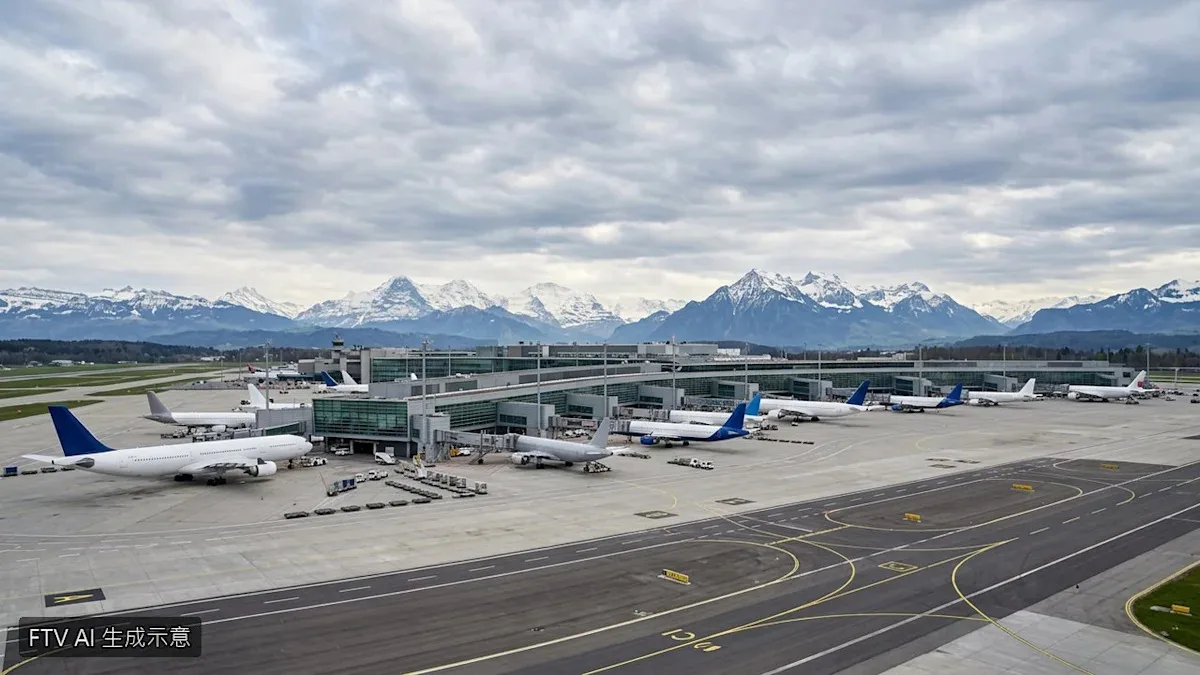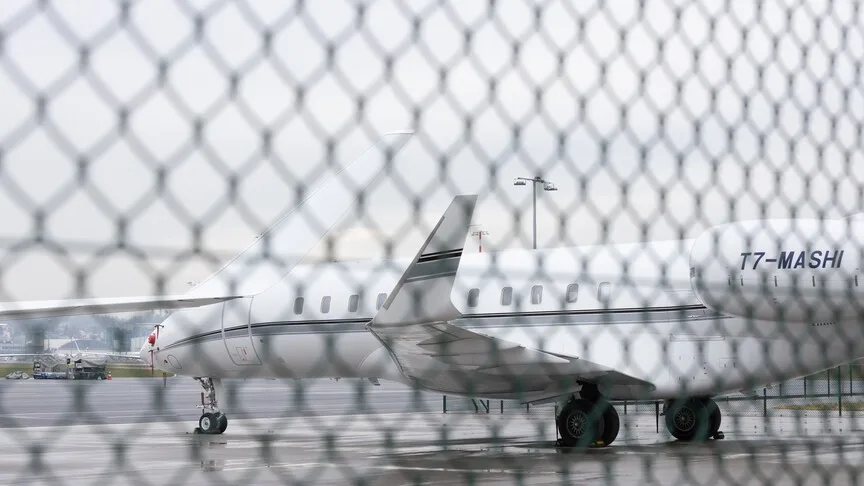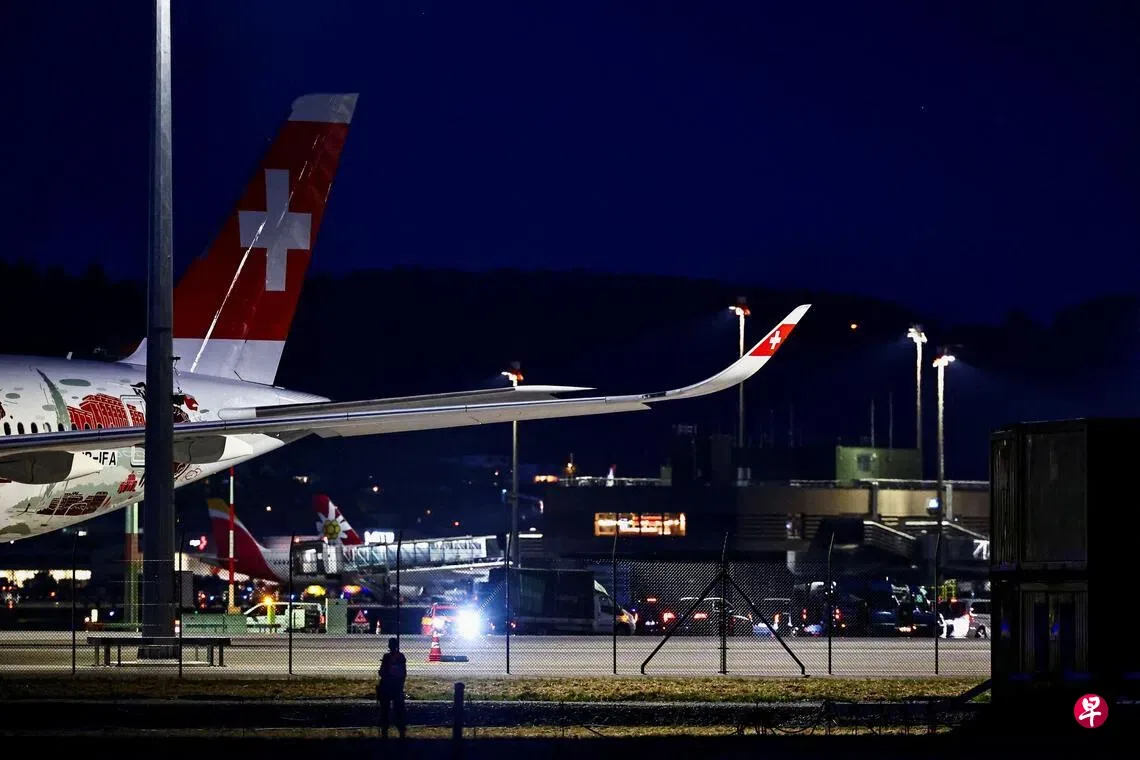
A technical fault in Swiss air traffic control systems disrupted flights at Zurich Airport on June 21, 2026, after a last-minute no-fly zone was established over Buergenstock, the site of ongoing US-Iran peace talks [1, 2, 3, 4]. The no-fly zone was decided on June 20 due to the high-profile negotiations involving US Vice President JD Vance and Pakistani mediation [1, 2, 3, 4].
The integration of the no-fly zone into radar display systems at Skyguide’s Dubendorf control center and the Zurich Airport control tower caused a technical fault. This led to 12 arrivals and 14 departures being canceled, while at least 60 departures faced delays during the morning [1, 2, 4]. Airspace east of Bern was temporarily closed for several hours, preventing takeoffs at Zurich Airport for part of the morning, although landings continued until about 6:45 a.m. local time [3].
Skyguide emphasized that safety was maintained throughout the disruption. A spokesperson said, “The systems are running smoothly, and security was ensured at all times” [1]. Air traffic control began gradually restoring operations from 7:45 a.m., with normal flight movements resuming thereafter [1, 2, 3, 4].
Despite the disruptions, delegations attending the peace talks, including Vice President Vance, were able to land as planned [1, 3, 4]. The talks aim to advance a tentative peace deal but were overshadowed by Iran’s announcement of reimposing its blockade of the Strait of Hormuz [1, 2, 3, 4].
The restricted airspace will remain in place with slight capacity reductions as a precaution until 8 a.m. on June 22, 2026 [3].