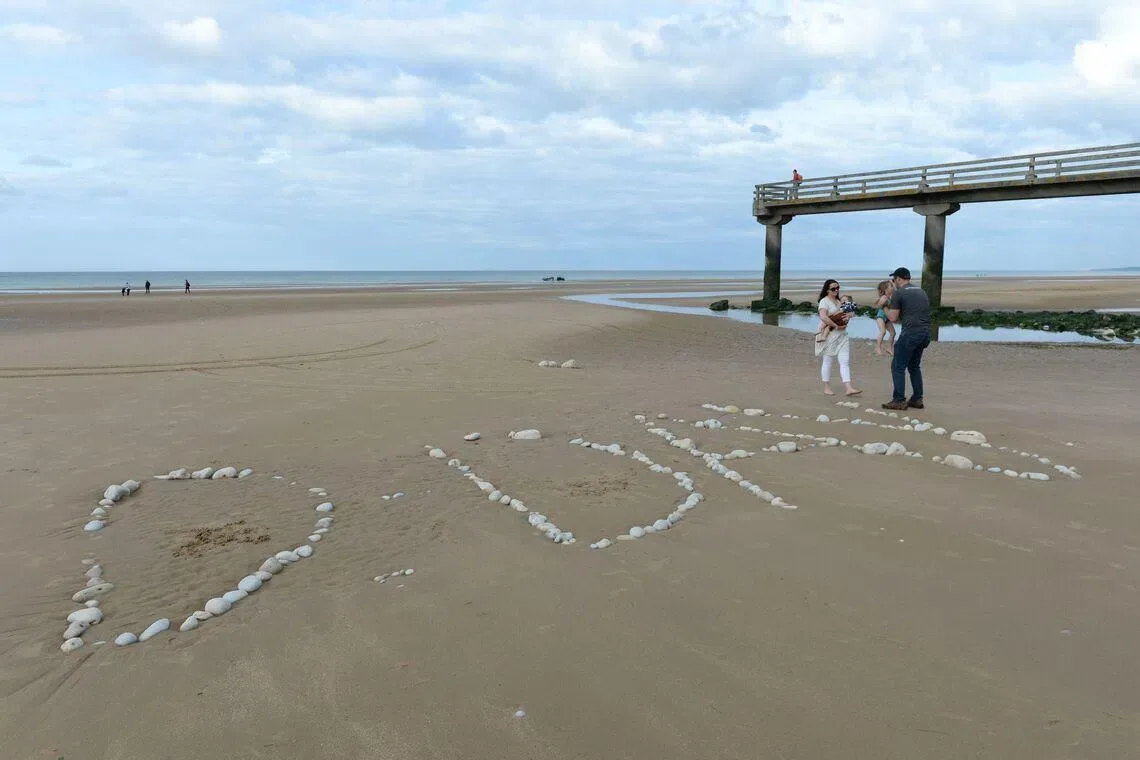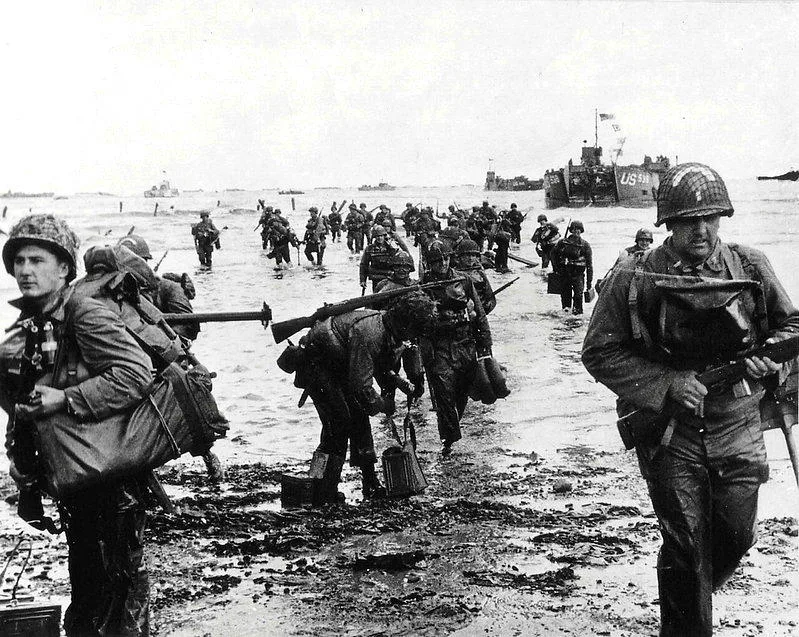
The iconic D-Day landing beaches in Normandy, stretching over 80 kilometers along France’s northwest coast, were inscribed on UNESCO’s World Heritage List on July 26, 2026 [1, 2, 3]. The listing covers the five beaches codenamed Utah, Omaha, Gold, Juno, and Sword, where Allied forces landed on June 6, 1944, to begin the liberation of Europe in World War II [1, 2, 3].
Approximately 156,115 Allied troops participated in the landing, arriving by sea or air behind German defenses [2]. Soldiers represented more than a dozen Allied nations, including the United States, United Kingdom, Canada, Belgium, Norway, Poland, Luxembourg, Greece, Czechoslovakia, New Zealand, Australia, and about 177 French commandos [2, 4, 5].
The beaches and surrounding areas preserve extensive wartime remains, such as German fortifications, battle terrain, Allied port facilities, and shipwrecks related to the 1944 battles [3]. UNESCO described the site as an "exceptional cultural landscape shaped both by the events of 1944 and by their enduring remembrance," which justified its protection as a heritage site [2].
The Normandy region’s president, Herve Morin, said the inscription "places a responsibility upon us. It compels us to preserve this property, to protect it, to cherish it even more, and to promote its value" [1]. The beaches are regular sites of commemorations attended by world leaders from the U.S., U.K., Canada, and France [2, 4, 5].
The French permanent UNESCO representative noted that amid rising global conflicts, the listing carries special significance, calling Normandy a key point from global conflict to postwar peace and security [3]. The Normandy D-Day beaches join more than 50 French sites already on the UNESCO list, including Mont-Saint-Michel and the Palace of Versailles [1].
The official inscription came at UNESCO’s 48th World Heritage Committee session on July 26, 2026 [1, 2, 4, 5, 3]. Authorities have committed to preserving and promoting the site’s value for future generations [1, 3].