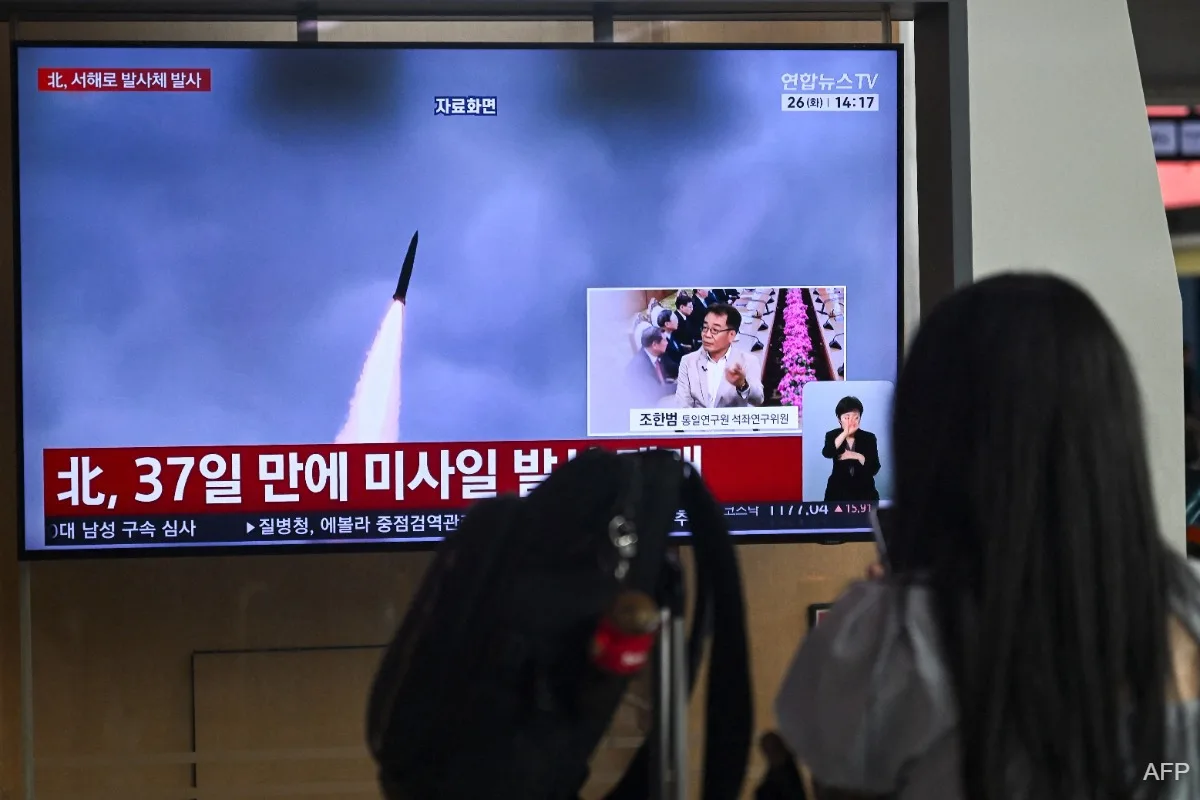
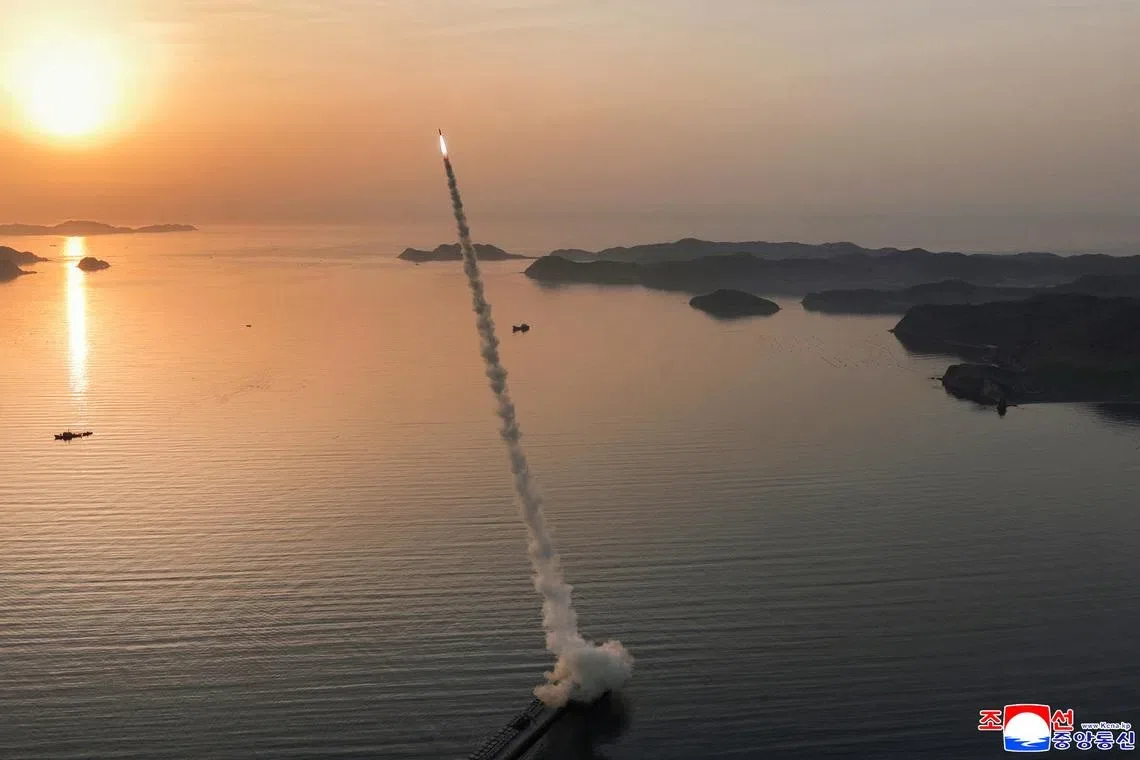
North Korea fired several projectiles, including a short-range ballistic missile, into the Yellow Sea from Chongju on May 26, 2026, marking its first missile launch since April 19 [1, 2, 3]. South Korea's Joint Chiefs of Staff reported detecting "several projectiles," specifying the ballistic missile flew about 80 kilometers [2]. This launch increased the total number of North Korean missile launches in 2026 to eight [2].
In April, North Korea tested ballistic missiles equipped with cluster bombs along with reports of a new cluster-bomb warhead and an electromagnetic weapon [1]. Analysts say these repeated tests are efforts by Pyongyang to solidify its nuclear status and exploit weakening international controls [1, 3]. One said, "By conducting a series of missile tests in recent months, Pyongyang may be trying to take advantage of eroding international norms to cement its nuclear status" [3].
North Korea has repeatedly called South Korea its most hostile adversary and rejected diplomatic outreach efforts [2, 3]. In March, leader Kim Jong Un declared his country’s status as a nuclear-armed state irreversible and stressed the need to expand the country's "self-defensive nuclear deterrent" for national security [1].
Following the launches, South Korea’s military and its allies, the US and Japan, are maintaining full readiness and continuing to share intelligence [2]. The joint monitoring aims to track further missile activity and respond to potential threats in the region.
The next major event to watch will be any official statements or international responses following this latest missile launch as tensions remain high in the region.