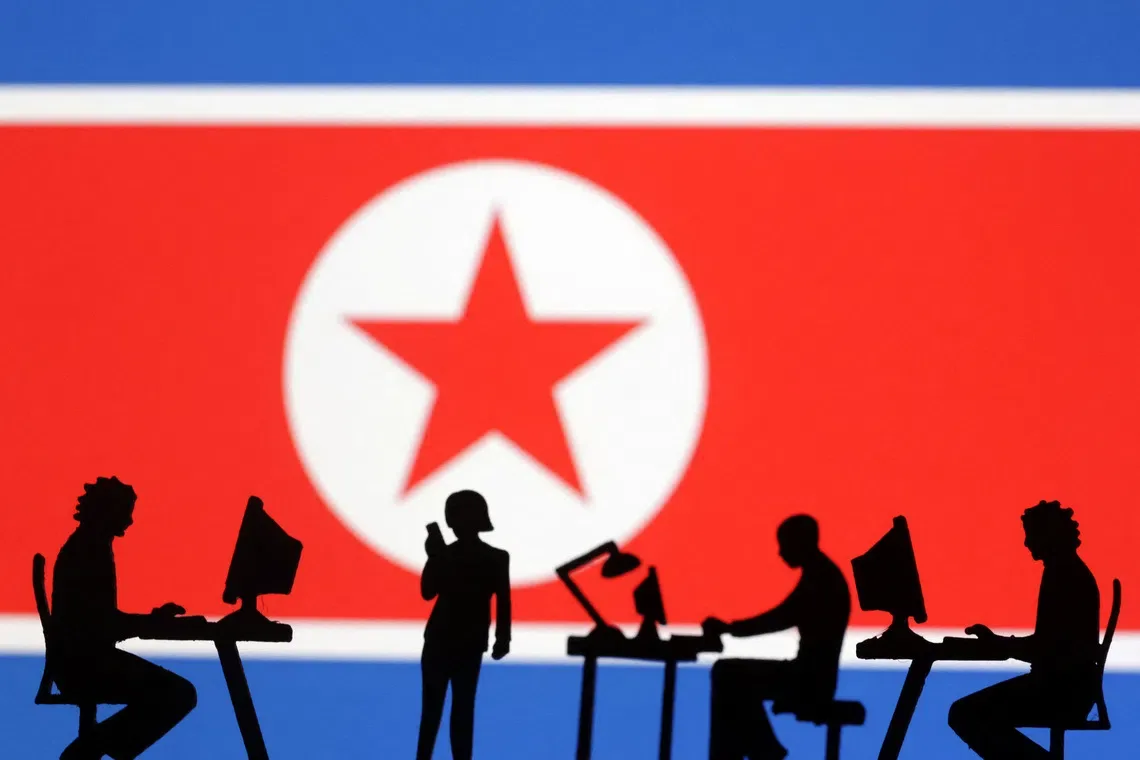
On July 31, the United States, South Korea, Japan, and eight other countries issued a joint alert accusing North Korean IT workers of using false identities to generate revenue for Pyongyang's nuclear and missile programs through covert cyber operations [1, 2, 3, 4]. The alert detailed that North Korean operatives employ advanced technologies, including artificial intelligence, to conceal their activities, posing risks of data, cryptocurrency, and sensitive information theft [1, 2, 3, 4].
In response on August 4, North Korea's Foreign Ministry spokesperson rejected the warnings as politically motivated and baseless, aimed at tarnishing the country’s image and pressuring sovereign states [1, 2, 3, 4]. The spokesperson accused the US of monopolizing core cyberspace resources and possessing the world's largest cyber force, saying, "It is illogical that the US, which has possessed and operated the biggest cyber force in the world by monopolising the core resources of cyber space, is talking about ‘cyber threat’ from other countries" [1].
North Korea further accused the US of militarizing cyberspace through its cyber capabilities, joint cyber exercises, and AI development [1, 2, 5]. The country vowed to safeguard its national security and development interests against Western pressure while dismissing all cyber threat allegations as groundless [1, 2, 5].
Separately, North Korean military commentators condemned the US, Japan, and South Korea for escalating security tensions in the Asia-Pacific by expanding joint military exercises, including the US-led RIMPAC naval drill [1, 2, 5]. Describing the 2026 RIMPAC exercise as "a rehearsal for aggression," the commentator noted it involved over 30,000 personnel, more than 30 warships, 5 submarines, and nearly 190 aircraft [5].
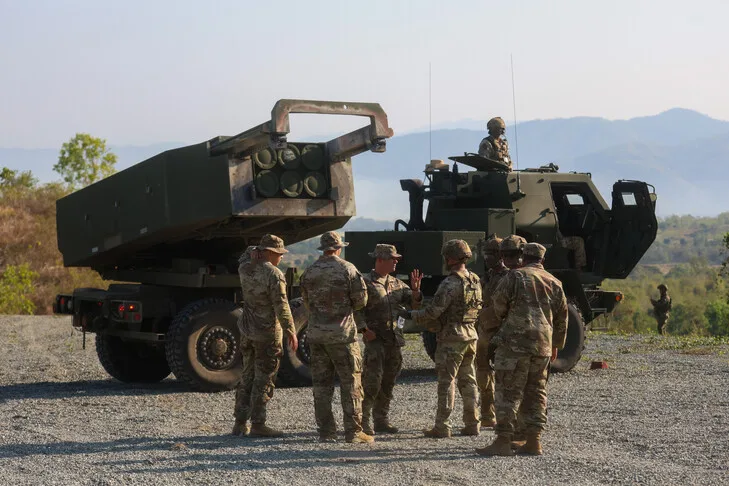
North Korea also criticized recent US-South Korea air and logistics drills, the strengthening of US command structures in Japan, and deployment of advanced US missile systems in the region [5]. The country warned it would meet these new-level threats with new-level deterrence [5].
The joint cyber threat alert from the 11 countries was issued on July 31, while North Korea’s denouncement and military commentary came on August 4 [1, 2, 3, 5, 4].