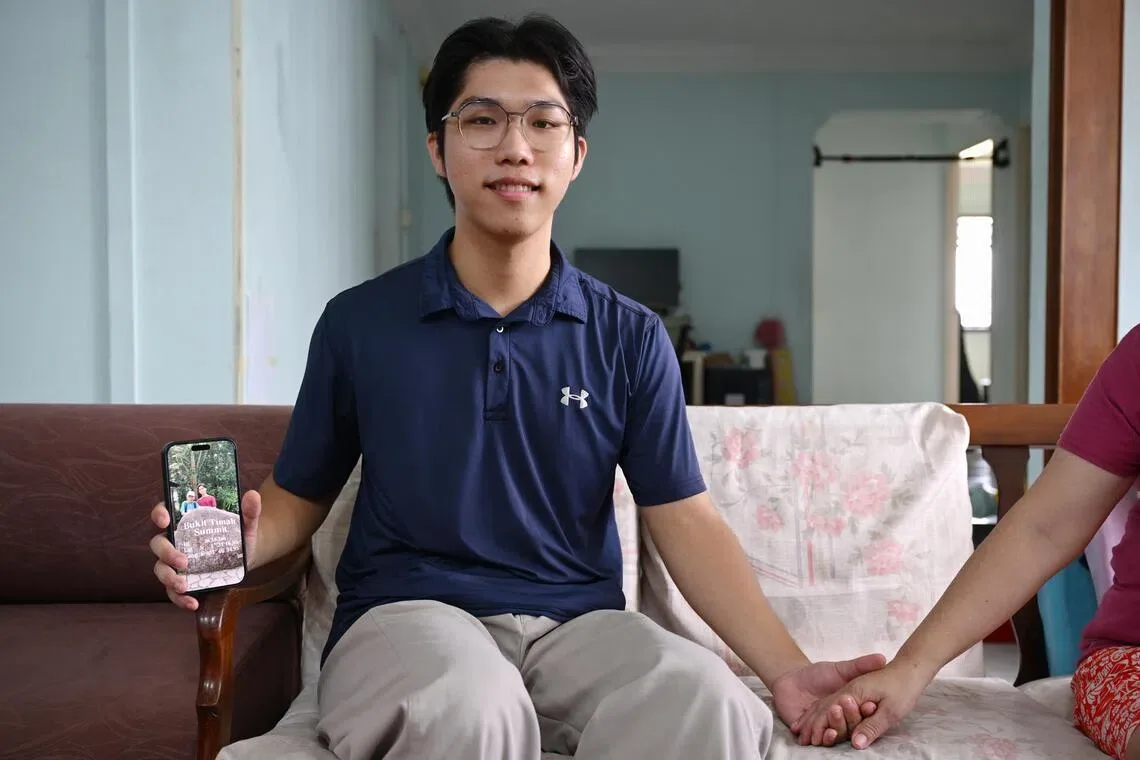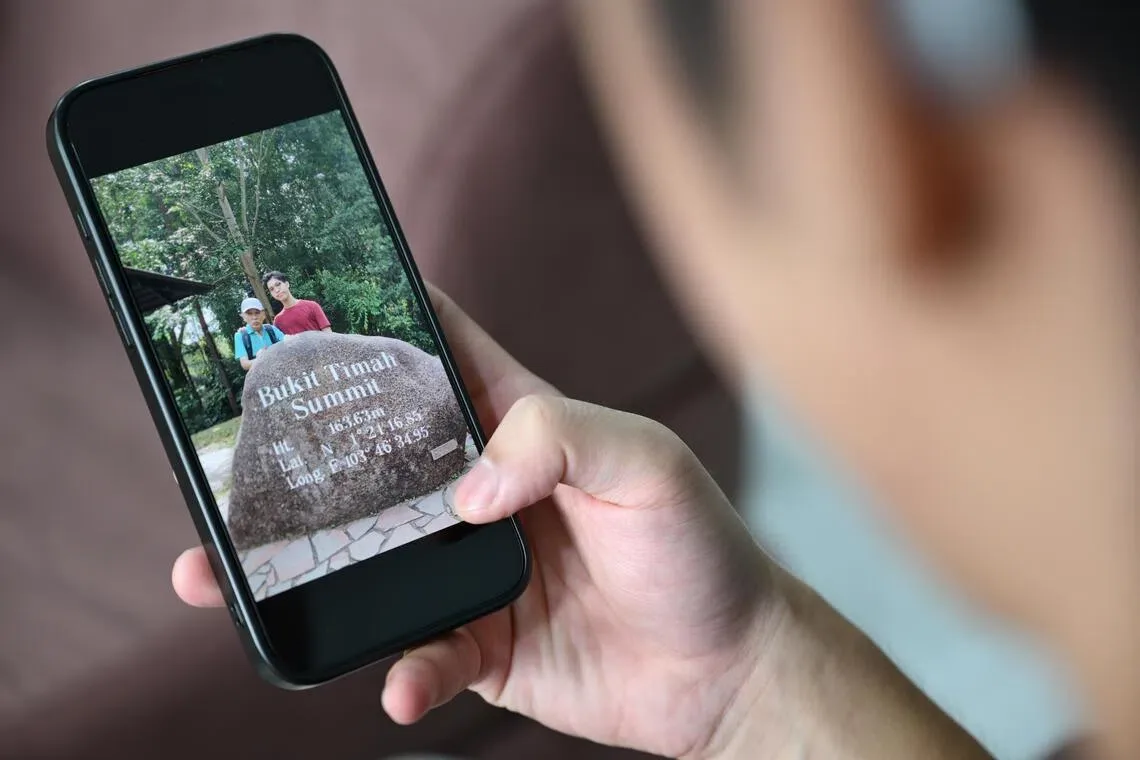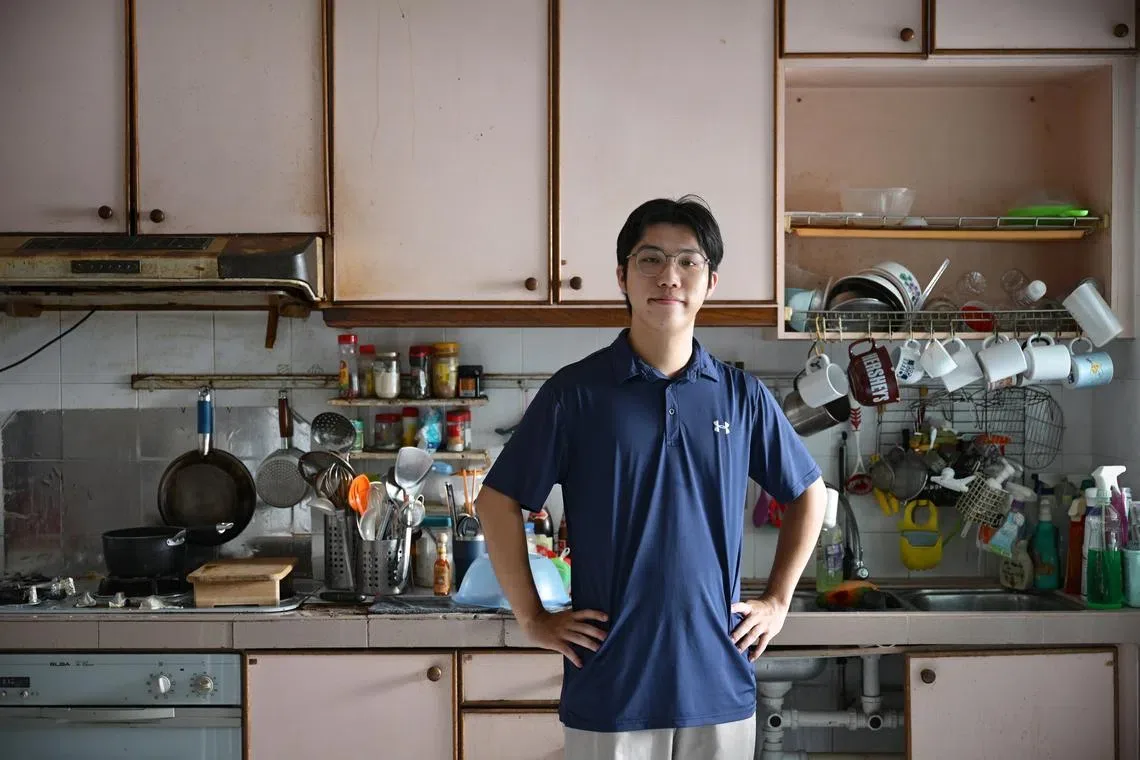
Samuel Chew, 26, a first-year Environmental Earth Systems Science student at Nanyang Technological University, paused his studies from January to April 2026 to care for his 60-year-old mother, who was diagnosed with a brain tumour earlier that year [1, 2, 3, 4]. Chew made the decision after his father died at age 64 in October 2025 due to a neurological disorder leading to dementia, a condition he had been caring for him throughout [1, 2, 3, 4].
Chew said, "One semester doesn’t mean that much compared to being there for my mom in her time of need. I can always go back to school again," emphasizing the personal sacrifice he made to support his family [1].
The challenges faced by young caregivers like Chew are both emotional and practical. Many must balance their careers, education, and family duties, often leading to difficult trade-offs [1, 2, 3, 4]. June Sim, head of TOUCH Caregivers Support Group, noted the psychological strain placed on caregivers new to these roles, saying, "The lack of confidence and preparedness can also affect caregivers psychologically and emotionally as some are thrust into their caregiving roles overnight." [1]
Social service organisations in Singapore expect the number of young caregivers to increase due to the country’s aging population and the trend of couples having children later in life. Abhimanyau Pal, chief executive of SPD, said, "With couples having children later and an aging population, more young adults may find themselves taking on caregiving roles earlier, particularly for aging parents." [1]
TOUCH Caregivers Support Group’s Care Line receives about 120 calls monthly, with roughly 10 percent coming from young caregivers seeking advice on caring for parents or children [1, 2, 3, 4]. The growing demand highlights the need for support systems tailored to younger adults managing caregiving responsibilities.
Samuel Chew was interviewed by The Straits Times in April 2026 about his caregiving experience and plans to resume his studies after his mother’s condition stabilizes [1, 2, 3, 4].