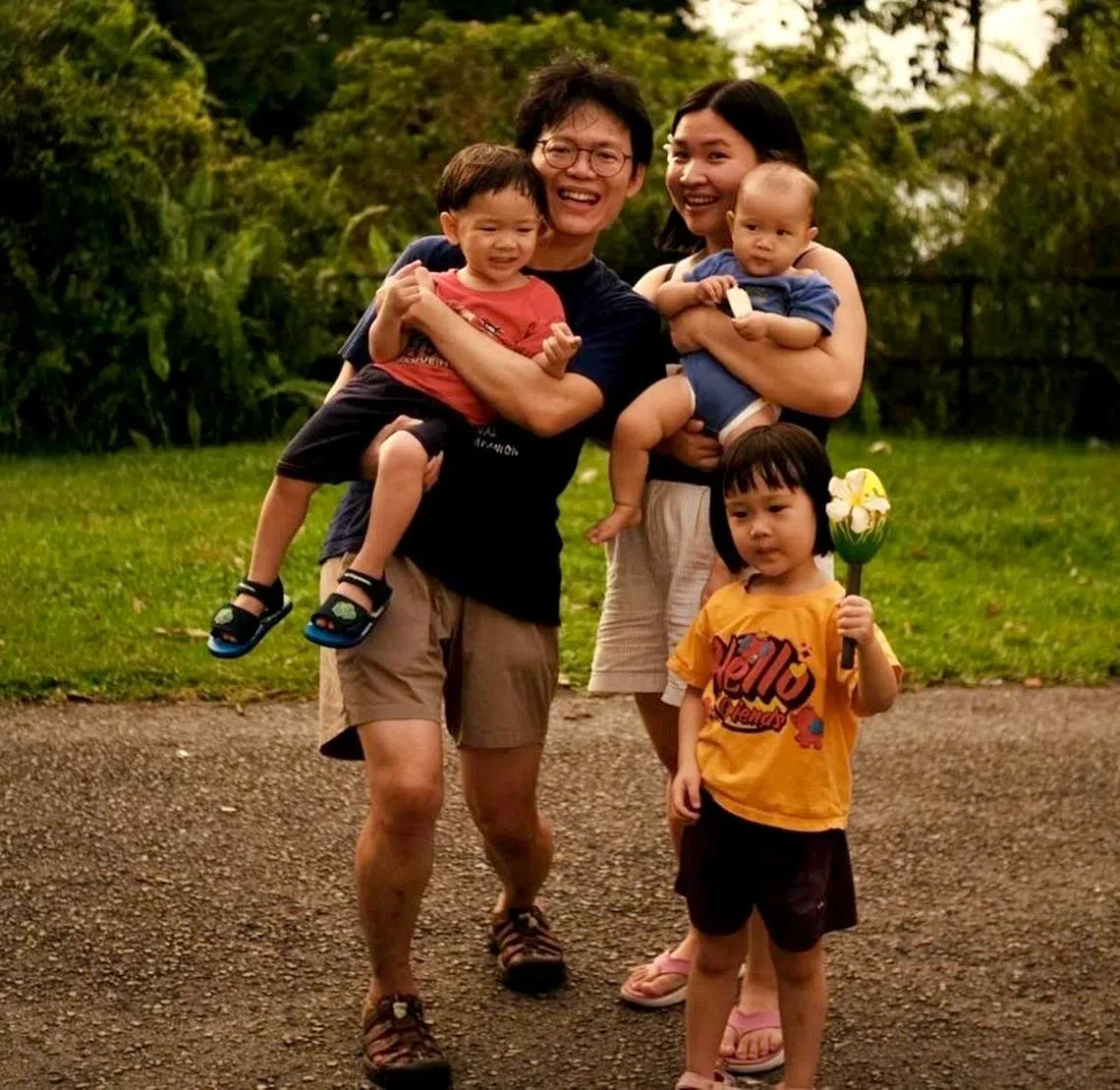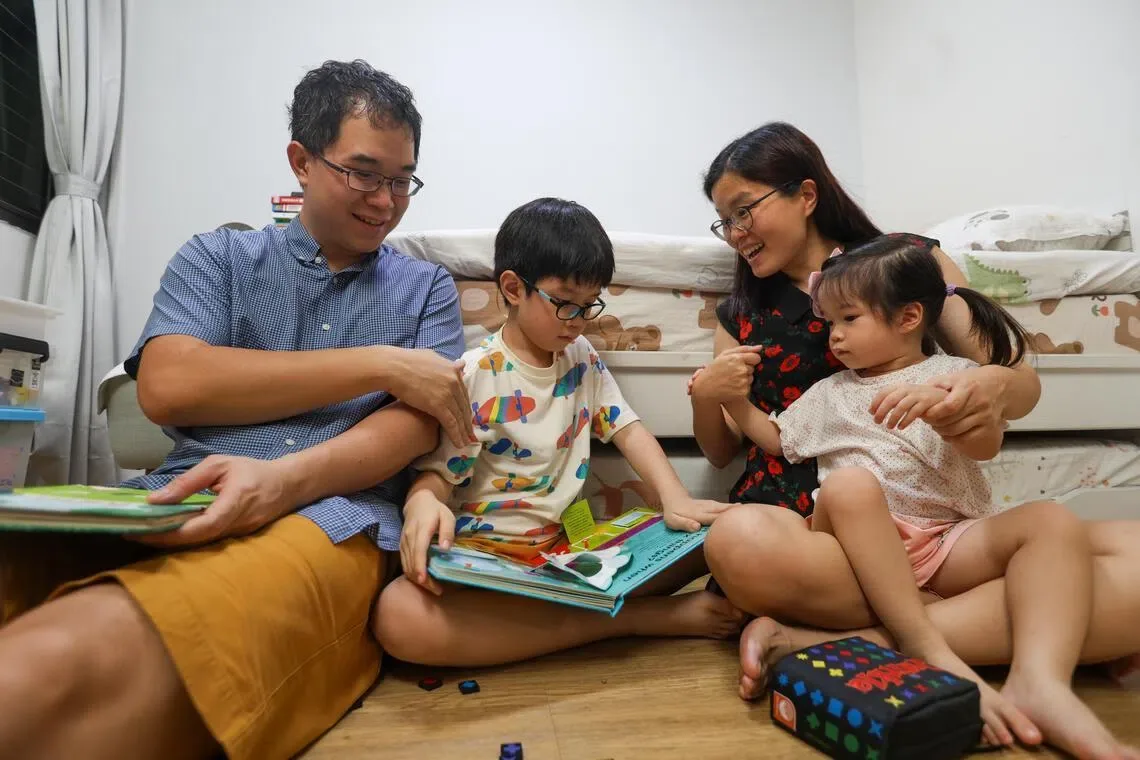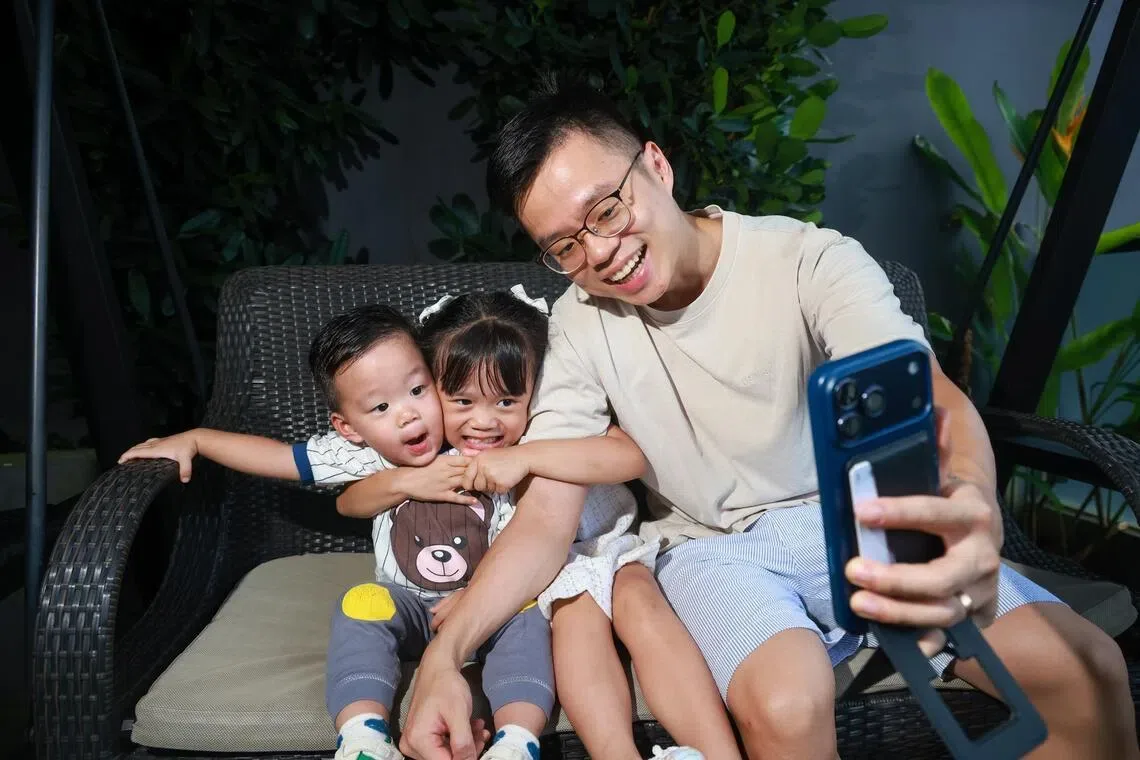
The number of stay-at-home fathers outside the labour force in Singapore increased from around 1,900 in 2022 to 3,000 in 2025, according to multiple sources [1, 2, 3, 4, 5]. By 2025, these fathers accounted for 7.4% of residents outside the labour force who provided childcare, up from 3.5% in 2022 [1, 2, 3, 4, 5].
This rise accompanies a drop in the number of stay-at-home mothers, which fell from about 51,600 in 2022 to 37,300 in 2025 [1, 2, 3, 4, 5]. Stay-at-home dads include men who leave full-time jobs as well as those combining caregiving with part-time, freelance, or flexible work and running home-based businesses [1, 2, 3, 4, 5].
Surveys conducted in 2024 and 2025 show a rise in fathers engaged in these alternative work arrangements from 14.5% to 16.4%, while the share of fathers not currently working grew from 4.8% to 5.4% [1, 2, 3, 4, 5]. Xander Ong, chief executive of the Centre for Fathering, said, "More fathers are opting for work arrangements that allow them to be more present for their families, including part-time, freelance, flexible, and home-based businesses" [1]. Dr Ong added, "What is common among these men is the desire to be present for their children in both the amount and quality of time" [1].
The increase in hands-on fatherhood partly reflects the normalization of flexible and hybrid work during the COVID-19 pandemic, which made it easier for fathers to balance caregiving and employment [1, 2, 3, 4, 5]. Despite the increase, mothers remain the primary caregivers in most families. Workplace norms currently offer less support for fathers taking larger caregiving roles, and more fundamental societal changes are needed to achieve greater caregiving equality [1, 2, 3, 4, 5].
A study published in June 2025 found that children whose fathers took at least two weeks of paternity leave showed fewer behavioral problems and better test scores [1, 2, 3, 4, 5]. This provides further evidence of benefits when fathers are more involved in early childcare.
The next key data point is expected from ongoing surveys and labour reports beyond 2025 to track whether these trends of increased paternal caregiving and flexible work arrangements continue to grow.