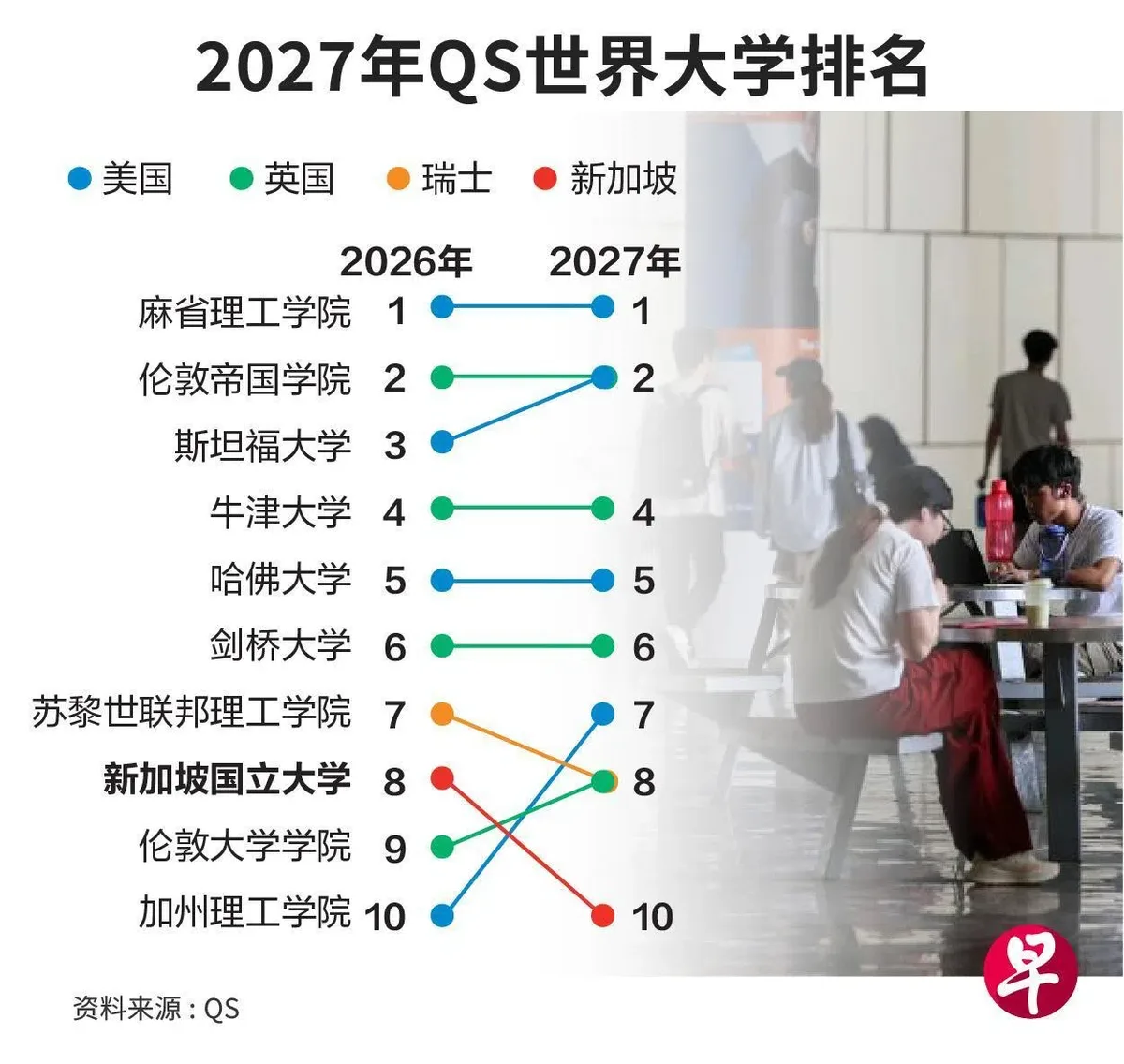
The QS World University Rankings 2026, released today, showed the National University of Singapore (NUS) falling two places to 10th globally but retaining its position as Asia's top university and the only Asian institution in the global top 10 [1, 2, 3, 4, 5]. Nanyang Technological University (NTU) maintained its 12th position for the second consecutive year [1, 2, 3, 4, 5].
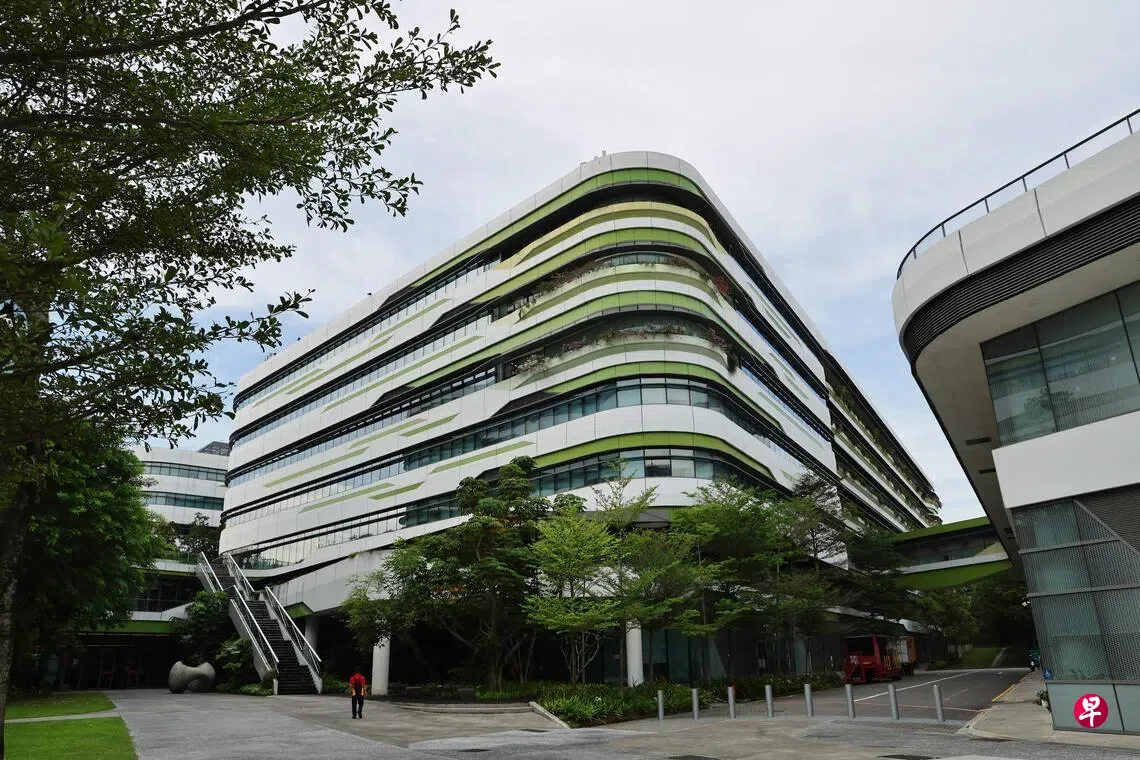
Singapore University of Technology and Design (SUTD) made the biggest gains, rising 253 places to 266th, the most improved university in this edition [1, 2, 3, 4, 5]. The surge coincides with SUTD's strategic transformation announced in January 2025 as the world's first "Design AI University" [2]. SUTD President Professor Fang Guoguang said the focus remains on nurturing students as "human-centred design innovators and leaders" and teaching them to collaborate with AI as team members to thrive in a rapidly changing world [2].
Singapore Management University (SMU) also climbed 100 spots to 411th, re-entering the top 500 for the first time since 2020 [1, 2, 3, 4, 5].
NUS's drop was mainly caused by a decline in citations per faculty, while SUTD's rise was driven by gains in citations and employer reputation [1, 2, 3, 4, 5]. NUS ranked 12th globally in academic reputation, 26th in employer reputation, and 9th in employment outcomes [2]. NTU stood at 36th in academic reputation and 48th in employer reputation [2]. All three Singapore universities — NUS, NTU, and SMU — were ranked in the global top 50 for international faculty ratio [2]. Employer reputation and international student ratios also improved significantly across Singaporean universities [2].
The QS rankings evaluated 1,500 universities from 106 countries and territories. The methodology weighs academic reputation (30%), citations per faculty (20%), and employer reputation (15%), along with faculty-student ratio, international faculty and student ratios, employment outcomes, and sustainability [1, 3, 4, 5].
Massachusetts Institute of Technology (MIT) topped the QS rankings for a 15th year in a row. Stanford University and Imperial College London shared second place, and University of Oxford and Harvard University ranked fourth and fifth, unchanged from last year [1, 2, 3, 4, 5].
A NUS spokesperson said, "As Asia's top university, NUS continues to set a global benchmark in teaching and research excellence. Our overall scores improved this year, reflecting our commitment to future-ready talent development, transformative research, and impactful collaborations" [2].
Ben Sowter, QS Senior Vice President, noted that higher education remains a key force for innovation and international collaboration. He added that new emerging education hubs could attract global talent as traditional destinations reassess student policies [2].
The QS World University Rankings have cemented the standing of Singapore's leading universities while spotlighting rapid improvement at SUTD and SMU. The next rankings update will be released in June 2027.