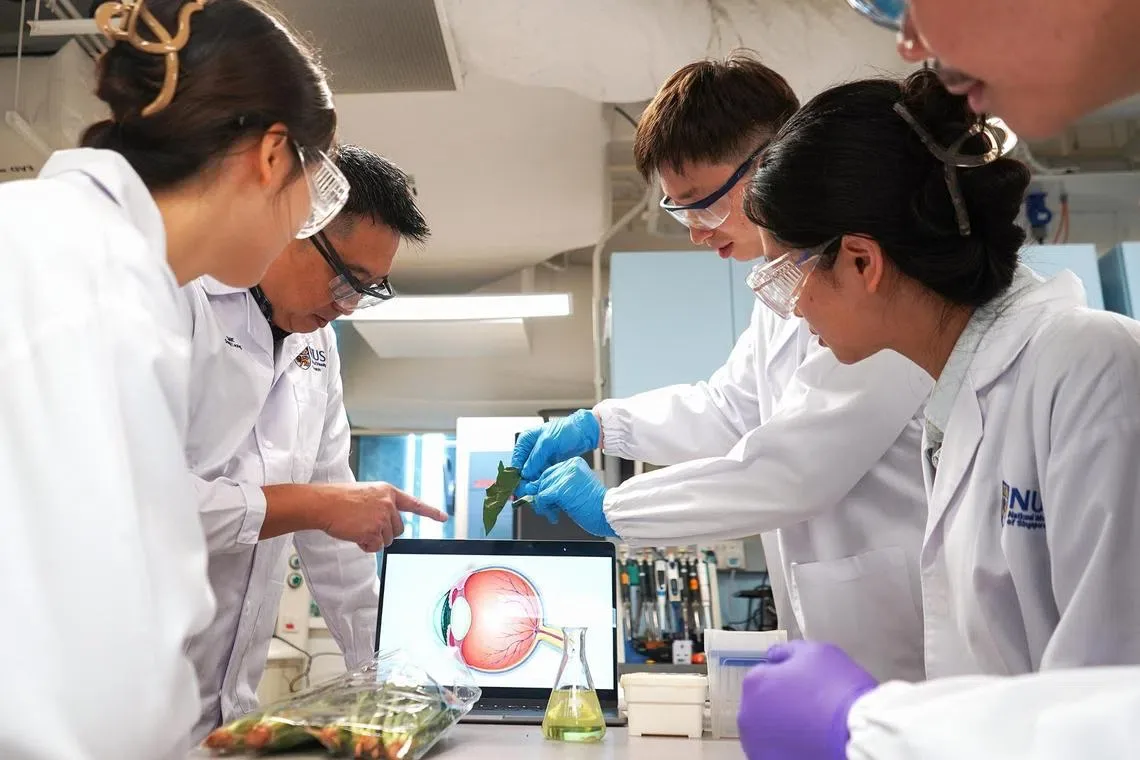
Researchers at the National University of Singapore (NUS) have created a novel treatment for dry eye disease using photosynthesis from plants [1, 2, 3]. Dry eye disease, which affects more than 1.5 billion people globally, results from inflammation that produces reactive oxygen species (ROS) damaging corneal cells [1, 2, 3].
Healthy eyes normally neutralize ROS with antioxidants generated by the molecule NADPH, but this defense becomes overwhelmed in dry eye disease [1, 2, 3]. Current treatments like cyclosporine A (Restasis) and lifitegrast (Xiidra) aim to reduce inflammation but face drawbacks including high costs and side effects [1, 2, 3].
To address this, NUS researchers engineered "LEAF" particles derived from spinach chloroplasts. These particles harness ambient light to generate NADPH directly in the eye, suppressing the harmful ROS [1, 2, 3]. Lab and animal tests showed that eye drops made with LEAF particles reversed corneal damage caused by the disease [1, 2, 3].
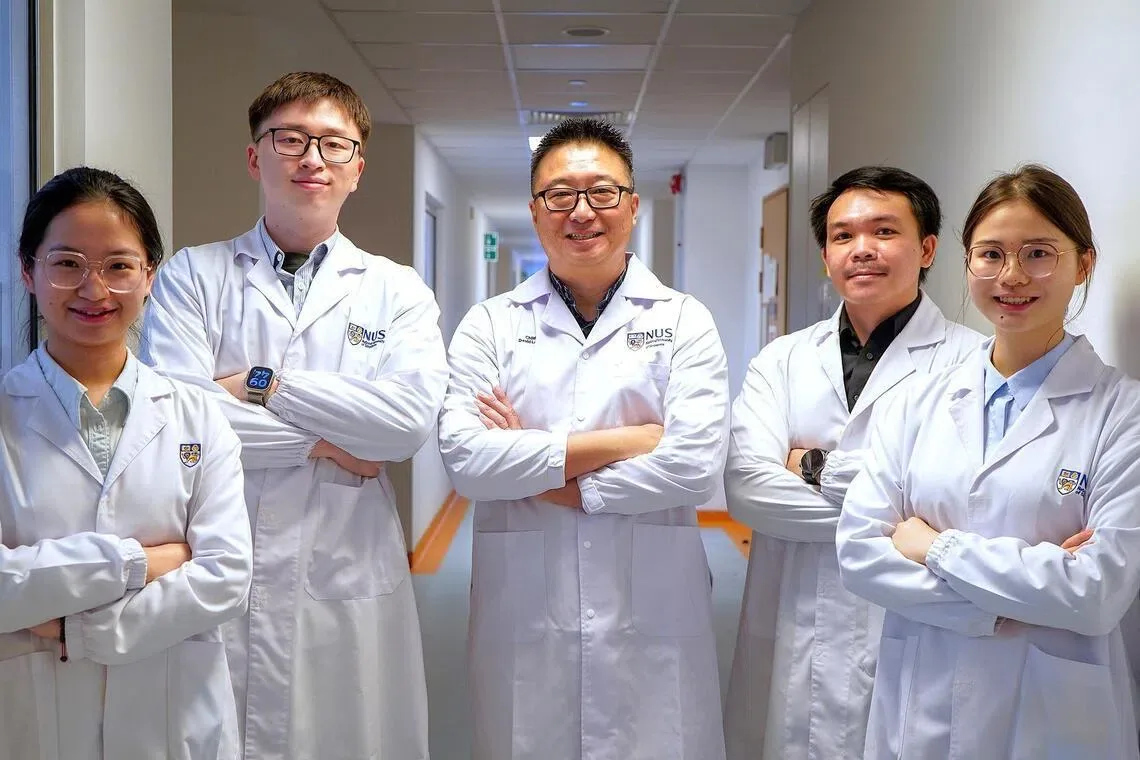
The research team is led by Associate Professor David Leong from NUS’ chemical and biomolecular engineering department [1, 2, 3]. Their approach draws inspiration from sacoglossan sea slugs, which naturally acquire chloroplasts from microalgae and survive using photosynthetic nutrients [1, 2, 3].
The LEAF eye drops represent an innovative strategy leveraging plant photosynthesis to restore antioxidant defenses in the eye. Further development and clinical trials are expected to follow to test efficacy and safety in humans.