The National Cancer Centre Singapore (NCCS) and Nanyang Polytechnic (NYP) have developed virtual reality (VR) simulations to help pediatric cancer patients ease anxiety and better prepare for treatments such as CT scans and radiotherapy [1, 2, 3].
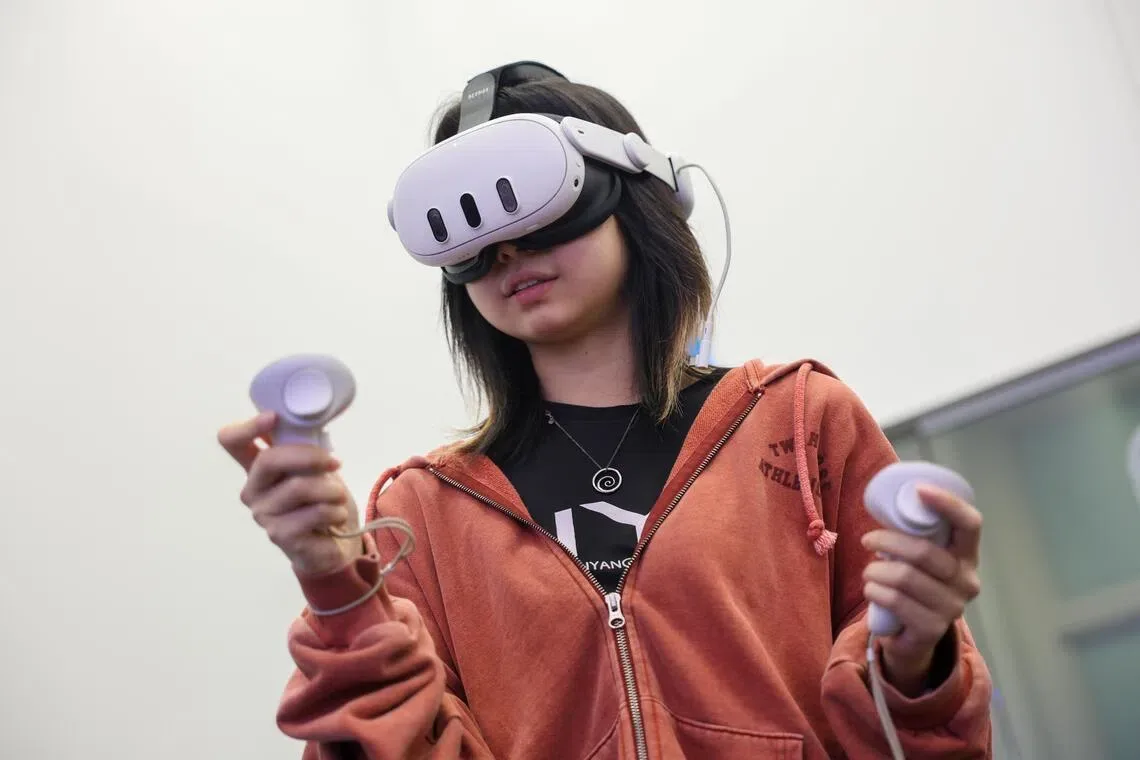
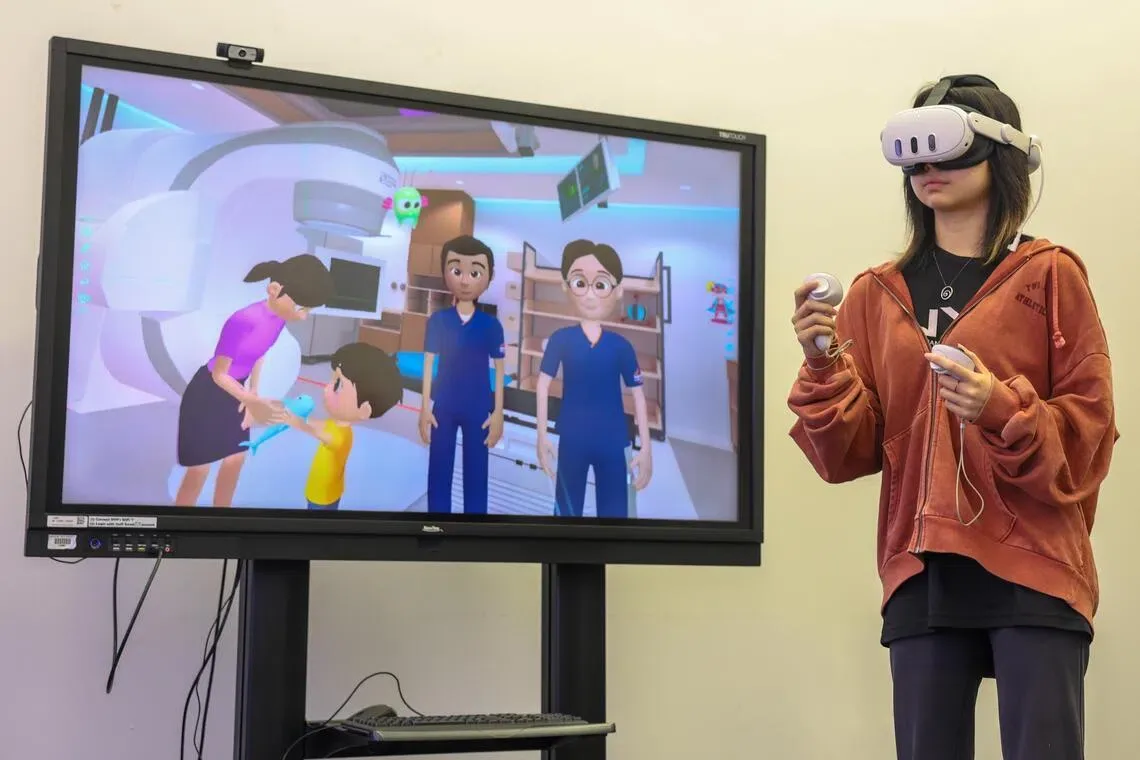
The VR program uses headsets to immerse children in virtual recreations of treatment rooms, engaging their sight and sound to familiarize them with machines and procedures before actual therapy sessions [1, 2, 3]. This approach aims to reduce the fear that can arise from unfamiliar environments and loud equipment.
In 2025, 16 NYP students created the first VR simulation of CT scanning rooms, which was piloted that year [1, 2, 3]. Subsequently, nine more students developed simulations that replicate proton and photon radiotherapy rooms, which began being used with patients in early 2026 [1, 2, 3].
So far, 17 pediatric patients, the youngest aged seven, have experienced the VR simulations to prepare for their cancer treatments [1, 2, 3]. Assistant Professor Eric Pang from NCCS explained, "The treatment rooms are large, the machine moves close to the patient, and patients are required to remain very still during treatment. For many young patients, unfamiliarity and limited understanding of the treatment process and environment can lead to fear and anxiety." [1]
Existing support for young patients includes counseling, play therapy, printed materials, and allied health professional help, but younger children often struggle to visualize what the treatment involves [1, 2, 3]. This difficulty sometimes results in the use of general anesthesia to keep children still during radiotherapy, which carries its own risks [1, 2, 3].
The VR simulations seek to reduce anxiety and reliance on anesthesia by making the treatment settings more familiar in advance [1, 2, 3]. NCCS plans to integrate the VR tools into routine pediatric practice, as well as use the technology to train staff and radiotherapy students [1, 2, 3].