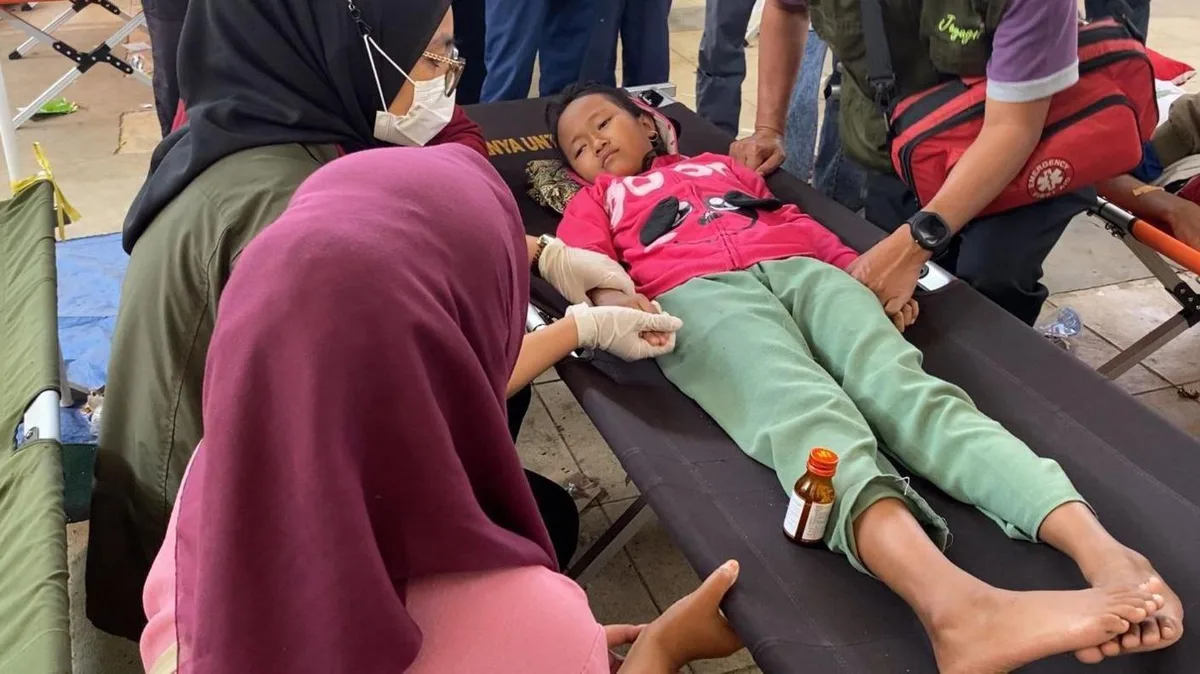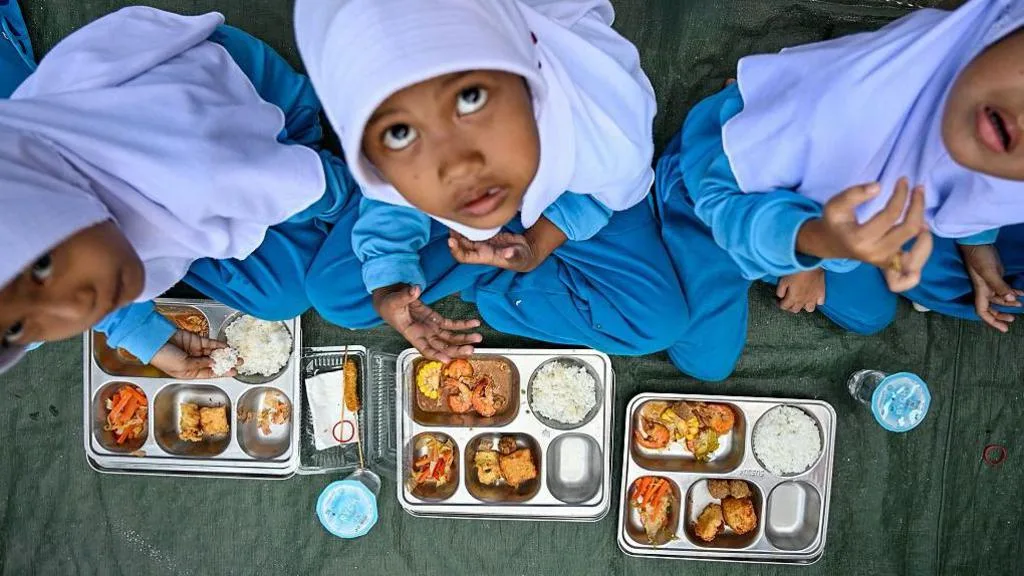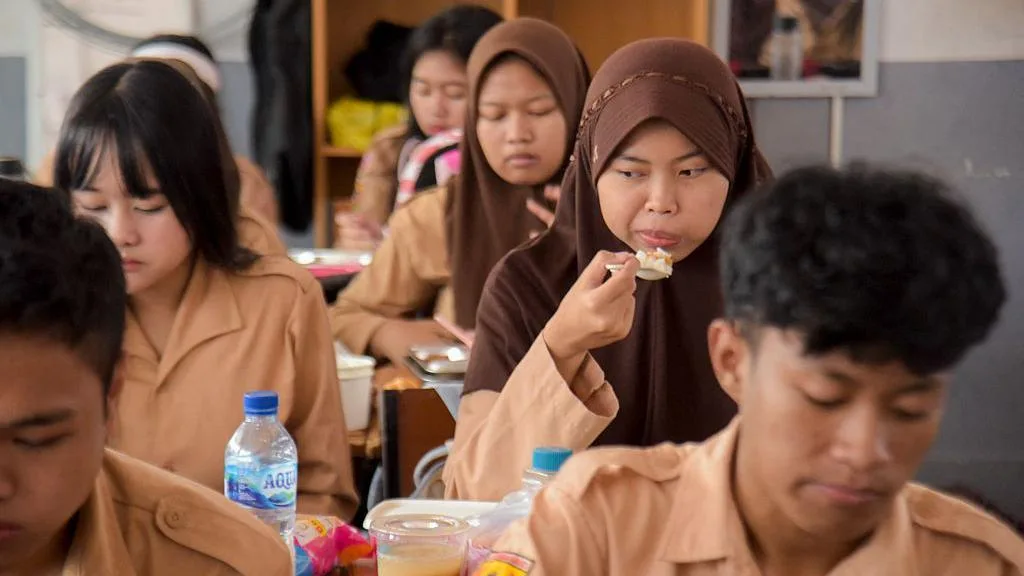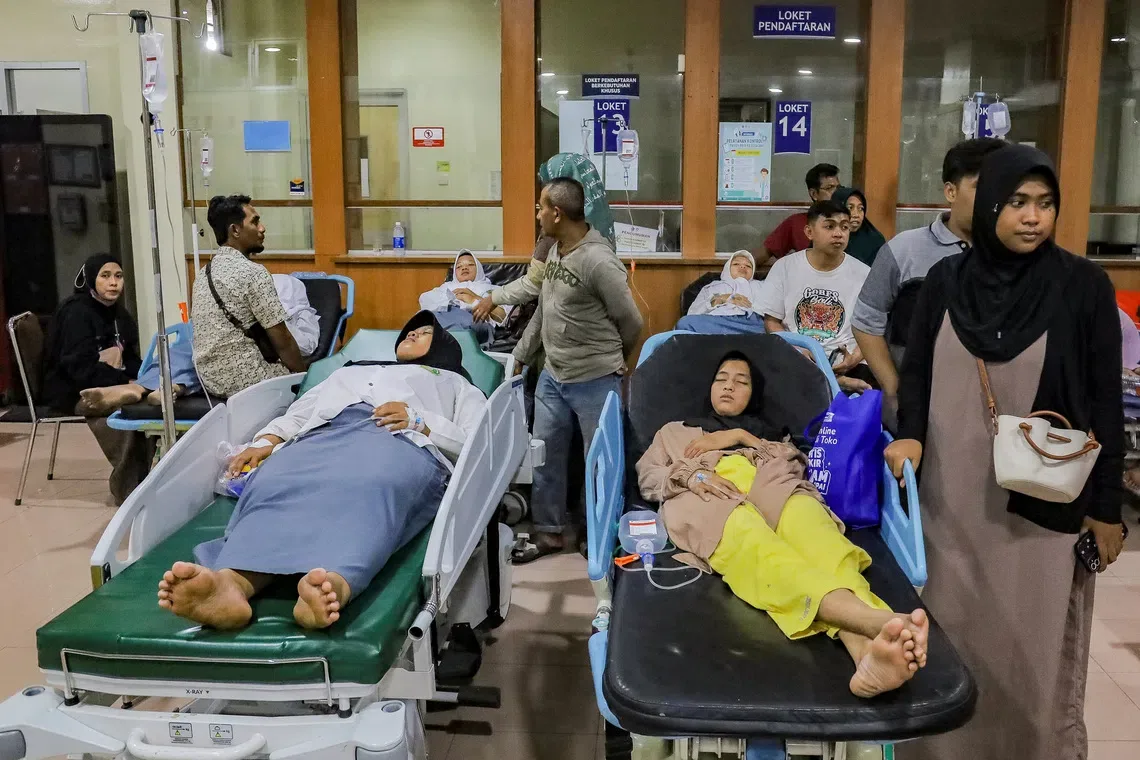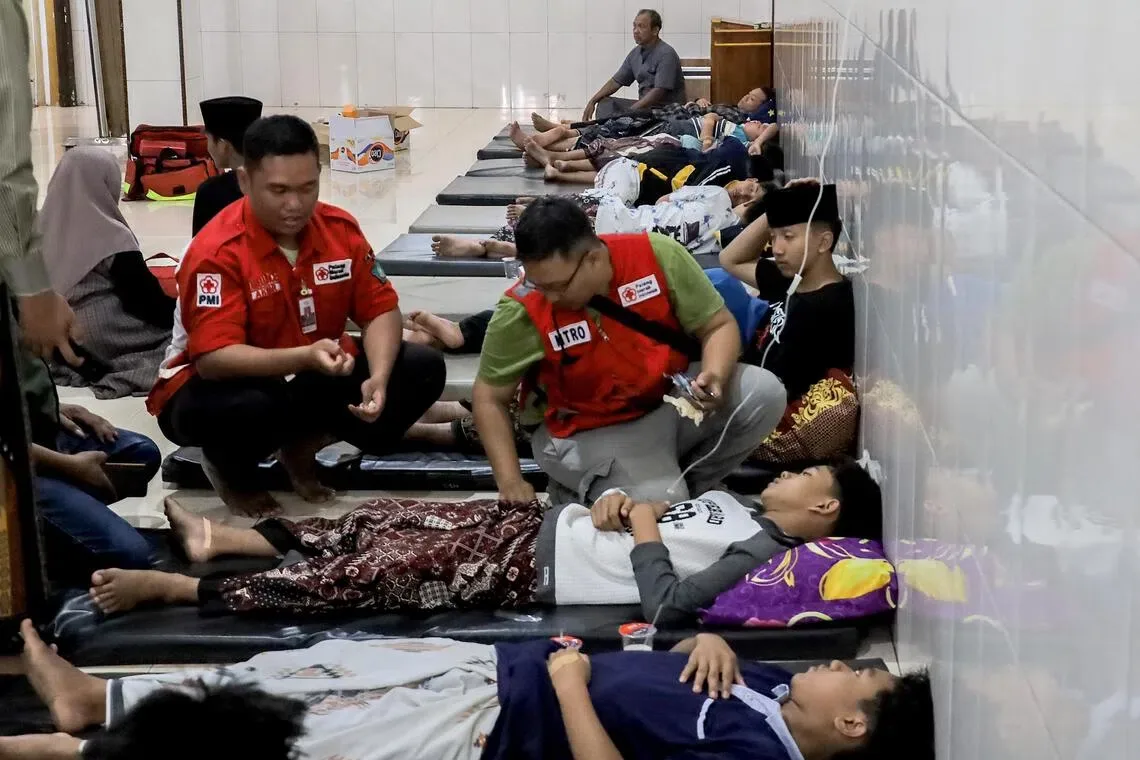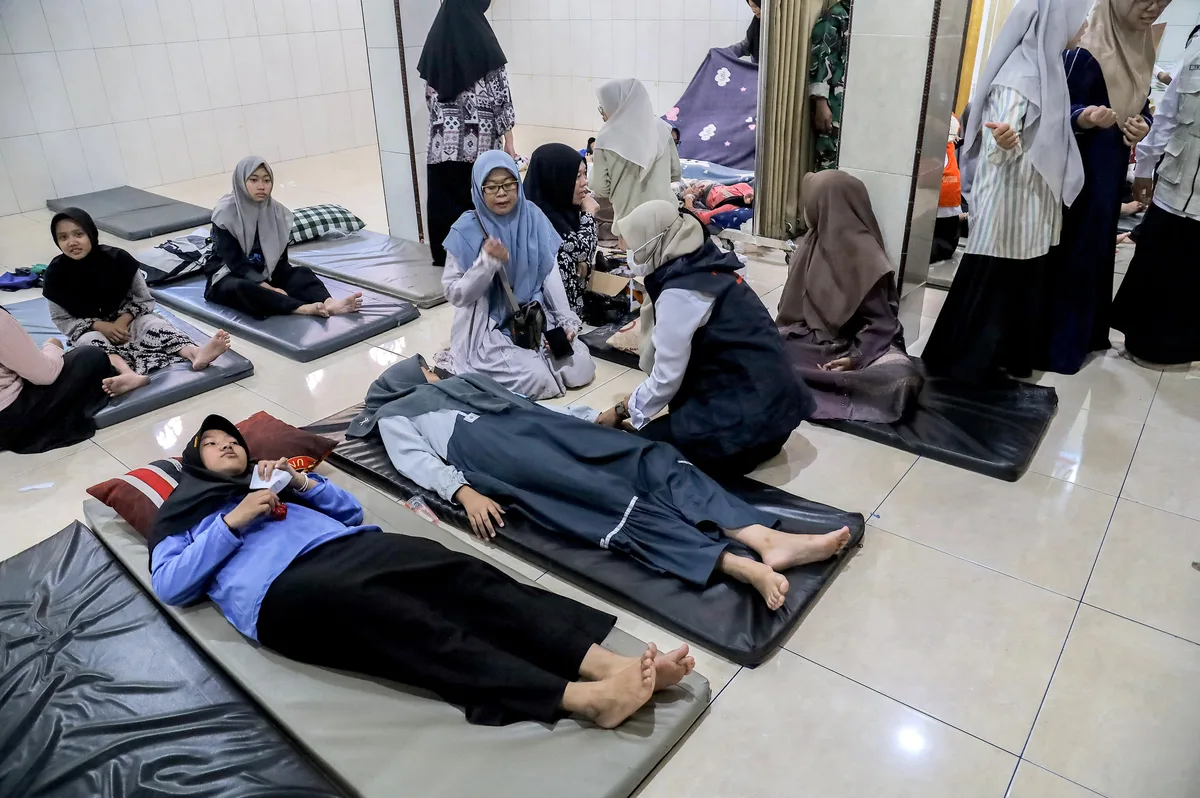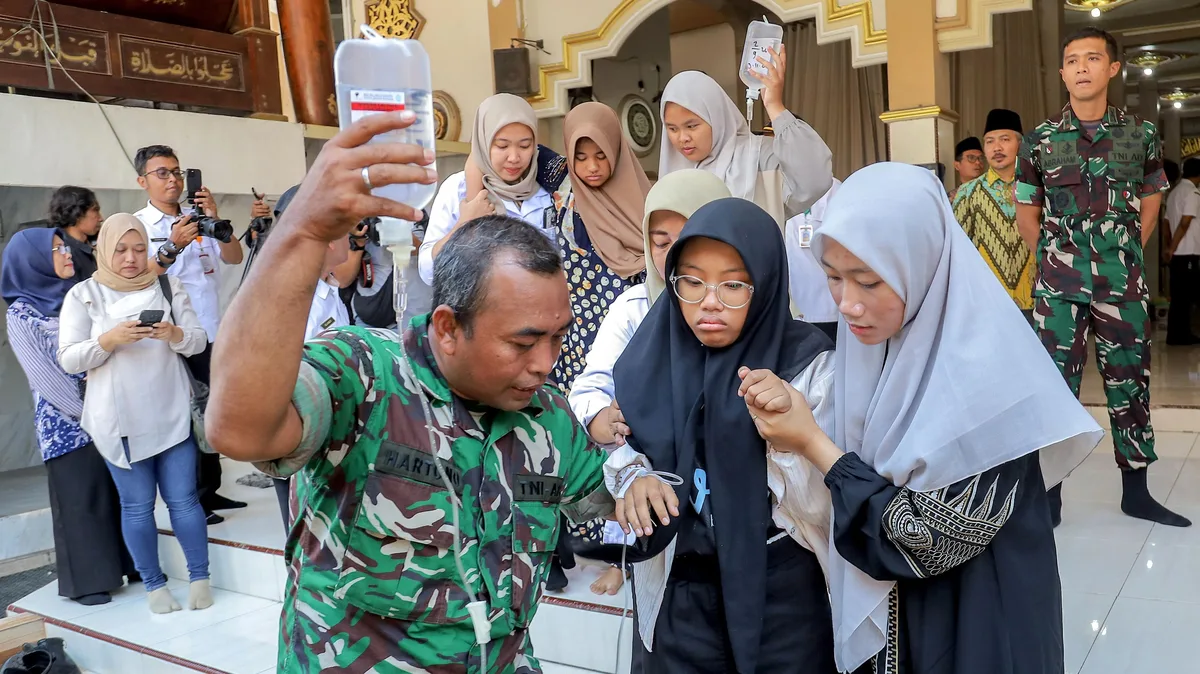
Approximately 2,000 students and teachers across Central Java, East Java, South Sulawesi, West Sumatra, and Nganjuk fell ill over three days after eating government-provided free school meals, officials said [1, 2, 3]. In Lasem, Central Java, 752 students and 25 teachers developed diarrhea and other symptoms on September 2 following a school lunch, with headteacher Juhartutik reporting severe toilet crowding due to the outbreak [1, 4, 5].
In East Java's Sidoarjo region, more than 500 students fell ill on September 1, and 516 were hospitalized but most have since been discharged [6, 7]. Around 170 students and teachers in Tana Toraja, South Sulawesi also became sick on September 3 [2, 8, 9].
The illnesses are suspected to be caused by improper food storage, poorly prepared dishes, and late meal deliveries, linked to the Makan Bergizi Gratis (MBG) free meal programme launched in 2025 by President Prabowo Subianto to combat child malnutrition [1, 6, 7, 2]. Some parents and teachers reported slimy chicken, partially undercooked food, and bad odors in the meals [1, 4].
The National Nutrition Agency has closed kitchens that violated hygiene standards and vowed to reform the programme [6, 2]. The agency postponed a press conference scheduled for today regarding the outbreaks [2]. Local authorities have collected food samples, and police investigations are underway into the source of the suspected poisonings [1, 7, 5].
The head of food distribution in Lasem, Achmad Sholeh Syarifudin, apologized and took full responsibility for the recovery of those affected [1]. Lawmaker Charles Honoris criticized the programme for failures in food storage and delivery, calling it a policy failure [5].
The National Human Rights Commission of Indonesia (Komnas HAM) called today for a police investigation and suspension of implicated kitchens, emphasizing that safe food access is a human right [2, 9]. Komnas HAM stated, "Rights to food, especially safe-to-consume food, are human rights. Without a rigorous sanitation standard... the nutrition intervention that the state is doing will lose its moral legitimacy" [2].
Health department data as of September 1 shows about 50,000 people nationwide have been affected by food poisoning linked to the programme [3]. A recent July survey found only one-third of Indonesians satisfied with the free-meal scheme, citing food safety concerns [6].
The government has committed to covering all medical costs for affected students [1]. The National Nutrition Agency also warned that individuals found criminally negligent will face consequences [2].
On September 4, Komnas HAM formally urged police to investigate the outbreaks and suspend kitchens implicated in the poisonings [2, 9]. The agency said it will press for reforms to ensure the programme meets sanitation and safety standards.