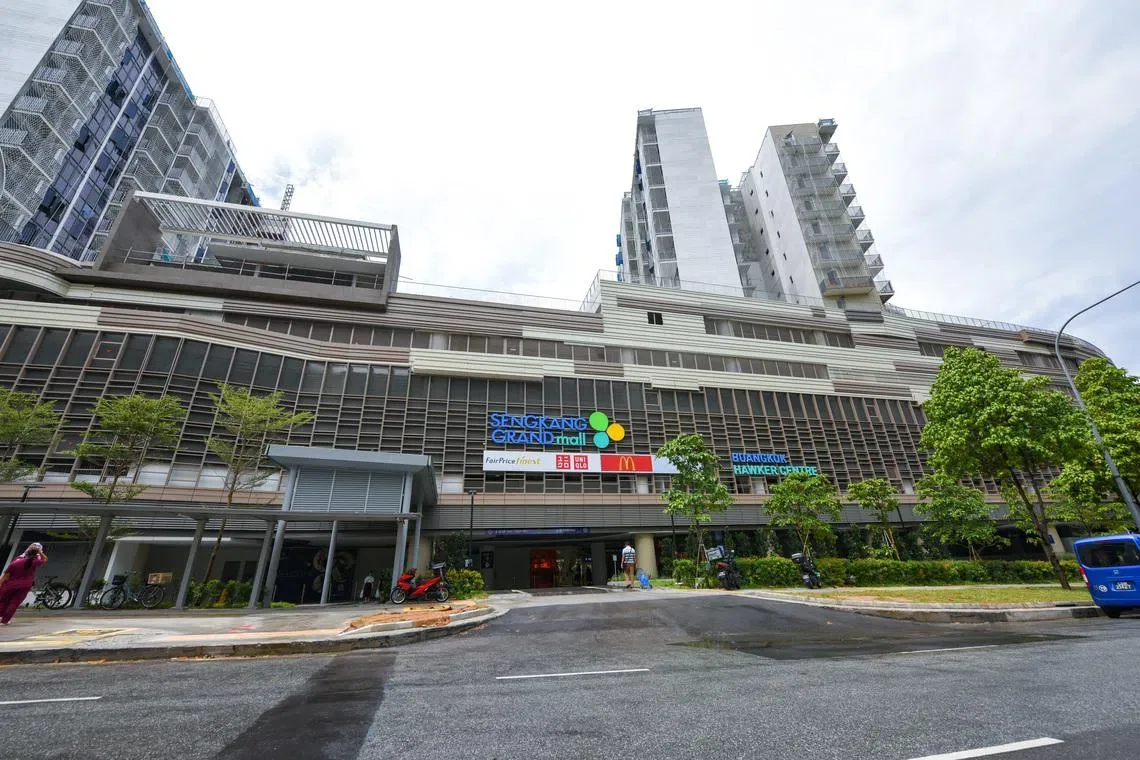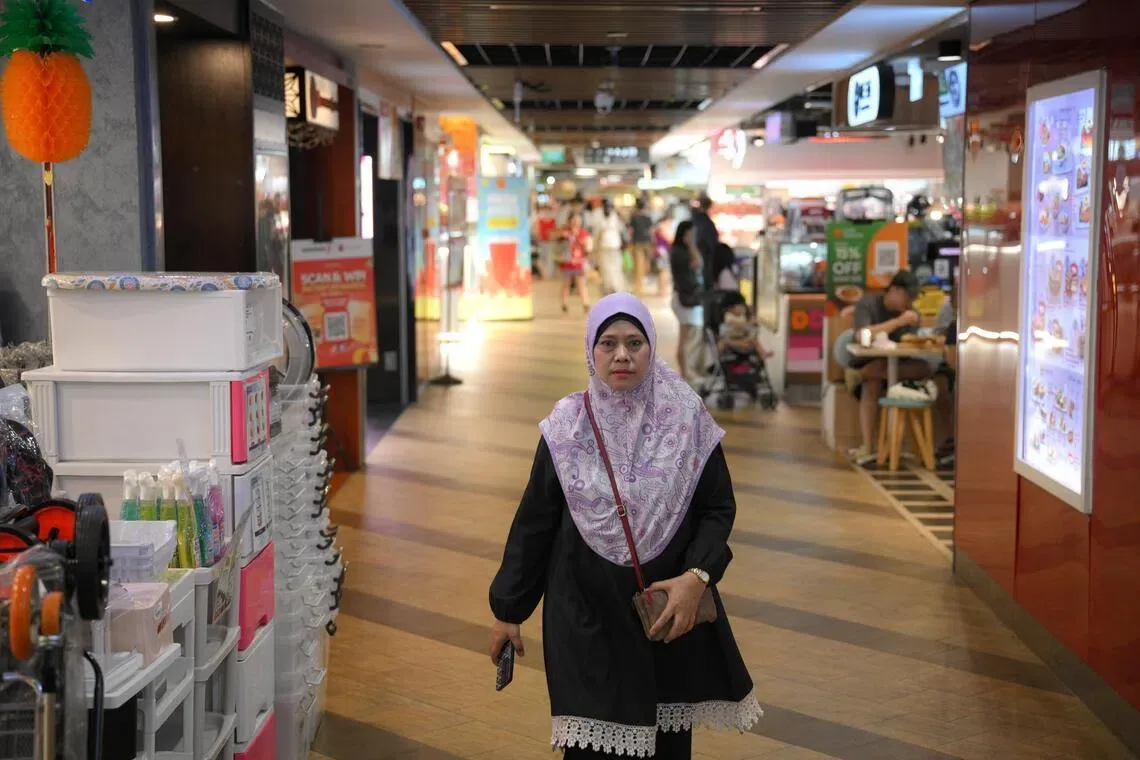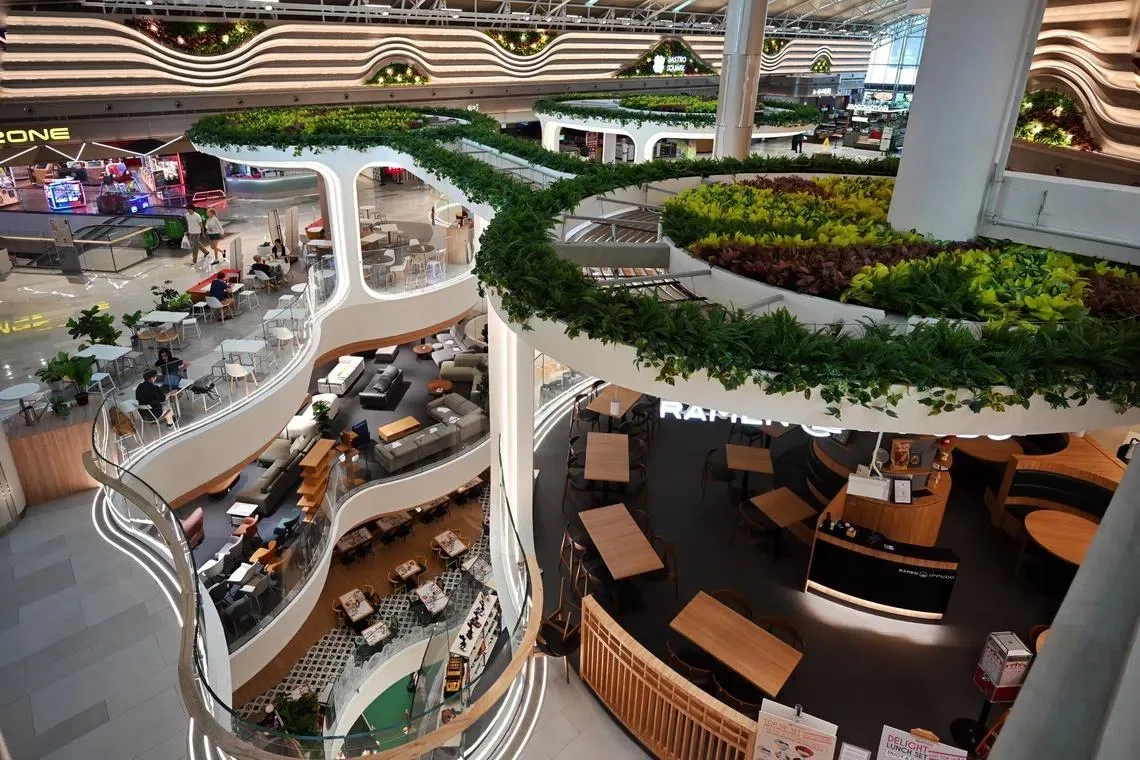
More than 60% of older adults in Singapore visit suburban malls at least once a week for dining and leisure activities, according to a joint study by Frasers Property Singapore and the SMU Centre for Research on Successful Ageing released in April 2026 [1, 2, 3]. The study found that daily routines, familiarity, and social connections motivate these visits more than discretionary spending.
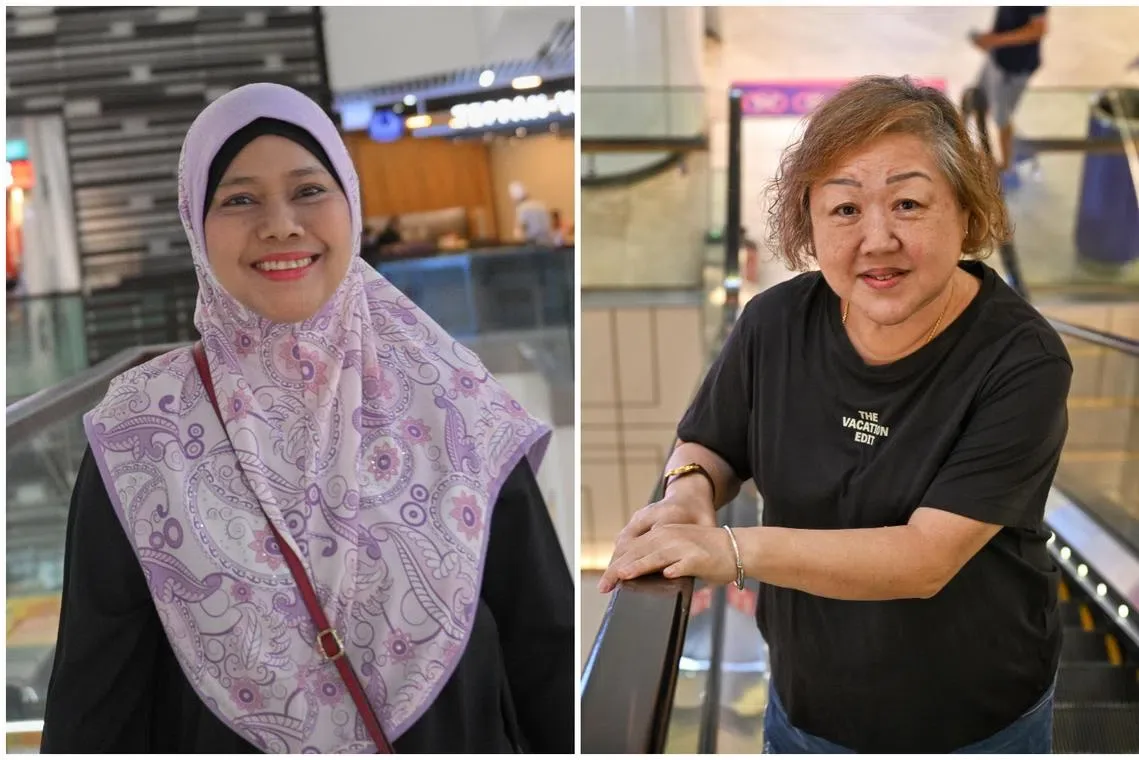
Over 77% of seniors cited dining out as a primary reason for visiting suburban malls, while more than half engage in leisure pursuits such as window shopping [1, 2, 3]. About 67% visit malls accompanied by friends or family, highlighting the importance of social interaction in these venues [1, 2, 3]. Lizah Salim, a senior, said, "The neighbourhood malls are better than those in town as things are not so costly. Transport is also quite expensive now, so I prefer to go malls nearby" [1].
Financially, about 57% of older adults spend up to SGD 100 per week at suburban malls, while close to 92% spend no more than SGD 200 weekly [1, 2, 3]. Easy access to public transport is a priority for 69% of respondents, and 41% value proximity to their homes. Tenant mix that meets daily needs motivates visits for about 40% of seniors, demonstrating the role of practical convenience in their shopping choices [1, 2, 3].
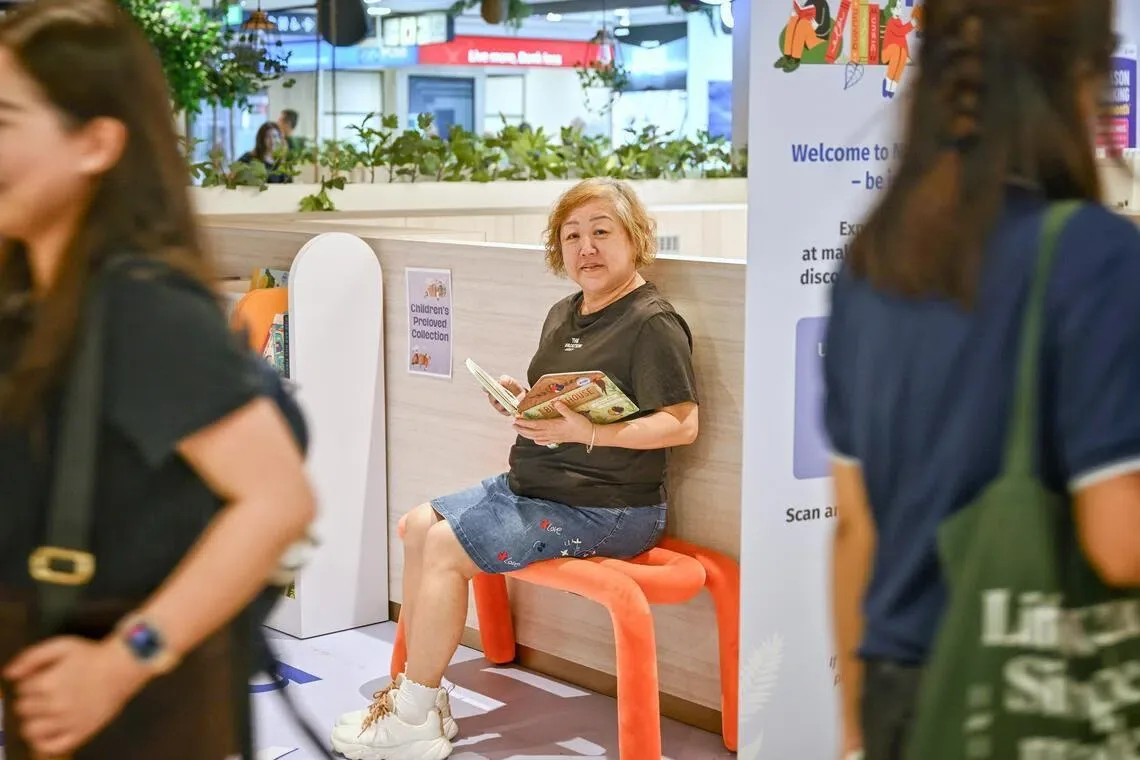
Senior-friendly amenities such as resting areas, community spaces, libraries, and clinics are among the most commonly used features in malls. Large suburban malls like Causeway Point and Northpoint City help maintain older adults’ routines and social bonds [1, 2, 3]. Malls are improving senior services with efforts like Frasers Property’s FRx50+ deals, enhanced accessibility, digital wayfinding, and social activities to support community life [1, 2, 3].
Singapore is projected to become a super-aged society in 2026, with at least 21% of the population aged 65 and above, making the role of suburban malls in senior wellbeing increasingly significant [1, 2, 3].